
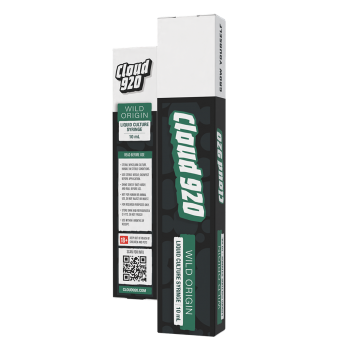
Cambodia Liquid Culture – Cloud920
€19,95
The Cambodia liquid culture is a Psilocybe cubensis isolate with one of the most precisely documented wild-collection stories in the hobby: ethnomycologist John Allen gathered original specimens near the ancient temple complex of Angkor Wat in Krong Siem Reap during fieldwork in the early…
About the Cambodia Liquid Culture
The Cambodia liquid culture is a Psilocybe cubensis isolate with a particularly well-documented geographic history. The original specimens are associated with ethnomycologist John Allen, who collected material near the Angkor Wat temple complex in the Siem Reap region of Cambodia during fieldwork in the early 1990s.
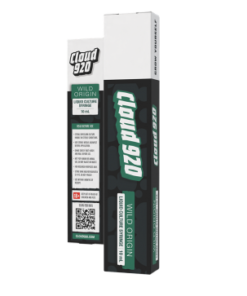
Cloud920 subsequently isolated the lineage under controlled laboratory conditions and places it within its Wild Origin collection. This series focuses on cultures connected to documented natural populations and their regional genetic heritage. Cambodia is part of the Cloud920 cubensis liquid culture range.
Origin and Natural Habitat of the Cambodia Strain
The history of the Cambodia isolate is closely associated with John Allen, widely known within mycological circles as “Mushroom John”. During his ethnomycological work in Southeast Asia in the early 1990s, Allen collected specimens in the vicinity of Angkor Wat in Cambodia’s Siem Reap province.
The area has a tropical monsoon climate, characterised by high temperatures, considerable humidity and a pronounced rainy season. These environmental conditions are associated with the natural occurrence of P. cubensis in suitable habitats throughout tropical and subtropical regions.
The landscape around Siem Reap includes agricultural and cattle-grazing areas, while the region’s characteristic lateritic soils provide part of the broader ecological setting in which the original collection was made.
Compared with cultures whose origins have become unclear over generations of distribution, Cambodia has a relatively distinct geographic provenance. The lineage was subsequently circulated within cultivation and mycological communities, becoming established as a recognised P. cubensis variety.
What Makes Cambodia Distinctive?
Cambodia is particularly noted within the mycological community for vigorous, rhizomorphic mycelial characteristics. Descriptions commonly refer to fine, branching growth patterns and rapid establishment under suitable laboratory conditions.
Mature specimens are generally described as having dome-shaped to convex caps, with colours ranging from caramel and tan to cinnamon shades. Caps are often reported at approximately 2–5 cm in diameter, although individual specimens can vary considerably.
The stems are typically substantial in relation to cap size and may display white to pale colouring, with blue bruising sometimes becoming visible following handling. Fruiting is commonly described as occurring in compact groups rather than exclusively as isolated specimens.
For a comparison with another Wild Origin culture associated with a very different geographic environment, see the PES Amazon liquid culture.
Cambodia Potency Profile
Published and community-reported potency figures for Cambodia should be interpreted carefully, as results can differ according to specimen, growing conditions, maturity and analytical methodology.
Some analytical datasets have reported measurable levels of psilocybin, psilocin and total tryptamines for Cambodia. However, these figures should not be treated as a guaranteed specification for every culture or specimen.
As with other P. cubensis material, chemical composition can vary between individual samples. Laboratory testing of the specific material is the most reliable way to establish its actual alkaloid profile.
What You Receive in Your Cloud920 Syringe
The Cloud920 Cambodia liquid culture is supplied as a 10 cc syringe containing Cambodia mycelium and a sterile needle.
Cloud920 states that its cultures are produced under controlled laboratory conditions, with quality-control procedures covering factors such as viability, sterility and morphology. The mycelium is suspended in a nutrient medium designed for laboratory and mycological research applications.
For suitable laboratory equipment and sterile research accessories, visit the laboratory supplies section.
Storage and Handling
Store the syringe according to the manufacturer’s instructions and the information provided on the product label. Keep it upright, protected from direct light and away from excessive heat or freezing conditions.
Always handle research cultures using appropriate laboratory hygiene and safety practices, and observe the applicable regulations in your jurisdiction.
Microscopy and Mycological Research Only
The Cambodia liquid culture is supplied strictly for microscopy and mycological research purposes.
Regulations concerning Psilocybe species and fungi capable of producing psilocybin differ significantly between countries and regions. Before purchasing, possessing or using this type of research material, check the legislation applicable to your location.
Frequently Asked Questions
Why is Cambodia part of the Wild Origin series?
Cloud920 uses the Wild Origin classification for cultures associated with documented natural collection events. Cambodia fits this category because its history is linked to a reported field collection near Angkor Wat by ethnomycologist John Allen during the 1990s.
This distinguishes it from varieties whose origins are primarily associated with prolonged domestication and selective cultivation without a clearly recorded natural collection site.
How does liquid culture differ from a spore syringe?
A spore syringe contains fungal spores, while a liquid culture contains established fungal mycelium suspended in a liquid medium. They therefore represent different forms of fungal research material and can be used for different microscopy and mycological research applications.
How should I store the Cloud920 Cambodia syringe?
Follow the storage conditions printed on the product packaging. In general, the syringe should be kept upright, protected from direct light and excessive temperatures, and used within the stated shelf life.
Why does the product state “for microscopy and mycological research”?
The legal status of psilocybin-producing fungi varies between jurisdictions, with cultivation or possession restricted or prohibited in some locations. The product is therefore supplied for microscopy and mycological research purposes only. Always verify the legislation applicable in your country before use.
Is the Cloud920 Cambodia culture laboratory verified?
Cloud920 states that its liquid cultures are produced in a controlled laboratory environment and subjected to quality-control checks relating to viability, sterility and morphology. Refer to the product documentation for the specific batch information and storage requirements.
Be the first to review “Cambodia Liquid Culture – Cloud920”
Related products
Liquid Culture Syringes
Liquid Culture Syringes
Liquid Culture Syringes
Liquid Culture Syringes
Liquid Culture Syringes
Functional Mushrooms
Liquid Culture Syringes
Psilocybe Zapotecorum ‘Popocatépetl Volcano’ Liquid Culture – Cloud920
Liquid Culture Syringes
Reviews
There are no reviews yet.