
Psychoactive Seeds (LSA, MAOI) — Ethnobotanical Seeds & Botanical Varieties
Welcome to the Psychoactive Seeds (LSA, MAOI) collection at Magic Mushrooms Shop, featuring a selection of ethnobotanical seeds and plant varieties associated with traditional botanical cultures and psychoactive plant research.
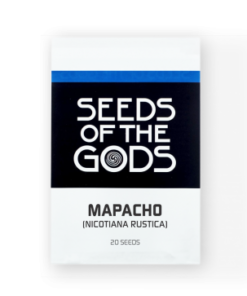
Our collection includes seeds such as Morning Glory, Hawaiian Baby Woodrose, Ololiuqui, Syrian Rue, Yopo, Kanna, Mapacho, Voacanga and selected cactus species, depending on availability. Each product page provides the botanical name, seed quantity, format and other relevant product information.
Whether you are interested in ethnobotany, botanical collecting, plant cultivation or the cultural history of psychoactive plants, you can browse individual products and compare species and seed formats in one place.
Ayahuasca Herbs
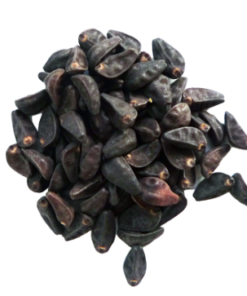
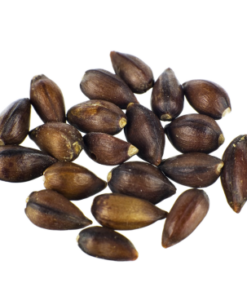
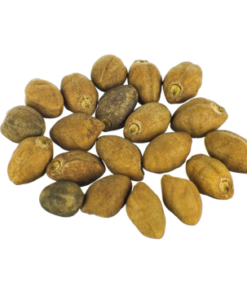
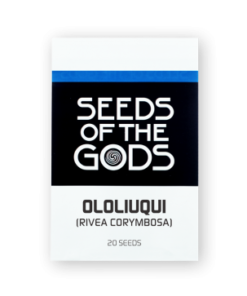
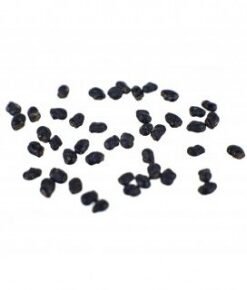
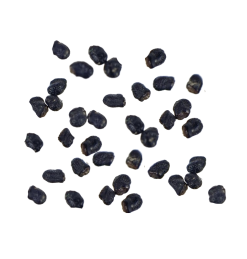
Explore Our Psychoactive Seeds Collection
Our Seeds category brings together botanical varieties from different regions, including species associated with LSA-containing seeds, MAOI-related ethnobotany, traditional tobacco cultures, African botanicals and psychoactive cactus traditions.
LSA-Associated Seeds
Some seeds are known in ethnobotanical literature for naturally occurring ergoline alkaloids, including LSA. The best-known examples include Morning Glory (Ipomoea violacea), Hawaiian Baby Woodrose (Argyreia nervosa) and Ololiuqui (Rivea corymbosa).
These plants have distinct botanical identities and geographical origins, so products should always be evaluated according to their exact species rather than their common name alone.
Morning Glory Seeds
Morning Glory (Ipomoea violacea) is a climbing plant belonging to the Convolvulaceae family. Its seeds are widely recognised within ethnobotanical literature and are also valued as an ornamental plant species. Our collection may include selected Morning Glory varieties and seed quantities depending on current availability.
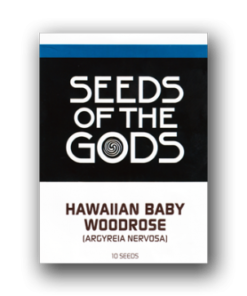
Hawaiian Baby Woodrose Seeds
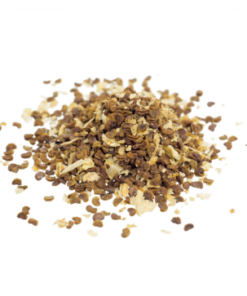
Hawaiian Baby Woodrose (Argyreia nervosa) is a perennial climbing plant native to parts of the Indian subcontinent and has become well known in ethnobotanical circles.
The plant produces distinctive large seeds. Product pages should be checked for the exact botanical identity, quantity and current availability.
Ololiuqui Seeds
Ololiuqui, commonly identified as Rivea corymbosa, is another member of the Convolvulaceae family with a documented history in traditional Mexican plant culture.
The seeds have attracted considerable ethnobotanical interest because of their historical cultural significance and naturally occurring alkaloid profile.
MAOI-Associated Botanicals
MAOI refers to monoamine oxidase inhibitors, a category of compounds that can inhibit monoamine oxidase enzymes. Certain plants contain naturally occurring alkaloids with MAO-inhibiting properties.
Syrian Rue (Peganum harmala) is one of the best-known botanicals discussed in this context. It has a long history of traditional use across regions of North Africa, the Middle East and Central Asia.
Because MAO inhibition can affect interactions with medicines and other substances, these botanicals require particular caution. They should not be treated as interchangeable with ordinary culinary or garden seeds.
Syrian Rue Seeds
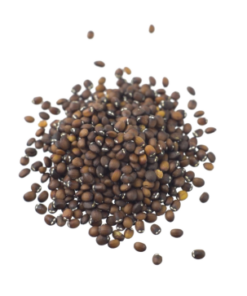
Peganum harmala, commonly called Syrian Rue or Harmal, is a perennial plant associated with dry regions extending from the Mediterranean and North Africa through the Middle East and Central Asia.
Its seeds have a long history in traditional botanical practices and are commonly encountered in ethnobotanical collections. Always check the individual product page for the exact format, quantity and product classification.
Other Ethnobotanical Seeds
The collection may also include botanical seeds that are not specifically classified as LSA or MAOI products but have cultural, historical or ethnobotanical significance.
Yopo Seeds — Anadenanthera peregrina
Yopo, or Anadenanthera peregrina, is a South American tree associated with traditional plant practices in parts of the region. Its seeds have attracted interest from ethnobotanists and researchers studying traditional South American botanical cultures.
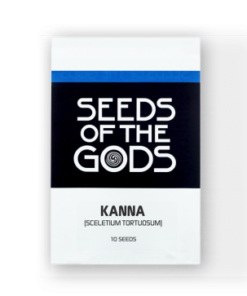
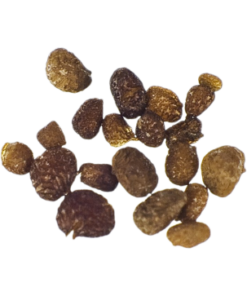
Kanna Seeds — Sceletium tortuosum
Kanna (Sceletium tortuosum) is a succulent plant native to South Africa. It has a documented history within traditional Southern African plant culture and is now familiar in international ethnobotanical collections.
Mapacho Seeds — Nicotiana rustica
Mapacho (Nicotiana rustica) is a tobacco species with a long history of traditional use in parts of South America. Compared with common cultivated tobacco, Nicotiana rustica is a distinct botanical species.
Voacanga Seeds — Voacanga africana
Voacanga africana is a tropical African tree whose seeds have been discussed extensively in ethnobotanical and phytochemical literature.
African Dream Seed — Entada rheedii
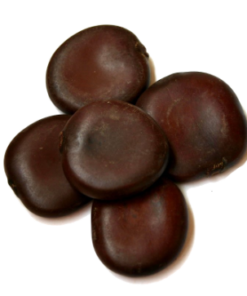
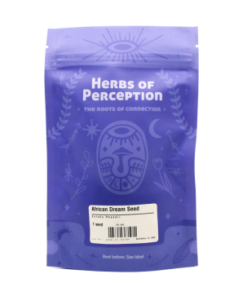
Entada rheedii, often called African Dream Seed, is a large tropical vine found in parts of Africa and Asia. Its seeds have a distinctive appearance and cultural history within African ethnobotany.
Psychoactive Seeds by Botanical Type
When comparing seeds, it is useful to group them according to their botanical characteristics rather than simply by their perceived effects.
Morning Glory Family
Plants such as Morning Glory, Hawaiian Baby Woodrose and Ololiuqui belong to the Convolvulaceae family. Although they share botanical relationships, they are separate species with different physical characteristics, geographical origins and chemical profiles.
MAOI-Associated Plants
Syrian Rue is a commonly discussed example of a plant containing beta-carboline alkaloids associated with MAO inhibition. Its chemistry makes it fundamentally different from ordinary ornamental or culinary seeds.
Tobacco Species
Mapacho and common tobacco (Nicotiana tabacum) belong to the Nicotiana genus. These plants have extensive cultural histories, particularly in Indigenous traditions of the Americas.
South American Ethnobotanicals
Species such as Yopo and Voacanga represent botanical traditions from South America and Africa respectively, illustrating the wide geographical range of plants found in ethnobotanical collections.
Cactus Seeds
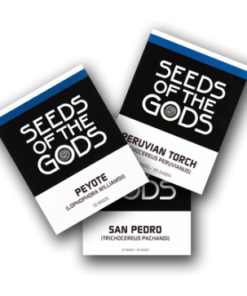
Our broader Seeds category may also include cactus species such as San Pedro, Peruvian Torch and Peyote. These plants have significant botanical and cultural histories, but their legal status and cultivation rules can vary considerably by country.
Why Botanical Names Matter
Common names can be confusing because the same name may refer to different plants in different countries. For this reason, we recommend checking the Latin botanical name before purchasing.
| Common Name | Botanical Name |
|---|---|
| Morning Glory | Ipomoea violacea |
| Hawaiian Baby Woodrose | Argyreia nervosa |
| Ololiuqui | Rivea corymbosa |
| Syrian Rue | Peganum harmala |
| Yopo | Anadenanthera peregrina |
| Kanna | Sceletium tortuosum |
| Mapacho | Nicotiana rustica |
| Voacanga | Voacanga africana |
| African Dream Seed | Entada rheedii |
| San Pedro | Echinopsis pachanoi |
| Peruvian Torch | Echinopsis peruviana |
| Peyote | Lophophora williamsii |
Checking the Latin name is particularly important when ordering seeds internationally because common names may not provide sufficient botanical precision.
Seeds for Botanical Collectors & Cultivation
Seeds can be an interesting way to explore plant biodiversity and learn about unusual species from around the world.
Depending on the species, cultivation requirements can vary significantly. Factors such as temperature, humidity, light, soil composition, drainage and germination conditions can all influence successful cultivation.
Before purchasing seeds for cultivation, research the species carefully and confirm that cultivation is permitted in your jurisdiction.
Some plants may also be subject to restrictions even when their seeds are not explicitly listed as controlled substances. National legislation can differ substantially, so availability through a shop should never be interpreted as a guarantee of legal cultivation or use.
What Are LSA Seeds?
The term LSA seeds is commonly used in reference to seeds from certain Convolvulaceae plants that naturally contain ergoline alkaloids, including lysergic acid amide (LSA).
Morning Glory, Hawaiian Baby Woodrose and Ololiuqui are among the plants commonly discussed in this context.
The chemical composition of seeds can vary according to species, genetics, growing conditions, storage and other factors. For this reason, botanical identity is more reliable than assuming that all seeds marketed under an LSA-related name have identical properties.
What Are MAOI Seeds?
The term MAOI seeds generally refers to seeds containing naturally occurring compounds capable of inhibiting monoamine oxidase.
Syrian Rue (Peganum harmala) is a well-known example in ethnobotanical literature.
MAO inhibition is pharmacologically significant because monoamine oxidase is involved in the metabolism of various naturally occurring neurotransmitters and other compounds. Consequently, MAOI-containing botanicals can have important interactions with medications and other substances.
They should therefore be approached with considerably more caution than ordinary ornamental seeds.
Traditional & Cultural Heritage
Many plants in this category have long histories of human interaction.
Morning Glory and related plants have documented cultural histories in Mesoamerica. Tobacco species have played important ceremonial and social roles among Indigenous peoples of the Americas. Syrian Rue has traditional associations across regions of the Old World, while Yopo and other South American botanicals have their own distinct histories.
Understanding these traditions requires recognising that plant use differs between cultures, communities and historical periods.
Traditional use should not automatically be interpreted as evidence of medical effectiveness or safety.
Product Formats & Quantities
Our Seeds collection may include products in different quantities and presentations.
Individual Seed Packs
Individual seed packs are suited to customers interested in exploring a particular botanical species. Product pages specify the number of seeds or net weight supplied.
Botanical Seed Bundles
Selected products may combine multiple species in one collection, such as cactus seed bundles. Always check the exact species included before ordering.
Rare & Unusual Seeds
Some ethnobotanical plants are less commonly encountered than conventional garden seeds. These products can be particularly interesting for collectors and people researching global plant diversity.
Choosing the Right Seeds
Before purchasing a product, consider:
- Botanical identity — Verify the Latin species name.
- Seed quantity — Check whether the product is sold by weight or number of seeds.
- Plant origin — Review available geographical information.
- Cultivation requirements — Research germination and growing conditions.
- Product classification — Understand whether the item is sold as seeds, botanical material or another category.
- Intended purpose — Consider whether the seeds are intended for collecting, botanical study or lawful cultivation.
- Local regulations — Confirm that possession, importation and cultivation are permitted where you live.
This information is especially important when purchasing unusual or psychoactive-associated plant species.
Quality & Product Information
We aim to provide clear product details to make comparison easier. Depending on the individual seed product, information may include:
- Common name
- Latin botanical name
- Plant family
- Seed quantity
- Net weight
- Country or region of origin
- Species information
- Cultivation information where appropriate
- Storage recommendations
- Supplier information
- Current availability
Always review the complete product description before ordering.
Legal Considerations for Psychoactive Seeds
The legal status of psychoactive plants and their seeds varies between countries and can also depend on the specific plant, constituent compounds, preparation and intended use.
European drug policy is not completely uniform. The EUDA maintains information on national drug laws and notes that countries can adopt different approaches to psychoactive substances and plants.
For example, the EUDA's Salvia divinorum profile illustrates how national controls can differ substantially: some European countries control the plant or its active constituent while others regulate it under different legal frameworks.
Therefore, do not assume that a seed is legal simply because it is available online or permitted in another country.
Before ordering internationally, check:
- Whether the species is permitted in your country.
- Whether its seeds are subject to specific restrictions.
- Whether importation is permitted.
- Whether cultivation is permitted.
- Whether any constituent compounds are controlled.
- Whether additional customs or plant-health requirements apply.
The EUDA provides resources covering drug-related laws and national approaches across Europe.
Responsible Botanical Information
The products in this category are presented primarily from a botanical, ethnobotanical and educational perspective.
Psychoactive plants can contain biologically active compounds, and their effects and risks can vary considerably. Natural origin does not automatically mean that a plant is harmless.
In particular, botanicals associated with MAO inhibition may interact with medicines and other substances. Anyone considering such products should research the specific species carefully and seek advice from an appropriately qualified healthcare professional where necessary.
Do not assume that historical or traditional use establishes modern medical effectiveness.
Keep seeds and botanical products away from children and store them according to the individual product instructions.
Psychoactive Seeds FAQ
What are psychoactive seeds?
Psychoactive seeds are seeds from plant species containing naturally occurring compounds that can affect the central nervous system or have a documented psychoactive history. The term covers many different botanical species and should not be treated as a single product category chemically.
What are LSA seeds?
LSA seeds generally refers to seeds from plants such as Morning Glory, Hawaiian Baby Woodrose and Ololiuqui that naturally contain ergoline alkaloids including LSA.
Which seeds contain LSA?
Plants commonly discussed in relation to LSA include Ipomoea violacea, Argyreia nervosa and Rivea corymbosa. Exact alkaloid concentrations can vary and should not be assumed from the common name alone.
What are MAOI seeds?
MAOI seeds are seeds containing compounds associated with inhibition of monoamine oxidase. Syrian Rue (Peganum harmala) is one of the best-known examples.
What is Syrian Rue?
Syrian Rue is the common name for Peganum harmala, a plant native to parts of North Africa, the Middle East and Central Asia. Its seeds have a long history of traditional use and ethnobotanical interest.
What are Morning Glory seeds?
Morning Glory seeds come from plants in the Ipomoea genus. Certain species are widely discussed in ethnobotanical literature because their seeds naturally contain ergoline alkaloids.
What are Hawaiian Baby Woodrose seeds?
Hawaiian Baby Woodrose seeds come from Argyreia nervosa, a climbing plant native to parts of South Asia. The species is widely recognised in ethnobotanical collections.
What is Ololiuqui?
Ololiuqui is a traditional name commonly associated with Rivea corymbosa. It has a long cultural history in Mesoamerican ethnobotany.
Are psychoactive seeds legal?
Legal status depends on the species, country and intended activity. Some plants and compounds are specifically controlled, while other countries may regulate the plant, seed, extract or preparation differently. Always verify current local law before ordering.
Can I import psychoactive seeds?
Importation depends on the destination country's drug, customs, plant-health and seed regulations. A product being available for sale does not guarantee that it can legally be imported into your country.
Can these seeds be cultivated?
Cultivation rules vary by species and jurisdiction. Before germinating any seed, verify that possession and cultivation of the particular species are legal where you live.
Are these seeds intended for consumption?
Product classification and intended use vary by item. Always read the individual product page and applicable warnings. Do not assume that seeds sold as botanical or collector products are suitable for consumption.
How should I choose between different seed varieties?
Start by checking the Latin botanical name, then compare the species' origin, seed quantity, product format, cultivation requirements and legal status in your country.
Explore Psychoactive Seeds (LSA, MAOI)
Explore the Magic Mushrooms Shop Psychoactive Seeds (LSA, MAOI) collection to discover a diverse selection of ethnobotanical seeds and unusual plant varieties.
From Morning Glory and Hawaiian Baby Woodrose to Ololiuqui, Syrian Rue, Yopo, Kanna and other botanical seeds, the collection offers an opportunity to explore plant diversity and the cultural history of ethnobotanical species.
Read each product page carefully for the exact botanical identity, quantity, format and available product information. Always verify the regulations applicable to your location before purchasing, importing or cultivating any species.
Browse our Psychoactive Seeds collection and discover unusual ethnobotanical seeds from around the world.