
Buy Ayahuasca Herbs — Ethnobotanical Plants & Traditional Botanicals
Welcome to the Ayahuasca Herbs collection at Magic Mushrooms Shop, featuring a selection of ethnobotanical plants, dried botanicals, seeds and traditional plant materials associated with the cultural history of ayahuasca and Amazonian plant traditions.
Ayahuasca has a long and complex cultural history in parts of South America, where ceremonial plant practices have been documented among Indigenous and other communities.
Today, ayahuasca is also widely discussed in ethnobotanical, anthropological and psychedelic research contexts. The European Union Drugs Agency identifies DMT as a component of ayahuasca and notes that psychedelic substances are subject to international and national controls.
Our collection focuses on the botanical identity, traditional background and physical characteristics of the plants associated with these traditions. Product pages provide information about the species, plant material, format, contents and other relevant details.
Because the legal status of ayahuasca-associated plants and preparations can vary considerably between countries, customers should always verify the rules applicable to their location before ordering.
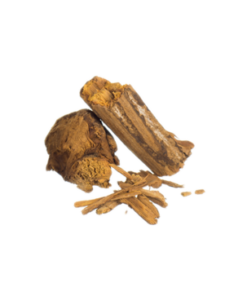
Ayahuasca Herbs
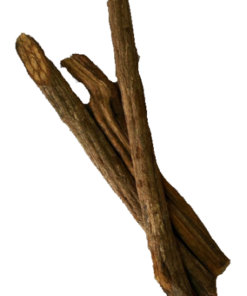
Ayahuasca Herbs
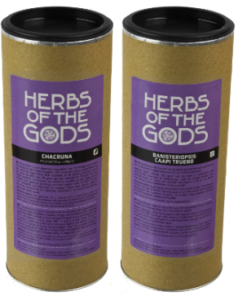
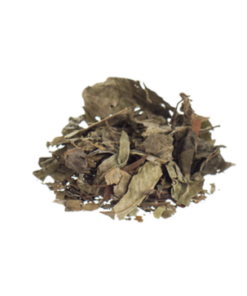
Ayahuasca Herbs
Ayahuasca Herbs
Ayahuasca Herbs
Ayahuasca Herbs
Ayahuasca Herbs
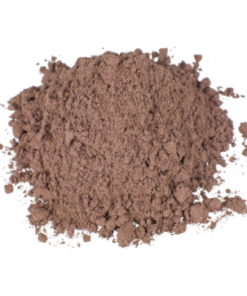
Ayahuasca Herbs
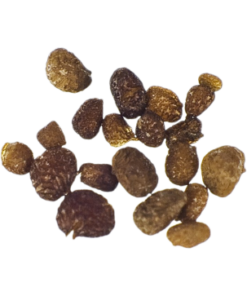
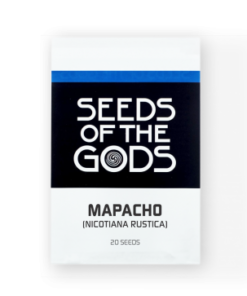
Ayahuasca Herbs
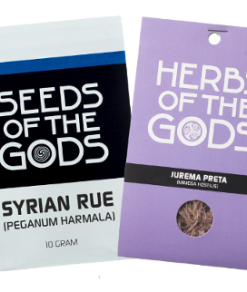
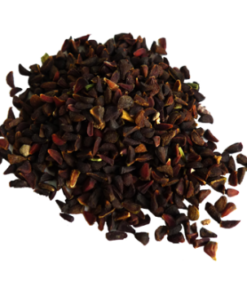
Ayahuasca Herbs
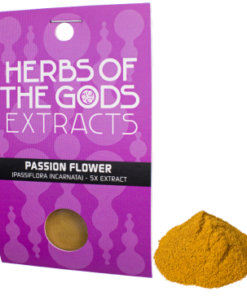
Ayahuasca Herbs
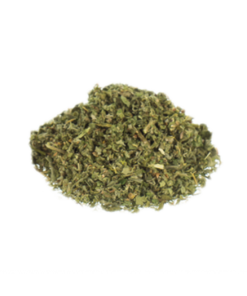
Ayahuasca Herbs
Explore Our Ayahuasca Herbs Collection
Our collection includes individual botanicals as well as selected ethnobotanical combinations and related products. Depending on availability, you may find plants associated with traditional Amazonian preparations alongside botanicals from other regions that have historical significance within ethnobotanical culture.
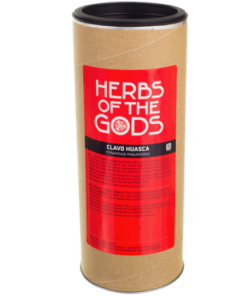
Banisteriopsis caapi
Banisteriopsis caapi is a woody Amazonian vine traditionally associated with ayahuasca ceremonies and commonly known as the ayahuasca vine or "vine of the soul."
The plant has a particularly important place in the cultural history of Amazonian botanical practices. Our collection may include different botanical presentations of Banisteriopsis caapi, such as dried plant material.
Individual product pages should be consulted for the precise variety, origin, format and quantity supplied.
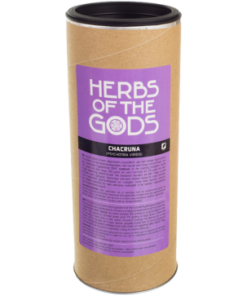
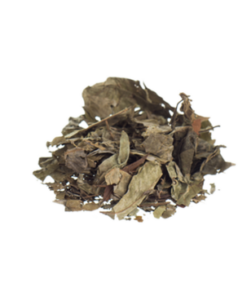
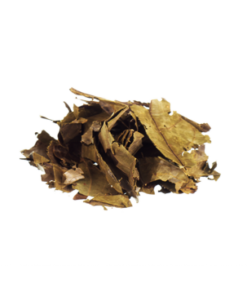
Chacruna — Psychotria viridis
Psychotria viridis, commonly known as Chacruna, is a shrub native to tropical South America. It is historically associated with Amazonian ayahuasca traditions.
Its presence in ethnobotanical collections reflects the long-standing cultural relationship between Amazonian communities and native plant species.
Always check the individual product description for botanical identification, supplied plant material and availability.
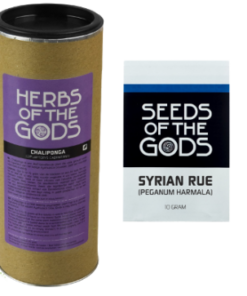
Chaliponga — Diplopterys cabrerana
Diplopterys cabrerana, commonly known as Chaliponga, is another South American botanical associated with traditional ayahuasca practices.
The plant has become familiar within ethnobotanical collections because of its documented connection with Amazonian plant traditions. Product information should always be checked for the exact species and supplied material.
Syrian Rue — Peganum harmala
Although Syrian Rue is not an Amazonian plant, Peganum harmala has become an important botanical in modern ethnobotanical discussions surrounding traditional plant preparations.
The plant is native to regions extending across parts of North Africa, the Middle East and Central Asia and has a long history of cultural and traditional use.
Our collection may include Syrian Rue seeds and botanical extracts. Always consult the individual product page for the exact format and contents.
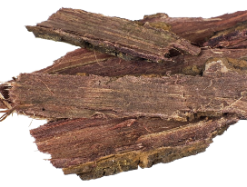
Mimosa hostilis
Mimosa hostilis, also known as Jurema Preta, is a South American tree associated with the traditional Jurema practices of northeastern Brazil.
The plant has considerable ethnobotanical importance and appears in historical and contemporary discussions concerning South American plant traditions.
Where this botanical is offered, product pages identify the supplied plant material and provide additional information about the product.
What Are Ayahuasca Herbs?
The term Ayahuasca herbs is commonly used to describe plants that have a historical or cultural association with ayahuasca and related Amazonian botanical traditions.
Ayahuasca itself is traditionally described as a plant-based preparation whose cultural practices vary between communities and regions. The European Union Drugs Agency identifies DMT as a component of ayahuasca and describes ayahuasca as having a long history of ritual and religious use, particularly in Latin America.
However, "ayahuasca herbs" does not refer to one single botanical species. Different plants have different botanical identities, geographical origins, traditional contexts and chemical compositions.
For this reason, our category focuses on identifying individual plants accurately rather than treating every botanical in this collection as interchangeable.
The Botanical Heritage of Ayahuasca
Ayahuasca has a particularly rich ethnobotanical history. Traditional practices involving ayahuasca have been documented in numerous Indigenous and non-Indigenous communities throughout the Amazon and other parts of Latin America.
The cultural significance of these practices extends beyond the plants themselves. Traditional ceremonies can involve community, spirituality, music, ritual knowledge and relationships between people and their natural environment.
The EUDA notes that DMT-containing ayahuasca has a documented history of ritualistic and religious use among Indigenous and non-Indigenous groups, particularly in Latin America.
When exploring these plants, it is therefore useful to distinguish botanical information and cultural history from modern claims about effects or medical applications.
Popular Botanicals in the Ayahuasca Collection
Banisteriopsis caapi — Ayahuasca Vine
Banisteriopsis caapi is one of the best-known plants associated with ayahuasca traditions. It is a tropical vine belonging to the Malpighiaceae family and has a long history within Amazonian ethnobotany.
Different traditional preparations and regional practices may use different varieties or forms of the plant, which is why the botanical identity and product specification are important when comparing products.
Psychotria viridis — Chacruna
Psychotria viridis is a tropical shrub belonging to the Rubiaceae family. It is native to South America and has a well-documented association with ayahuasca traditions.
Its common name, Chacruna, is widely recognised within ethnobotanical literature.
Diplopterys cabrerana — Chaliponga
Diplopterys cabrerana is a tropical South American vine in the Malpighiaceae family. Like Psychotria viridis, it is associated with certain Amazonian plant traditions.
The plant is often encountered in ethnobotanical collections under the name Chaliponga.
Peganum harmala — Syrian Rue
Peganum harmala is a perennial plant traditionally found across parts of the Middle East, Central Asia and surrounding regions.
Its seeds have a long history of traditional use and have become widely known within modern ethnobotanical literature.
Mimosa hostilis — Jurema Preta
Mimosa hostilis is a thorny tree native to northeastern Brazil and neighbouring regions. It is also known by names including Jurema Preta.
The plant is particularly significant in discussions of Jurema traditions and South American ethnobotany.
Individual Herbs & Botanical Products
Our collection may include a range of formats and botanical materials depending on current availability.
Dried Botanical Materials
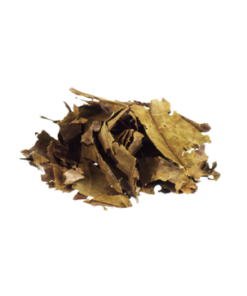
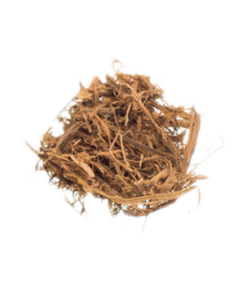
Dried herbs, vines, leaves, bark and other plant materials provide a direct way to explore the physical characteristics of individual botanicals.
Each product should be evaluated according to its botanical name, supplied plant part, net quantity and product description.
Seeds
Some ethnobotanical species are available as seeds. Seed products can be particularly interesting to collectors, gardeners and customers researching plant biodiversity.
Always check whether the importation, possession, cultivation or intended use of a particular species is permitted in your country.
Botanical Extracts
Extracts are more concentrated botanical preparations and should not be treated as equivalent to raw plant material on a weight-for-weight basis.
Where an extract is offered, carefully review the product specification, concentration, extraction information and intended product classification.
Ethnobotanical Packs
Selected products may be offered as combinations featuring more than one botanical associated with traditional plant practices.
The contents of each pack can differ, so always check the individual product description before ordering.
Why Botanical Names Matter
Common names can vary considerably between regions and may sometimes refer to multiple plants. Using the Latin botanical name provides a more precise way to identify the species being discussed.
Some commonly encountered names include:
| Common name | Botanical name |
|---|---|
| Ayahuasca Vine | Banisteriopsis caapi |
| Chacruna | Psychotria viridis |
| Chaliponga | Diplopterys cabrerana |
| Syrian Rue | Peganum harmala |
| Jurema Preta | Mimosa hostilis |
When comparing products, always look beyond the common name and check the complete botanical identification supplied on the product page.
Traditional & Cultural Significance
The plants associated with ayahuasca are part of a much broader history of human relationships with plants.
Across the Amazon, Indigenous communities have developed extensive knowledge of local flora and incorporated particular plants into food systems, traditional practices, ceremonies and cultural traditions.
Ayahuasca traditions are especially diverse. There is no single universal ceremony or standardized cultural practice, and different communities may use different plants, terminology and traditions.
Understanding this diversity is an important part of approaching ayahuasca-related ethnobotany respectfully.
Ayahuasca, Ethnobotany & Modern Research
Interest in ayahuasca has expanded beyond traditional cultural contexts into anthropology, pharmacology and psychedelic research.
The EUDA identifies ayahuasca/DMT among the psychedelic substances currently discussed in European research and policy contexts. It also notes that psychedelic use can occur for recreational, spiritual, cultural and therapeutic-oriented reasons.
Research interest should not, however, be confused with established medical approval. The regulatory status of psychedelic substances remains different from that of conventional medicines, and the EUDA notes that classical psychedelics had not been approved at EU or Member State level as medicines for neuropsychiatric disorders at the time of its cited FAQ.
Choosing an Ayahuasca-Associated Botanical
When comparing products in this category, consider:
- Botanical identity — Check the complete Latin name.
- Plant part — Determine whether the product contains vine, leaves, seeds, bark, roots or another plant material.
- Format — Compare dried botanicals, seeds, extracts and other available forms.
- Net quantity — Check the exact weight or number of seeds supplied.
- Origin — Review available geographical and sourcing information.
- Ingredients — Check whether the product contains a single botanical or multiple ingredients.
- Product classification — Understand whether the item is sold as botanical material, seed, supplement or another category.
- Local legislation — Confirm that possession, importation and intended use are permitted in your jurisdiction.
For less familiar botanicals, the Latin name is particularly important because common names can be inconsistent.
Quality & Product Information
We aim to provide clear product information so customers can make informed comparisons.
Depending on the product, information may include:
- Common botanical name
- Latin species name
- Plant family
- Plant part supplied
- Net weight or quantity
- Botanical origin
- Processing or presentation
- Ingredients
- Storage information
- Supplier or manufacturer details
- Available quality documentation
Always read the complete product page before purchasing.
Ayahuasca Herbs & European Regulations
The legal status of ayahuasca-related botanicals and preparations is not uniform throughout Europe.
The EUDA explains that psychedelic substances are subject to international controls and that national responses can differ between European countries. It specifically identifies DMT as a component of ayahuasca and advises consulting relevant national authorities because laws differ and can change.
This means that the fact that a particular plant is available as a botanical product in one country does not necessarily mean that the same plant, extract or preparation can legally be imported, possessed or used in another.
Customers are responsible for checking the laws applicable to their own country before ordering.
Where products are marketed as herbal medicines or food products, additional regulatory frameworks may apply. The European Commission notes that traditional herbal medicinal products are subject to specific EU legislation and national registration procedures.
Important Information Before Ordering
Ayahuasca-associated botanicals can have complex legal and safety considerations.
Before placing an order:
- Check the botanical name and exact product description.
- Confirm that the product is permitted in your country.
- Check import and customs requirements where applicable.
- Review any national restrictions concerning controlled substances or precursor plants.
- Do not assume that rules applying to a raw botanical automatically apply to extracts or preparations.
- Read all product-specific warnings and information.
Regulations can change, so the most reliable source for legal requirements is the competent authority in your destination country.
Responsible Botanical Information
The products in this category are presented primarily from a botanical and ethnobotanical perspective.
Traditional use does not establish that a plant can diagnose, prevent or treat a disease. Likewise, historical cultural use should not be interpreted as a guarantee of safety or a recommendation for consumption.
Some plants contain biologically active compounds and may be unsuitable for particular individuals or may interact with medicines. Anyone considering a botanical product should research the specific plant carefully and seek professional advice where appropriate.
Pregnant or breastfeeding individuals, people taking medication and anyone under medical supervision should consult an appropriately qualified healthcare professional before using unfamiliar botanical products.
Keep botanical products away from children and store them according to the instructions provided with the individual product.
Ayahuasca Herbs FAQ
What are Ayahuasca Herbs?
Ayahuasca Herbs is a broad term for plants and botanical materials associated with ayahuasca and related South American ethnobotanical traditions. Commonly discussed species include Banisteriopsis caapi, Psychotria viridis and Diplopterys cabrerana.
What is Ayahuasca?
Ayahuasca is a traditional plant-based preparation associated with ceremonial and spiritual practices in parts of South America. The EUDA identifies DMT as a component of ayahuasca and documents its historical ritual and religious use.
Which plants are traditionally associated with Ayahuasca?
Frequently discussed botanicals include Banisteriopsis caapi, Psychotria viridis and Diplopterys cabrerana. Other plants may appear in ethnobotanical discussions, but traditions and plant combinations vary between communities.
What is Banisteriopsis caapi?
Banisteriopsis caapi is an Amazonian vine commonly known as the ayahuasca vine. It has a long-standing cultural association with traditional ayahuasca practices.
What is Chacruna?
Chacruna is the common name for Psychotria viridis, a South American shrub traditionally associated with ayahuasca practices.
What is Chaliponga?
Chaliponga commonly refers to Diplopterys cabrerana, a South American vine associated with certain Amazonian ethnobotanical traditions.
Is Syrian Rue an Ayahuasca plant?
Syrian Rue, or Peganum harmala, is not an Amazonian ayahuasca vine. It is a plant from a different geographical region that has nevertheless become associated with modern ethnobotanical discussions concerning ayahuasca-like plant combinations.
Are Ayahuasca Herbs legal in Europe?
There is no single answer for every European country. Laws concerning DMT, psychedelic substances, plants, extracts and preparations can differ between jurisdictions. The EUDA specifically advises checking the relevant national authority because laws vary across European countries.
Can I order Ayahuasca Herbs internationally?
Availability and import eligibility depend on the destination country and the specific botanical product. Always check local legislation and customs requirements before ordering.
Are Ayahuasca Herbs medicines?
No. A botanical product should not automatically be regarded as a medicinal product. Traditional herbal medicines have a specific regulatory framework in the EU, including national registration procedures.
Why should I check the Latin name?
Common names can refer to different plants depending on the region. The Latin botanical name provides a more precise way to identify the species and compare products accurately.
What information should I check before buying?
Check the botanical name, plant part, format, net quantity, ingredients, origin, product classification, storage information and any available quality documentation. Most importantly, verify that the particular product is permitted in your country.
Explore Our Ayahuasca Herbs Collection
Explore the Magic Mushrooms Shop Ayahuasca Herbs category to discover botanicals associated with Amazonian ethnobotany and traditional plant cultures.
From Banisteriopsis caapi and Chacruna to Chaliponga, Mimosa hostilis and other ethnobotanical plants, our collection provides an opportunity to learn more about individual species, their botanical identities and their cultural backgrounds.
Read each product page carefully for the exact species, plant part, format, contents and applicable product information. Always verify the legal requirements in your country before ordering. Browse our Ayahuasca Herbs collection and explore the botanical heritage of traditional Amazonian plant cultures.