
Buy Magic Mushroom Spore Prints — Microscopy & Research Collection
Explore our Magic Mushroom Spore Prints collection, featuring selected fungal spore specimens prepared for microscopy, identification, educational study and lawful mycological research.
A spore print provides a simple, compact way to preserve and examine fungal spores. Unlike liquid spore preparations, a dry print contains spores deposited directly onto a suitable surface, making it convenient for researchers, collectors and microscopy enthusiasts interested in comparing spore morphology between different specimens.
Our collection may include prints associated with Psilocybe cubensis and other species, with individual products identified by their strain or species name where applicable.
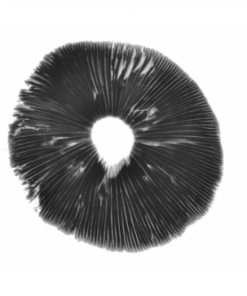
Spore Prints
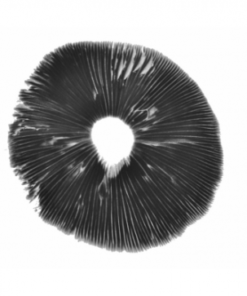
Spore Prints
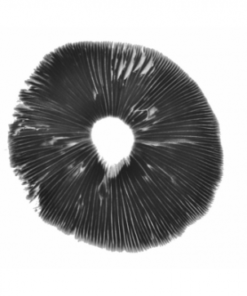
Spore Prints
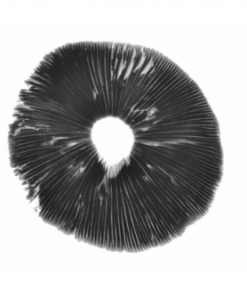
Spore Prints
Spore Prints
Spore Prints
Spore Prints
Spore Prints
Spore Prints
Spore Prints
Spore Prints
Spore Prints
Important: These products are supplied for lawful microscopy, educational and research purposes only. Spores should not be used to cultivate or produce controlled substances. Laws concerning fungal species, spores, cultivation and controlled compounds vary by jurisdiction, so always check the regulations applicable to your location before ordering.
Explore Our Magic Mushroom Spore Prints Collection
Our Magic Mushroom Spore Prints category brings together individual specimens representing different fungal varieties and geographical designations. Depending on current availability, the collection may include:
- A+ Albino spore prints
- A-Strain spore prints
- Amazonas spore prints
- B+ spore prints
- Cambodia spore prints
- Ecuador spore prints
- Golden Teacher spore prints
- Mazatapec spore prints
- McKennaii spore prints
- Mexican spore prints
- PES Hawaii spore prints
- Thai Ban Hua spore prints
- Thai Koh Samui spore prints
- Other selected fungal specimens
Product availability can change, so always consult the individual product page for the exact specimen name, species identification, format and current product information.
What Is a Mushroom Spore Print?
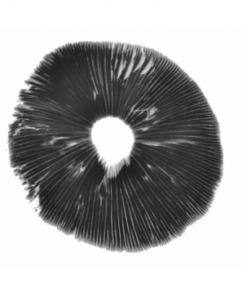
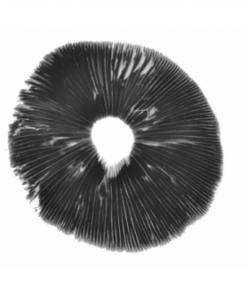
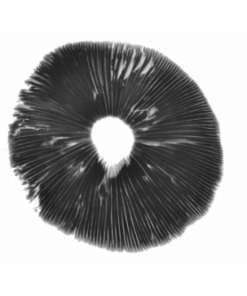
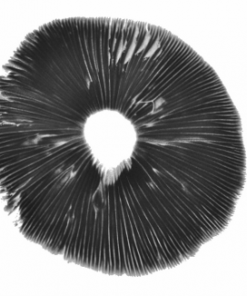
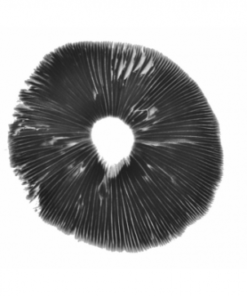
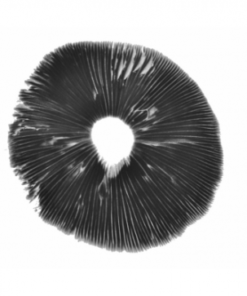
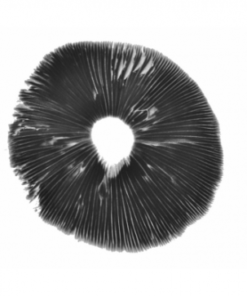
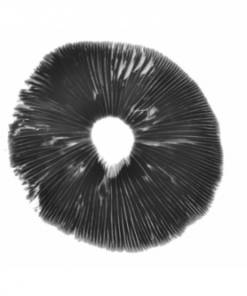
A mushroom spore print is a visible deposit of spores produced by a mature fungal fruiting body.
When spores are released from the underside of a mushroom cap and deposited onto a suitable surface, they form a characteristic pattern. The resulting print can preserve a concentrated sample of spores for later examination.
For microscopy enthusiasts, spore prints can provide useful material for observing characteristics such as:
- Spore shape
- Spore size
- Surface characteristics
- Colour
- Density
- Distribution patterns
- Differences between specimens
The appearance of spores can contribute to fungal identification and comparative study, although microscopic observations should be interpreted alongside other identifying characteristics.
Why Choose Spore Prints?
Spore prints offer several practical advantages for lawful microscopy and specimen collections.
Dry Format
Unlike liquid spore preparations, a dry print contains no suspension medium. This makes the format compact and straightforward to store when properly protected from moisture.
Compact Storage
A spore print takes up very little space, making it practical for researchers and collectors maintaining reference collections.
Microscopy-Friendly
A small quantity of spore material can be examined under a microscope as part of morphological study.
Variety of Specimens
Collecting prints from different varieties can provide opportunities for comparative observation and documentation.
Long-Term Reference
When protected from humidity, excessive heat and contamination, a dry specimen can be retained as part of a personal or institutional reference collection. Exact longevity depends on storage conditions and specimen quality.
Psilocybe Cubensis Spore Prints
Psilocybe cubensis is a well-known fungal species represented by numerous named varieties and geographical designations.
Within a microscopy collection, different P. cubensis specimens can be compared for observable characteristics such as spore morphology and pigmentation. Our collection may include varieties such as:
- Golden Teacher
- B+
- Mazatapec
- Ecuador
- McKennaii
- A+ Albino
- Mexican
- Cambodia
- PES Hawaii
- Thai varieties
The names used for commercial varieties can have complex histories and may not always represent formally recognised taxonomic subdivisions. For scientific work, the species identification and the actual specimen should therefore receive greater attention than marketing terminology alone.
Comparing Different Spore Prints
If you are building a microscopy reference collection, comparing several specimens can provide a useful way to study variation. Consider documenting:
- Species or stated variety
- Source information
- Date acquired
- Spore colour
- Observed morphology
- Microscopic dimensions
- Magnification used
- Slide preparation method
- Observational notes
Keeping consistent records makes comparisons between specimens more meaningful.
Spore Prints vs Spore Vials
Both spore prints and spore vials can be useful formats for lawful microscopy, but they differ in presentation and storage.
| Feature | Spore Print | Spore Vial |
|---|---|---|
| Format | Dry spore deposit | Liquid suspension |
| Storage footprint | Very compact | Small vial |
| Moisture | Dry format | Contains liquid |
| Microscopy use | Suitable for specimen examination | Suitable for liquid-slide examination |
| Collection value | Useful for reference collections | Convenient prepared format |
| Handling | Requires careful dry storage | Requires sealed vial storage |
| Strain comparison | Convenient for archiving specimens | Convenient for comparing liquid samples |
Choose the format that best suits your microscopy collection, storage preferences and research requirements.
How to Select a Magic Mushroom Spore Print
When comparing products, consider the following factors.
1. Species or Variety
Check the stated species and variety carefully. For example, products may be identified as Psilocybe cubensis together with a variety or geographical designation.
2. Specimen Format
Confirm that the product is a spore print rather than a spore vial, syringe or another preparation.
3. Product Information
Review the individual product page for the available specimen description, packaging details and other relevant information.
4. Intended Use
Ensure that your intended use is lawful microscopy, educational observation, identification or research.
5. Storage Requirements
Follow the supplier's storage recommendations and protect dry specimens from humidity, heat and unnecessary exposure to light.
6. Legal Requirements
Check the laws governing spores, fungal specimens and associated species in your location before ordering.
Building a Fungal Reference Collection
A carefully organised fungal reference collection can be useful for microscopy enthusiasts, students and researchers. For each specimen, consider recording:
- Common or commercial name
- Scientific name
- Acquisition date
- Supplier information
- Specimen format
- Storage location
- Microscopy observations
- Image references
- Measurement notes
A consistent documentation system can make it easier to compare specimens over time and identify recurring morphological characteristics.
Microscopy & Spore Morphology
Spore morphology is an important area of fungal study. Depending on the species, researchers may examine characteristics including:
- Shape
- Size
- Colour
- Ornamentation
- Wall characteristics
- Germ-pore features
- Variation between specimens
Microscopic observations can be recorded through measurements, written descriptions and photographs. Because fungal identification can be complex, spore characteristics should not generally be treated as the sole basis for definitive species identification.
Storage of Spore Prints
Proper storage can help preserve a dry specimen for future examination. General collection considerations include:
- Keep the specimen dry.
- Protect it from excessive humidity.
- Store it away from direct sunlight.
- Avoid unnecessary heat exposure.
- Use suitable protective packaging.
- Label specimens clearly.
- Record acquisition dates and identification information.
- Keep specimens separate where cross-contamination could compromise research.
Always follow any storage instructions supplied with the individual product.
Quality & Product Information
We aim to provide clear information so customers can make informed comparisons between specimens. Depending on the individual product, information may include:
- Product name
- Species or stated variety
- Botanical or scientific name
- Spore-print format
- Specimen description
- Packaging information
- Microscopy suitability
- Storage information
- Supplier details
- Current availability
Always read the complete product page before ordering.
Why Scientific Names Matter
Common mushroom names can vary between suppliers, regions and historical sources. Scientific names provide a more consistent framework for identifying fungal species. Where available, compare the scientific name with the product's common or commercial name.
For example:
Psilocybe cubensis is the scientific name associated with the species represented by many of the varieties in this category. When performing research or maintaining a reference collection, recording both the scientific and commercial designation can help maintain accurate documentation.
Responsible Research Use
Magic mushroom spore prints should be approached as microscopy and research specimens. The presence of spores does not make a specimen equivalent to a preparation containing psilocybin or psilocin. However, the legal position of spores and associated fungal species can differ between countries.
Do not assume that a product's legal status in one jurisdiction applies elsewhere. Our category information is intended to support lawful specimen collection and microscopy rather than the cultivation, preparation or consumption of controlled substances.
Legal Considerations
Regulations surrounding fungi, spores and controlled substances can vary considerably.
For example, Dutch government information states that possession, production and dealing in controlled drugs are prohibited under Dutch law, while drug legislation distinguishes between different categories of controlled substances.
International orders can also involve customs and plant or biological-material requirements. The Netherlands government notes that certain seeds and plant products entering the EU from outside the EU can require phytosanitary documentation. Therefore, before placing an order, consider:
- Whether spores are permitted in your jurisdiction.
- Whether the associated fungal species is restricted.
- Whether importation is permitted.
- Whether customs documentation is required.
- Whether possession of the specimen is lawful.
- Whether additional restrictions apply to cultivation or controlled compounds.
The relevant authority in your destination country is the best source for current legal requirements.
Shipping & Packaging
Spore prints are naturally compact and can be packaged without the liquid format associated with spore syringes or vials. Before ordering, review the supplier's current information concerning:
- Packaging
- Shipping destinations
- Delivery options
- International restrictions
- Product handling
- Storage after arrival
For international orders, customers remain responsible for ensuring that the product can legally enter their destination country.
Who Are Magic Mushroom Spore Prints For?
A spore-print collection can be particularly interesting for:
- Microscopy enthusiasts studying fungal morphology
- Mycology students learning about fungal identification
- Educational projects involving fungal specimens
- Collectors maintaining reference samples
- Researchers conducting lawful comparative observations
- Photomicrography enthusiasts documenting microscopic structures
The appropriate use depends on local law and the intended research or educational purpose.
Magic Mushroom Spore Prints FAQ
What is a magic mushroom spore print?
A magic mushroom spore print is a dry deposit of fungal spores collected from a mature specimen. It can be retained as a reference sample and examined for microscopy and educational purposes.
What species are represented?
The collection may include specimens identified as Psilocybe cubensis, together with named varieties and geographical designations. Always check the individual product page for the exact identification.
Are spore prints the same as mushrooms?
No. A spore print consists of spores rather than a dried mushroom or mushroom preparation.
Do spore prints contain psilocybin?
Spores are distinct from the fruiting body tissue in which psychoactive compounds are associated. Product-specific composition should always be verified from the supplier's information.
Can spore prints be used for microscopy?
They can be supplied as microscopy specimens where permitted by applicable law. Their dry format makes them convenient for maintaining reference samples.
How should I store a spore print?
Protect the specimen from moisture, excessive heat and direct light. Follow the storage recommendations provided with the individual product.
How long can a spore print last?
Longevity depends on specimen quality and storage conditions. A properly protected dry specimen can potentially remain useful for an extended period, but no universal shelf-life should be assumed.
What is the difference between a spore print and a spore vial?
A spore print is a dry deposit of spores, while a spore vial contains spores in a liquid suspension. The two formats differ in storage, handling and microscopy presentation.
Which spore print should I choose?
Start by identifying the species or variety you want to study. Classic Psilocybe cubensis varieties such as Golden Teacher, B+ or Mazatapec may be useful for comparative microscopy, while other specimens can broaden a reference collection.
Can I order spore prints internationally?
International orders may be subject to customs, biological-material and species-specific restrictions. Always verify the laws of your destination country before ordering.
Are mushroom spores legal?
There is no universal answer. The legal status of spores and associated fungal species varies by jurisdiction. Check the applicable regulations before purchasing or importing.
Can spore prints be used to grow mushrooms?
This category is intended for lawful microscopy, education and research. We do not provide cultivation instructions or guidance for producing controlled substances.
Why collect different spore prints?
Different specimens can provide opportunities for comparative study of spore colour, morphology and other microscopic characteristics.
Explore Magic Mushroom Spore Prints
Explore our Magic Mushroom Spore Prints collection to discover selected fungal specimens for lawful microscopy, educational study and mycological reference collections.
From Golden Teacher, B+, Mazatapec and Ecuador to Mexican, Cambodian, Thai and other selected specimens, the collection provides a range of samples for comparative observation and documentation.
Review each product page carefully for the exact species or variety, specimen format and available product information. Before ordering, particularly from another country, verify the regulations applicable to spores and fungal specimens in your location.
Browse our Magic Mushroom Spore Prints collection and discover selected fungal specimens for microscopy and lawful mycological research.