


Product Contents
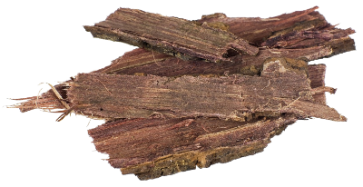
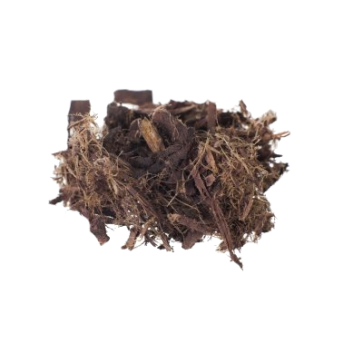
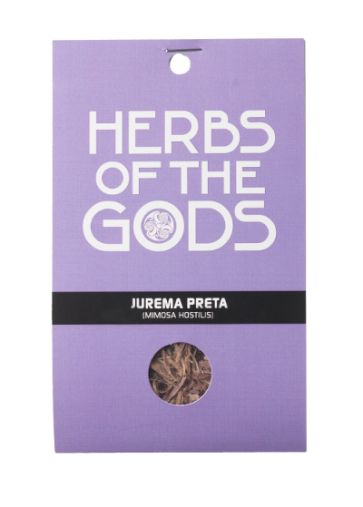
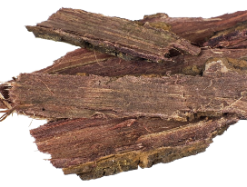
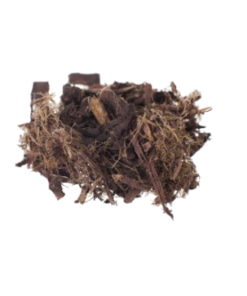
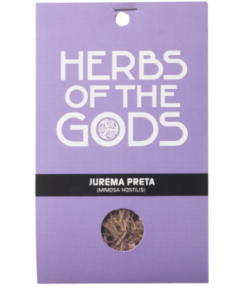
This product contains Mimosa Hostilis (Mimosa tenuiflora), commonly known as Jurema Preta, supplied in shredded root-bark form. The plant is a tropical tree belonging to the legume family (Fabaceae) and has a long history of cultural and botanical interest.
About Mimosa Hostilis
Mimosa Hostilis, also known as Jurema Preta, is a plant native to parts of Mexico, Central America and South America, particularly Brazil. Its root bark contains naturally occurring alkaloids, including N,N-DMT (DMT), a powerful psychoactive compound.
Because of its naturally occurring DMT content, Mimosa Hostilis is associated with intense psychedelic effects and is subject to legal restrictions in many countries and jurisdictions. Always check the laws applicable to your location before purchasing, possessing or using this botanical product.
The composition of naturally harvested plant material can vary considerably depending on factors such as geographical origin, growing conditions, plant maturity and processing.
Traditional and Cultural Context
Jurema has a longstanding place in the cultural traditions of northeastern Brazil. Historical accounts describe the preparation of plant-based beverages associated with spiritual ceremonies and visionary practices.
Within these traditions, Jurema has been regarded as a sacred botanical and has been associated with ritual, spirituality, visions and communication with the spiritual world.
The cultural significance of Jurema continues to be reflected in several Brazilian religious and Afro-Brazilian traditions.
Mimosa Hostilis and Botanical Research
Mimosa Hostilis has attracted considerable interest from botanists, ethnobotanists and researchers because of its distinctive chemistry and long history of traditional use.
The species is closely associated with other plants known for naturally occurring tryptamine alkaloids. Its botanical history, traditional applications and chemical constituents continue to be subjects of academic and ethnobotanical interest.
Important Information About DMT
The root bark of Mimosa Hostilis naturally contains N,N-DMT, a psychoactive tryptamine. DMT can produce powerful alterations in perception, consciousness and sensory experience.
Its effects can vary substantially between individuals and between batches of plant material. Experiences may be psychologically intense and unpredictable.
DMT-containing preparations can also present significant risks when combined with certain medications or other psychoactive substances. For this reason, combining Mimosa Hostilis with medicines or other psychoactive compounds should not be undertaken without advice from an appropriately qualified healthcare professional.
Responsible Use and Safety
Mimosa Hostilis is not an ordinary food ingredient or conventional herbal supplement. Its naturally occurring psychoactive compounds mean that additional care is required. Before handling or using this botanical:
- Check the laws and regulations in your country.
- Do not assume that its legal status is the same across Europe.
- Do not combine it with prescription medicines or other psychoactive substances without professional medical advice.
- Do not use psychoactive preparations while driving or operating machinery.
- Keep the product away from children and anyone who should not have access to it.
- Seek qualified medical assistance if an adverse or unexpected reaction occurs.
Anyone with concerns about medications, existing health conditions or potential interactions should speak with a healthcare professional before considering exposure to DMT-containing botanicals.
Botanical History
Mimosa Hostilis has been known under several scientific and common names, including Mimosa tenuiflora and Jurema Preta. It belongs to the Fabaceae family, which includes numerous species of trees, shrubs and plants.
The tree occurs naturally in regions of Mexico, Central America and South America and is particularly associated with the dry landscapes of northeastern Brazil.
The species has also been known historically as Tepescohuite in Mexico, where it has attracted attention for its traditional botanical applications.
Jurema in South American Traditions
Jurema has a particularly rich ethnobotanical history in Brazil. Indigenous and later syncretic traditions incorporated Jurema plants into ceremonial and spiritual practices, with preparations associated with visions, ritual experiences and traditional beliefs.
Historical names connected with these traditions include Jurema, Ajucá and related regional terms.
During the twentieth century, some traditional Jurema practices declined in certain communities, while others continued and became incorporated into broader Brazilian religious and cultural traditions, including elements associated with Afro-Brazilian religious practice.
Product Format
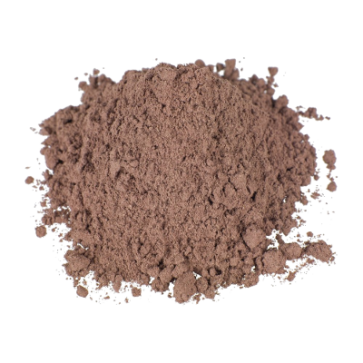
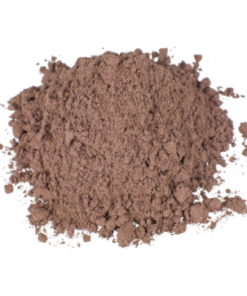
This product is supplied as shredded Mimosa Hostilis / Jurema Preta root bark, making it suitable for botanical identification, collection and lawful research purposes where permitted. Due to the naturally occurring psychoactive compounds present in the plant, customers should verify all applicable local regulations before purchasing, possessing or using Mimosa Hostilis.
Please Check Local Regulations
The legal status of Mimosa Hostilis and DMT varies significantly between countries and may also differ according to the form of the product and its intended use.
Always check current legislation in your country before ordering or possessing this product. The information provided here is intended for botanical and educational purposes and should not be interpreted as medical or legal advice.
| Form | 10 Grams, 100 Grams |
|---|
Be the first to review “Jurema Preta | Mimosa hostilis”
Related products
Ayahuasca Herbs
Ayahuasca Herbs
Ayahuasca Herbs

Ayahuasca Herbs
Ayahuasca Herbs
Ayahuasca Herbs
Reviews
There are no reviews yet.