

Ayahuasca Herbs
Explore Our Herbal Collection
Our Herbs category includes a broad range of dried and botanical products, from traditional European herbs to plants associated with South American, African and Asian cultures.
Traditional Herbs & Botanicals
Discover familiar and lesser-known herbs such as Passionflower, Wormwood, Gotu Kola, Ginkgo Biloba, Galangal and Marshmallow. Many of these plants have long histories of culinary, cultural or traditional herbal use.
Flowers & Floral Botanicals
Our collection also includes dried flowers and floral botanicals such as Blue Lotus, White Lily, Pink Lotus and Wild Dagga. These products are valued for their distinctive botanical characteristics and cultural heritage.
Ethnobotanical Plants
Explore unusual plants with documented histories of traditional use across different parts of the world. Our selection includes botanicals associated with South American, African and Asian traditions, giving you an opportunity to learn more about plant diversity and ethnobotanical heritage.
Roots, Bark & Plant Materials
Some botanicals are supplied as dried roots, root bark, stems or other plant parts. Product descriptions identify the botanical name and supplied plant material wherever this information is available.
Seeds & Botanical Ingredients
The wider Smartshop collection also features unusual botanical seeds and plant-based ingredients. Availability and permitted uses can differ between countries, so always check the applicable regulations before ordering.
What Are Ethnobotanical Herbs?
The term ethnobotanical refers broadly to the relationship between people and plants, including how different cultures have traditionally used plants for food, rituals, crafts, beverages and herbal practices.
Many plants in our collection have been documented in traditional cultures for generations. Their historical importance, however, should not automatically be interpreted as proof of a modern medical effect.
For this reason, our product information focuses on the botanical identity, plant part, format, origin and traditional background rather than presenting herbs as medicines or treatments.
Popular Herbs in Our Collection
Damiana — Turnera diffusa
Damiana is a shrub native to parts of Central and South America. It has a long history of traditional use and is one of the better-known plants in ethnobotanical collections. Our selection is supplied as dried botanical material.
Kanna — Sceletium tortuosum
Kanna is a South African succulent with a distinctive history among indigenous communities of the region. The plant has become well known internationally within ethnobotanical circles.
Passionflower — Passiflora incarnata
Passionflower is a familiar botanical with a long history of traditional herbal use. Its attractive flowers and established place in European and North American herbal traditions have made it a popular dried herb.
Ginkgo — Ginkgo biloba
Ginkgo is one of the world's most recognisable living tree species and has an exceptionally long botanical history. Ginkgo leaves are commonly encountered in dried-herb and supplement collections.
Guarana — Paullinia cupana
Native to the Amazon region, guarana is traditionally associated with South American plant culture. Its seeds contain naturally occurring caffeine, making it a distinctive botanical ingredient.
Galangal — Alpinia officinarum
Galangal belongs to the ginger family and has a long culinary history in Asian cuisine. Its aromatic root is particularly associated with Southeast Asian food traditions.
Muira Puama — Ptychopetalum olacoides
Muira Puama is a South American botanical traditionally associated with the Amazon region. Its bark and roots have featured in traditional herbal practices and ethnobotanical literature.
Devil's Claw — Harpagophytum procumbens
Devil's Claw is native to southern Africa and is named after the distinctive hooked fruits produced by the plant. It has a documented history of traditional use among indigenous communities of the region.
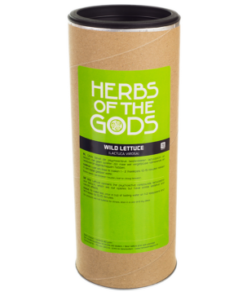
Wild Lettuce — Lactuca virosa
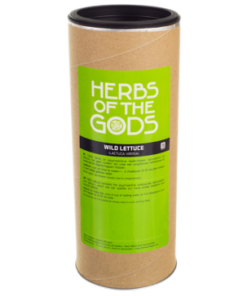
Wild Lettuce is a European and Mediterranean plant belonging to the same botanical family as cultivated lettuce. It is included in historical herbal literature and ethnobotanical collections.
Catuaba
Catuaba is a name used for several South American botanicals and is particularly associated with traditional Brazilian herbal practices. Always check the exact botanical identity specified on an individual product page.
Herbs by Format
Choosing an herb is not only about the plant itself. The format can also make a difference when comparing products.
Shredded Herbs
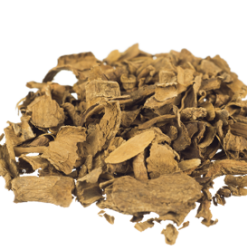
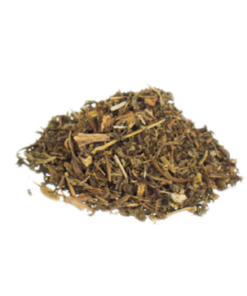
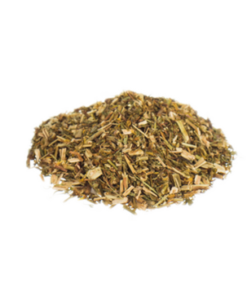
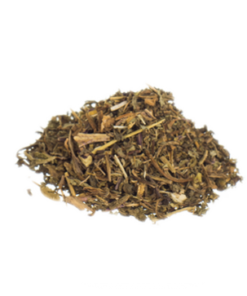
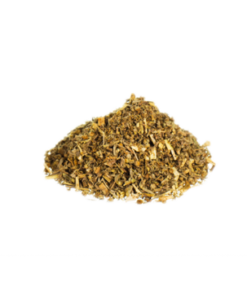
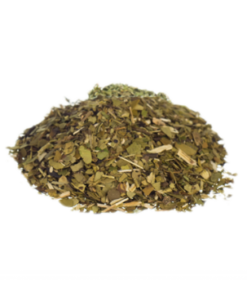
Shredded or cut herbs retain a recognisable plant texture and are a traditional presentation for many dried botanicals. They can also make it easier to identify the physical plant material.
Whole Herbs & Flowers
Whole or minimally processed botanicals provide a straightforward way to explore the appearance, texture and natural characteristics of a plant.
Powders
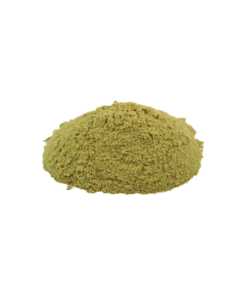
Powdered herbs are finely processed botanical materials. They are compact and convenient, although the original plant structure is less visible than with whole or shredded products.
Roots & Bark
Certain botanicals are traditionally supplied as roots, bark or other woody plant material. Product pages should be consulted for the exact plant part and preparation supplied.
Extracts
Extracts are concentrated botanical preparations and should not be compared directly with raw herbs on a gram-for-gram basis. Always check the product's concentration, extraction ratio and serving information where applicable.
Botanical Names Matter
Common names can vary between countries and may sometimes refer to more than one plant. For this reason, we include Latin botanical names wherever possible.
| Common name | Botanical name |
|---|---|
| Damiana | Turnera diffusa |
| Kanna | Sceletium tortuosum |
| Passionflower | Passiflora incarnata |
| Ginkgo | Ginkgo biloba |
| Guarana | Paullinia cupana |
| Galangal | Alpinia officinarum |
| Muira Puama | Ptychopetalum olacoides |
| Devil's Claw | Harpagophytum procumbens |
| Gotu Kola | Centella asiatica |
| Wormwood | Artemisia absinthium |
Checking the botanical name is one of the easiest ways to make sure you are comparing the correct plant rather than relying only on a common name.
Traditional Uses & Cultural Heritage
Plants have played an important role in human culture for thousands of years. Different communities have used herbs for cooking, teas, fragrances, ceremonies, traditional preparations and other purposes.
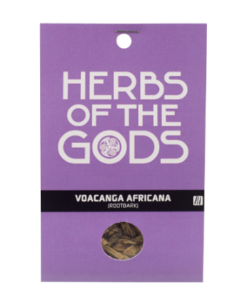
South American botanicals such as Banisteriopsis caapi, Chacruna and Mimosa hostilis have particularly strong associations with traditional ceremonial plant cultures. African botanicals such as Voacanga and Devil's Claw also have documented histories of indigenous use.
Asian and European traditions likewise include an enormous range of herbs and flowers, from Galangal and Ginkgo to Passionflower and Wormwood.
These historical traditions are valuable from a botanical and cultural perspective, but traditional use should not be presented as evidence that a plant can diagnose, prevent or treat a disease.
Choosing the Right Herb
When browsing botanical products, consider the following information before making a purchase:
- Botanical identity — check the Latin name.
- Plant part — determine whether the product contains leaves, flowers, roots, bark, seeds or another part.
- Format — compare whole, shredded, powdered or extracted preparations.
- Pack size — check the exact net quantity.
- Origin — review available information about where the botanical was sourced.
- Ingredients — make sure you understand what is included.
- Product status — check whether the product is intended as a food, supplement, botanical material or another category.
- Local regulations — confirm that the particular plant and intended use are permitted where you live.
Because common names can be ambiguous, comparing the Latin name and plant part is especially useful when shopping for less familiar botanicals.
Quality & Product Information
We aim to provide clear information so customers can make informed comparisons between botanical products. Depending on the product, this may include:
- Botanical and common name
- Plant family
- Plant part supplied
- Net weight
- Country or region of origin
- Processing or preparation format
- Ingredients
- Storage information
- Manufacturer or supplier information
- Available laboratory or quality documentation
Where products are intended for consumption, applicable food-safety and labelling requirements also need to be considered.
Herbs & EU Regulations
Botanical products do not automatically have the same legal status throughout Europe. Rules can differ according to the plant, preparation, intended use and country.
The European Commission's Novel Food Status Catalogue provides an orientation tool for checking the status of certain plant- and animal-derived products.
The Commission specifically notes that the catalogue is non-exhaustive and non-binding, and that individual EU countries can impose additional national restrictions.
Where an ingredient falls within EU novel-food rules, authorisation may be required before it can legally be placed on the EU market. The applicable Union list also specifies conditions of use and, where relevant, additional labelling requirements.
Food supplements are subject to EU rules designed to protect consumers and prevent misleading information. The European Commission explains that food supplements can include products supplied in forms such as capsules, tablets and measured-dose liquids.
Health and nutrition claims are also regulated. Claims made for foods must comply with the relevant EU legislation and should not mislead consumers; authorised claims and their conditions of use are listed in the EU Register of Nutrition and Health Claims.
Because national rules may differ, customers should always check the regulations applicable in their own country before ordering.
Responsible Use & Safety
Natural does not automatically mean risk-free. Plants can contain biologically active compounds, and some may interact with medicines or be unsuitable for particular people.
Before using a botanical product, read the complete product information and follow the manufacturer's instructions where applicable.
If you are pregnant or breastfeeding, taking medication, have an existing health condition or are under medical supervision, consult an appropriately qualified healthcare professional before using unfamiliar herbal products.
Do not combine botanicals indiscriminately, particularly where their active constituents or traditional uses may overlap with medicines or other supplements.
Keep botanical products away from young children and store them according to the instructions on the individual product.
Storage of Dried Herbs
Most dried botanicals benefit from being kept in a cool, dry and dark environment and protected from excess humidity.
Keep products sealed when not in use and avoid unnecessary exposure to moisture, heat and direct sunlight. Different botanicals may have different storage requirements, so always follow the information supplied with the individual product.
Herbs FAQ
What types of herbs can I find in this collection?
Our Herbs category includes dried herbs, flowers, roots, bark and other botanical materials. The selection includes traditional European herbs as well as ethnobotanicals associated with South American, African and Asian plant traditions.
Are these herbs natural?
The products in this category are botanical materials, but "natural" does not mean that every product is suitable for every person or permitted for every use. Always check the individual product description, ingredients and applicable regulations.
What is the difference between shredded and powdered herbs?
Shredded herbs retain larger pieces of the original plant material, while powdered herbs have been mechanically ground into a finer form. The appropriate format depends on the individual product and intended use.
Why are Latin botanical names included?
Common plant names can vary by region and can sometimes describe different species. The Latin botanical name provides a more precise way of identifying the plant.
Are ethnobotanical herbs legal everywhere in Europe?
No. Legal status can vary considerably between European countries. Some plants or preparations may be subject to national restrictions even when they are permitted elsewhere. Always check the legislation applicable to your destination before ordering.
Can herbs be used as medicines?
Some plants are used in registered herbal medicinal products, but a dried botanical sold in a Smartshop should not automatically be considered a medicine. The EU has a separate regulatory framework for traditional herbal medicinal products.
Are herbal products covered by EU food regulations?
It depends on the product and its intended use. Food supplements and foods are subject to EU food legislation, while certain medicinal products are regulated separately. Some botanical ingredients may also fall under Novel Food legislation.
How should I choose between different herbs?
Start with the botanical identity and plant part, then compare the format, ingredients, pack size, origin and available product documentation. For unfamiliar botanicals, research the plant carefully before purchasing.
How should dried herbs be stored?
Generally, keep dried herbs sealed and protected from moisture, excessive heat and direct sunlight. Always follow any specific storage instructions provided for the individual product.
Explore Our Herbs Collection
From familiar European herbs to unusual ethnobotanical plants, flowers, roots and botanical preparations, the Magic Mushrooms Shop Herbs collection brings together a broad selection of plant products in one place.
Explore individual product pages to learn more about the botanical identity, plant part, format, contents and available product information. Browse our Herbs collection and discover a diverse range of botanical products from around the world.