
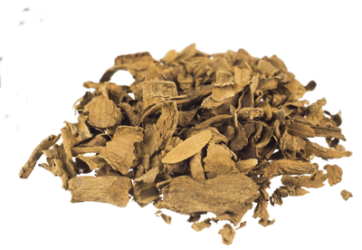
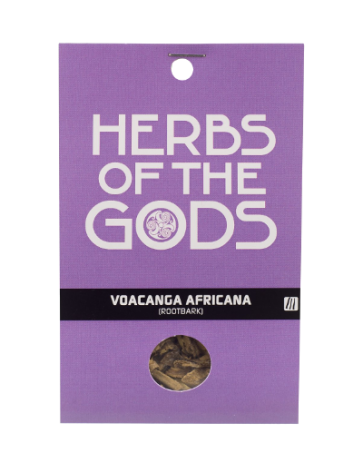
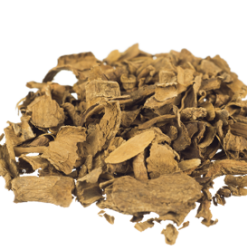
Voacanga africana | Voacanga africana | 20 grams
€13,95
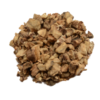
Voacanga Africana Rootbark contains the psychoactive substances voacangine and voccamine. These substances have stimulating, performance enhancing effects and can cause hallucinations in high doses. The Voacanga root bark is used as a hunting drug and stimulant. It’s also reported to be a potent aphrodisiac.
Voacanga africana Root Bark – 20 g
Contents
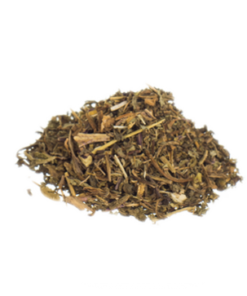
Contains 20 grams of Voacanga africana root bark in sealed packaging.
About Voacanga africana
Voacanga africana is a tropical African tree belonging to the Apocynaceae family. Its bark and seeds naturally contain a range of indole alkaloids, including voacangine and voacamine.
These compounds have attracted scientific interest because of their structural relationship to alkaloids found in other plants of the Apocynaceae family. However, research into Voacanga africana is still limited, and its traditional uses should not be confused with established medical benefits.
The plant may produce psychoactive and stimulating effects, while individual responses can vary considerably. Because some of its constituents may influence the cardiovascular and nervous systems, this is not a suitable botanical for casual experimentation.
Traditional Background
Voacanga africana has a long history of use in parts of West and Central Africa. Traditional practices have included preparations of the bark and seeds for ceremonial, spiritual and medicinal purposes.
The plant has also been associated with traditional initiation ceremonies and visionary practices. In some communities, preparations made from Voacanga were used in connection with hunting and other activities where increased alertness and endurance were traditionally valued.
Specific preparation methods have historically varied between communities, and much of the traditional knowledge surrounding the plant has been passed down privately rather than extensively documented.
Traditional Herbal Uses
Different parts of Voacanga africana have been used traditionally for a variety of purposes. In some regions, preparations from the plant have been associated with:
- Traditional ceremonial practices
- Herbal preparations for general wellbeing
- Traditional approaches to fatigue
- External preparations involving the plant’s latex or other parts
These applications form part of traditional ethnobotanical knowledge and should not be interpreted as proven treatments for medical conditions.
Active Plant Constituents
The root bark contains naturally occurring indole alkaloids, with voacangine and voacamine among the compounds that have been identified in the plant.
Some of these constituents have chemical similarities to compounds found in Tabernanthe iboga. This has led to scientific interest in Voacanga as a subject of phytochemical and pharmacological research. However, evidence concerning its safety, effectiveness and potential therapeutic applications remains insufficient.
Safety Information
Voacanga africana should be treated with particular caution. Its alkaloids may have psychoactive and cardiovascular effects, and the composition of plant material can vary substantially between batches.
Do not use this product if you are pregnant or breastfeeding. People with heart, blood-pressure, neurological or psychiatric conditions should avoid it unless specifically advised otherwise by a qualified healthcare professional.
It may also interact with medicines and other psychoactive substances. Do not combine Voacanga africana with alcohol, recreational drugs or prescription medicines without first obtaining professional medical advice. Do not drive, cycle or operate machinery after consuming psychoactive botanical products.
If you take regular medication or have any underlying health condition, speak with a doctor or pharmacist before considering use.
Botanical Information
| Specification | Details |
|---|---|
| Common name | Voacanga |
| Botanical name | Voacanga africana |
| Family | Apocynaceae |
| Plant part | Root bark |
| Form | Dried root bark |
| Net quantity | 20 g |
| Notable constituents | Voacangine, voacamine and other indole alkaloids |
| Traditional origin | West and Central Africa |
Storage
Keep the packaging tightly sealed in a cool, dry place, protected from heat, moisture and direct sunlight. Store securely and keep out of reach of children and animals.
Important Note
This product is presented as a botanical specimen and for ethnobotanical interest. Voacanga africana is not a medicine and should not be used as a substitute for professional medical treatment. Research into its pharmacological properties and long-term safety remains limited.
Be the first to review “Voacanga africana | Voacanga africana | 20 grams”
Related products
Ayahuasca Herbs
Ayahuasca Herbs

Herbs
Ayahuasca Herbs
Reviews
There are no reviews yet.