
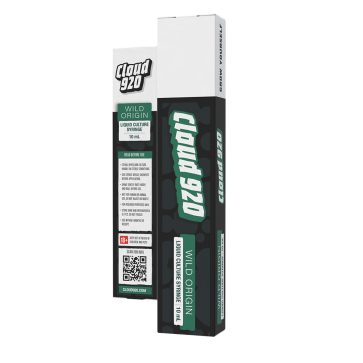
About the Popocatépetl Liquid Culture
The Popocatépetl liquid culture is a Cloud920 isolate of Psilocybe zapotecorum, a species distinct from Psilocybe cubensis. Associated with wild collections from the mountainous regions surrounding Popocatépetl in Mexico, this species is recognised for its distinctive morphology, strong blue bruising and preference for cool, wooded natural environments.
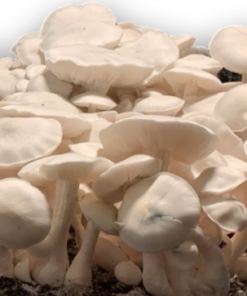
Unlike the familiar cubensis group, P. zapotecorum belongs to a different ecological and taxonomic profile. Its large fruiting bodies, elongated stems and characteristic colouring make it particularly interesting for microscopy and mycological research.
Cloud920 places this P. zapotecorum isolate within its Wild Origin Series, which focuses on genetics associated with naturally occurring populations and their regional characteristics. It forms part of the broader Cloud920 liquid culture syringe range.
The Species — Psilocybe zapotecorum
Psilocybe zapotecorum was described by Roger Heim and R. Gordon Wasson in 1956. The species name references the Zapotec peoples of Mexico and reflects its historical association with the region.
From a mycological perspective, P. zapotecorum differs considerably from P. cubensis. It is associated with wooded, humid environments rather than the pasture habitats commonly linked with cubensis. Its caps can display reddish-brown to beige tones depending on moisture and maturity, while the stems may become notably elongated and develop a characteristic rooting structure.
Another striking feature is its pronounced blue bruising, which can become particularly intense after handling. The spore deposit is generally described as dark purplish-brown.
Origin of the Popocatépetl Isolate
The Popocatépetl isolate is associated with wild Psilocybe zapotecorum populations from the mountainous environment around the Popocatépetl region of Mexico.
Popocatépetl is one of Mexico’s most prominent volcanic landmarks, situated in a high-elevation landscape where cooler temperatures, humidity and wooded habitats create conditions markedly different from those associated with lowland P. cubensis populations.
This geographical background is an important part of the isolate’s identity and explains its inclusion in Cloud920’s Wild Origin Series.
What Makes Popocatépetl Distinctive?
The Popocatépetl isolate stands out primarily because it represents a non-cubensis Psilocybe species with a markedly different natural morphology.
Key characteristics include:
- Large, variable caps with hygrophanous colouring
- Long, distinctive stems
- Pronounced blue bruising
- Dark purplish-brown spore deposits
- Association with cool, humid woodland environments
- A natural distribution centred on Mexico and parts of Central America
- Morphology that differs substantially from conventional cubensis varieties
These characteristics make the isolate particularly interesting for comparative microscopy and species-level mycological study.
Potency and Chemical Profile
Published research has reported comparatively high concentrations of psilocybin and related tryptamines in Psilocybe zapotecorum. Some laboratory analyses have recorded psilocybin concentrations considerably above those commonly reported for P. cubensis.
However, published figures represent species-level observations rather than a guaranteed chemical profile for this particular Cloud920 isolate. Alkaloid concentrations can vary between specimens and samples, so laboratory measurements should not be interpreted as a fixed characteristic of every culture.
For responsible research purposes, independent analytical testing remains the most reliable way to establish the chemical composition of an individual sample.
What You Receive
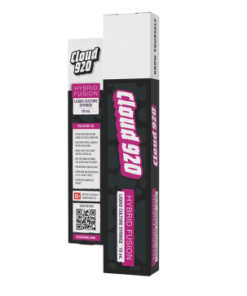
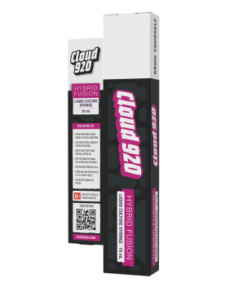
The Cloud920 Popocatépetl liquid culture is supplied as a 10cc liquid culture syringe containing Psilocybe zapotecorum mycelium.
Each Cloud920 batch is produced under controlled laboratory conditions and undergoes quality-control checks relating to viability, sterility and mycelial morphology before packaging.
The product is intended for microscopy and mycological research purposes only.
Microscopy and Research Use Only
This Psilocybe zapotecorum Popocatépetl liquid culture is supplied exclusively for microscopy and mycological research.
Laws concerning psilocybin-producing fungi, cultures and related materials vary considerably between countries and regions. Always check the legislation applicable to your location before purchasing, possessing or using any research material.
Frequently Asked Questions
Is Popocatépetl a Psilocybe cubensis strain?
No. Popocatépetl refers to a Psilocybe zapotecorum isolate, making it taxonomically distinct from P. cubensis. Its morphology and natural ecology also differ significantly from conventional cubensis varieties.
What makes Psilocybe zapotecorum interesting for microscopy?
The species has a distinctive combination of large caps, elongated stems, strong blue bruising and characteristic spore morphology. Its differences from P. cubensis make it particularly useful for comparative mycological observation.
Where does the Popocatépetl isolate originate?
The isolate is associated with wild P. zapotecorum populations from the mountainous region surrounding Popocatépetl in Mexico.
How should the Cloud920 syringe be stored?
For laboratory storage, follow the storage conditions and shelf-life information supplied on the product label. Keep the sealed syringe protected from direct light and avoid freezing.
Why is the product labelled for microscopy and mycological research?
Because Psilocybe species containing psilocybin are regulated in numerous jurisdictions. The product is therefore marketed specifically for legitimate microscopy and mycological research, subject to applicable local legislation.
Is the Cloud920 culture quality checked?
Cloud920 states that its batches undergo controlled laboratory quality checks covering factors such as viability, sterility and mycelial morphology before the culture is filled and sealed.
Be the first to review “Psilocybe Zapotecorum ‘Popocatépetl Volcano’ Liquid Culture – Cloud920”
Related products
Liquid Culture Syringes
Liquid Culture Syringes
Liquid Culture Syringes
Liquid Culture Syringes
Liquid Culture Syringes
Liquid Culture Syringes
Liquid Culture Syringes
Liquid Culture Syringes
Reviews
There are no reviews yet.