
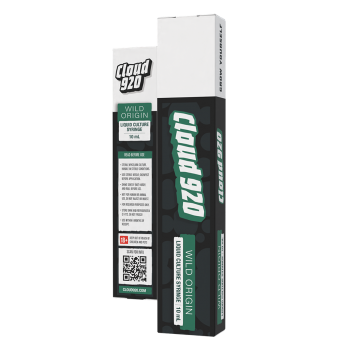
About the Psilocybe mexicana Jalisco Liquid Culture
The Psilocybe mexicana Jalisco liquid culture belongs to a species distinct from Psilocybe cubensis. It is associated with the Mexicanae section of the genus and originates from wild populations in Jalisco, Mexico.
One of its most notable characteristics is its ability to produce sclerotia — compact structures that develop underground and have historically attracted considerable interest in mycological research. The species is also associated with moist, moss-rich habitats at higher elevations, making its natural ecology quite different from that of many commonly studied P. cubensis populations.
Cloud920 places this isolate within its Wild Origin Series, representing material associated with naturally occurring populations and their regional genetic characteristics.
Explore the wider Cloud920 liquid culture syringe range for additional non-cubensis research cultures.
The Species — Psilocybe mexicana
Psilocybe mexicana was formally described by Roger Heim in 1957, with subsequent taxonomic work associated with mycologist Gastón Guzmán.
Unlike P. cubensis, which is commonly associated with animal-associated habitats, P. mexicana is linked to humid mountain meadows, mossy areas and woodland margins.
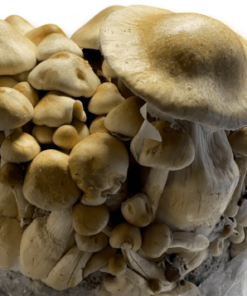
Its fruiting bodies are relatively small, with caps generally described as conical to bell-shaped and featuring a noticeable central papilla. Colours can range from ochre and tan through to pale straw shades.
The mycelium is often delicate and filamentous rather than displaying the dense, strongly rhizomorphic appearance commonly associated with cubensis.
Spore prints are typically dark purple-brown. The species is particularly interesting because it can produce both conventional fruiting bodies and sclerotial structures, although the expression of these characteristics can vary.
Origin of the Jalisco Isolate
The Jalisco lineage is associated with wild populations from Jalisco state in western Mexico, including areas surrounding the highland region near Guadalajara.
The region’s seasonal humidity and elevated terrain provide a markedly different ecological setting from the lowland environments associated with many other Psilocybe species.
Jalisco material has circulated within mycological and microscopy communities for many years, making it a recognised example of non-cubensis Psilocybe genetics.
P. mexicana also has an important place in the ethnomycological literature of Mexico, with historical documentation connecting related Psilocybe species to Indigenous ceremonial and cultural traditions.
The Cloud920 product, however, is supplied strictly for microscopy and mycological research.
Characteristics Compared with P. cubensis
One of the most interesting aspects of P. mexicana is how different its biology and appearance can be from the familiar P. cubensis profile.
The species generally displays more delicate mycelial structures and considerably smaller fruiting bodies. Its natural association with elevated, humid and moss-rich environments also provides an interesting contrast to the ecology of many cubensis populations.
Because P. mexicana is less commonly encountered in commercial microscopy collections, authenticated material can be particularly interesting for researchers comparing different Psilocybe species and their morphological characteristics.
For another non-cubensis culture, see the Panaeolus cyanescens Hawaii liquid culture.
Psilocybe mexicana Jalisco Potency Profile
Published research has investigated the alkaloid composition of P. mexicana, including its sclerotial structures. However, available measurements are species-level observations rather than laboratory results for this specific Jalisco isolate.
One peer-reviewed study has reported psilocybin concentrations of up to approximately 0.65% of dry weight in sclerotia. This figure should not be interpreted as a guaranteed value for the Cloud920 culture or for individual specimens.
Chemical composition can vary considerably between samples, and direct comparisons between different Psilocybe species are not always straightforward because alkaloid distribution and biological characteristics differ.
What You Receive in Your Cloud920 Syringe
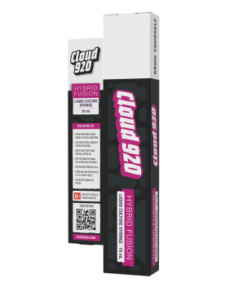
The Cloud920 product contains one 10 cc liquid culture syringe containing Psilocybe mexicana Jalisco mycelium and supplied with a sterile needle.
Cloud920 describes this as a comparatively uncommon non-cubensis research culture. According to the manufacturer, production batches undergo quality-control checks covering factors such as viability, sterility and mycelial morphology under controlled laboratory conditions.
For microscopy equipment and research accessories, see the laboratory supplies section.
Storage and Handling
Follow the storage instructions supplied with the product and printed on its label.
The syringe should be kept upright, protected from direct light and extreme temperatures, and stored according to the manufacturer’s stated conditions. Avoid freezing and observe the recommended shelf life.
For microscopy and laboratory research, appropriate sterile handling and good laboratory hygiene should always be maintained.
Microscopy and Mycological Research Only
The Psilocybe mexicana Jalisco liquid culture is supplied for microscopy and mycological research purposes only.
The legal status of Psilocybe species and psilocybin-producing fungi varies considerably throughout Europe and elsewhere. Possession, cultivation and distribution may be restricted or prohibited depending on local legislation.
Always check the laws applicable in your country before purchasing, possessing or using this type of research material.
Frequently Asked Questions
Is Psilocybe mexicana the same species as P. cubensis?
No. Psilocybe mexicana and Psilocybe cubensis are separate species with different ecological associations, morphology and genetic backgrounds.
What makes Psilocybe mexicana particularly interesting?
The species is notable for its small fruiting bodies, delicate mycelium, association with highland Mexican habitats and ability to form sclerotia. These characteristics make it an interesting subject for comparative mycological research.
Where does the Jalisco lineage originate?
The lineage is associated with wild populations in Jalisco, Mexico, particularly the region’s higher-elevation environments. Its natural habitat differs considerably from the environments typically associated with P. cubensis.
What are sclerotia?
Sclerotia are compact fungal structures that develop underground and can function as long-term survival structures. P. mexicana is among the Psilocybe species known for producing them, making the species particularly interesting from a biological perspective.
How is liquid culture different from a spore syringe?
A spore syringe contains fungal spores, whereas liquid culture contains established mycelium suspended in a liquid medium. They are therefore different forms of material used in microscopy and mycological research.
How should I store the Cloud920 syringe?
Follow the manufacturer’s storage instructions and the information printed on the product label. Keep the syringe upright, protected from direct light and extreme temperatures, and use it within the stated shelf life.
Why does the product state “for microscopy and mycological research”?
Regulations concerning psilocybin-producing fungi differ substantially between European countries and other jurisdictions. Some locations restrict or prohibit possession, cultivation or distribution. This product is therefore supplied for microscopy and mycological research purposes only. Verify the legislation applicable in your location before use.
Is the Cloud920 culture laboratory verified?
Cloud920 states that its cultures are produced under controlled laboratory conditions and undergo quality-control checks relating to viability, sterility and morphology before the syringe is sealed and supplied.
Be the first to review “Psilocybe mexicana “Jalisco” Liquid Culture – Cloud920”
Related products
Liquid Culture Syringes
Liquid Culture Syringes
Liquid Culture Syringes
Liquid Culture Syringes
Liquid Culture Syringes
Liquid Culture Syringes
Liquid Culture Syringes
Liquid Culture Syringes
Reviews
There are no reviews yet.