
Mimosahuasca Kit | Syrian Rue & Mimosa Ayahuasca herbs
€7,95
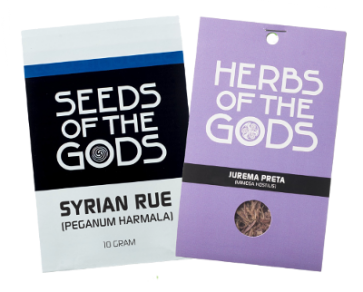
The Mimosahuasca recipe combines Mimosa hostilis and Syrian Rue, for an easier to make alternative to more traditional ayahuasca brews.
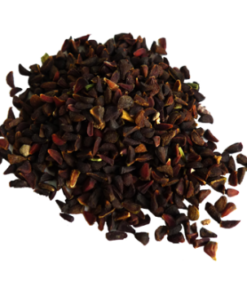
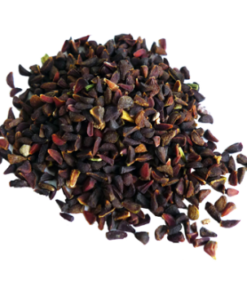
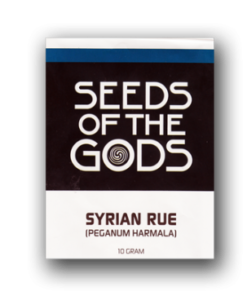
- MAO-i: Syrian Rue seeds | Peganum harmala | 10 grams
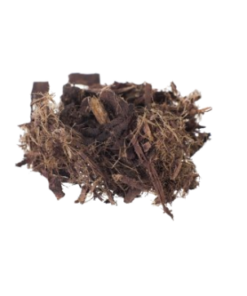
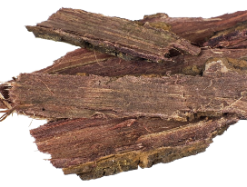
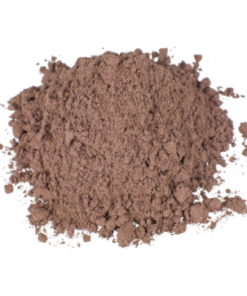
- DMT: Jurema Preta | Mimosa hostilis | Shredded | 10 grams
History
The Ayahuasca Pack (Mimosahuasca) brings together two botanicals associated with the long-standing cultural history of ayahuasca and related traditional plant practices in South America. Ayahuasca is an entheogenic preparation with deep roots in Amazonian ceremonial traditions, where it has historically been used in spiritual and ritual contexts.
The name Ayahuasca is commonly translated as “vine of the soul”. For generations, indigenous communities have incorporated ayahuasca traditions into ceremonies connected with spirituality, ancestral practices and traditional healing.
Contents of the Ayahuasca Pack (Mimosahuasca)
This pack contains two separately packaged botanical ingredients traditionally associated with Mimosahuasca:
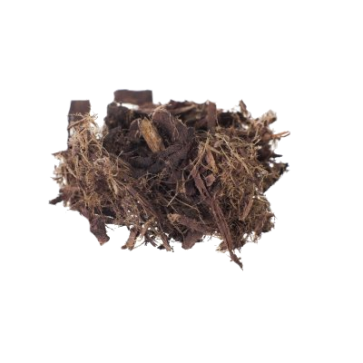
- 10 g shredded Mimosa Hostilis root bark, also known as Jurema Preta
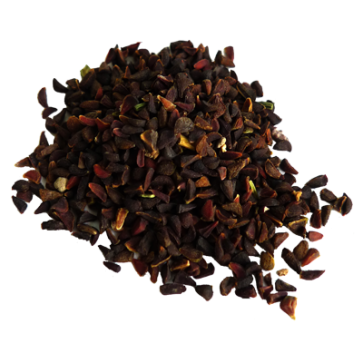
- 10 g Syrian Rue seeds
Mimosa Hostilis and Syrian Rue have been used together in some modern ayahuasca analogues, commonly referred to as Mimosahuasca. The combination differs from traditional ayahuasca preparations, which may use different botanical ingredients.
About Mimosa Hostilis
Mimosa Hostilis, also known as Mimosa tenuiflora or Jurema Preta, is a thorny tree belonging to the Fabaceae family. It is native to parts of South and Central America and has a long history of cultural significance, particularly in northeastern Brazil.
Its dark, durable bark has traditionally been valued for a variety of purposes, while Jurema-related plant traditions have played a role in regional ceremonial practices.
About Syrian Rue
Syrian Rue (Peganum harmala) is a perennial plant native to regions spanning North Africa, the Middle East and parts of Asia. Its seeds have a long history in traditional herbal and cultural practices.
The plant contains naturally occurring beta-carboline alkaloids that can interact with monoamine oxidase. Because of these pharmacological properties, Syrian Rue can present significant risks when combined with certain medicines, supplements or other psychoactive substances.
Traditional and Cultural Context
Ayahuasca-related traditions are deeply connected to the cultural heritage of Amazonian communities. Ceremonial use has historically taken place under the guidance of experienced practitioners rather than as an unsupervised recreational activity.
Mimosahuasca is a modern term generally used for preparations involving Mimosa Hostilis and Syrian Rue rather than the traditional ayahuasca combination. The two should therefore not be considered interchangeable.
Important Safety Information
Ayahuasca and Mimosahuasca preparations can produce intense psychological and physical effects. Reported adverse effects may include nausea, vomiting, diarrhoea, dizziness, increased blood pressure and changes in perception.
The MAO-inhibiting properties associated with Syrian Rue can create potentially dangerous interactions with prescription medicines, particularly certain antidepressants and other substances affecting serotonin or monoamine metabolism.
Do not combine MAO-inhibiting botanicals with medicines or psychoactive substances without advice from a qualified healthcare professional. People who are pregnant or breastfeeding, have cardiovascular or psychiatric conditions, or take regular medication should seek appropriate medical advice before considering products containing these botanicals.
Never drive, cycle in traffic or operate machinery after consuming psychoactive substances.
Legal Considerations
The legal status of Mimosa Hostilis, Syrian Rue, their constituents and preparations made from them varies considerably between European countries and may also depend on intended use. Customers are responsible for checking the regulations applicable in their own country before purchasing, possessing or using these botanicals.
Pack Contents
- Mimosa Hostilis (Jurema Preta) root bark: 10 g, shredded
- Syrian Rue seeds: 10 g
- Both botanicals supplied in separate packaging
Responsible Use
This product description is provided for botanical, cultural and educational information. Because the ingredients can have pharmacological effects and may interact with medicines or other substances, professional medical advice should be sought where appropriate. Always research the applicable laws and potential health risks before handling botanicals with psychoactive or MAO-inhibiting properties.
Be the first to review “Mimosahuasca Kit | Syrian Rue & Mimosa Ayahuasca herbs”
Related products
Ayahuasca Herbs
Ayahuasca Herbs
Ayahuasca Herbs
Ayahuasca Herbs
Ayahuasca Herbs
Ayahuasca Herbs
Ayahuasca Herbs
Ayahuasca Herbs
Reviews
There are no reviews yet.