

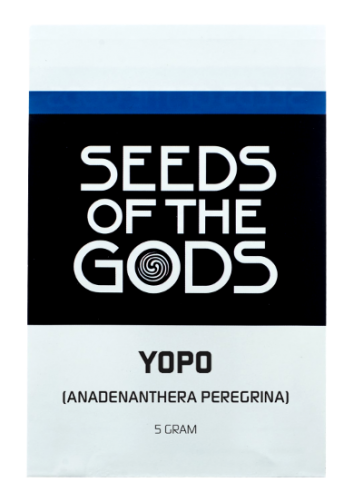


Yopo Seeds (Anadenanthera peregrina)
Yopo is a South American tree traditionally associated with Indigenous ceremonial practices. Its seeds contain naturally occurring psychoactive alkaloids, including N,N-DMT, 5-MeO-DMT and bufotenine. Because of this chemical profile, Yopo has a long history of ethnobotanical and ritual use and is regarded as a potent psychoactive plant material.
Product Contents
- 5 g of Yopo seeds
- Hermetically sealed packaging
- Botanical name: Anadenanthera peregrina
About Yopo
Yopo, scientifically known as Anadenanthera peregrina, belongs to the Fabaceae family. The species is native to tropical and subtropical regions of South America and is particularly associated with areas of Brazil, Colombia, Venezuela and Peru.
Unlike many rainforest species, Yopo is commonly found in more open environments, including savannahs, grasslands and other relatively dry habitats. Mature trees can grow to considerable heights and are recognisable by their distinctive bark and finely divided, green leaves.
Naturally Occurring Compounds
Yopo seeds are notable for their naturally occurring alkaloid profile. Botanical and ethnobotanical literature has identified compounds including:
- N,N-DMT
- 5-MeO-DMT
- Bufotenine
The concentration and composition of these compounds can vary according to the plant, geographical origin, growing conditions and individual seed batch.
Traditional Use and Cultural History
Yopo has a long-standing history among Indigenous communities in parts of South America. Traditionally, preparations made from the seeds have been associated with ceremonial and shamanic practices.
Historical accounts describe its use during rituals intended to facilitate visionary experiences, spiritual reflection and communication with the supernatural world. Some traditional practitioners also associated Yopo with divination and other ceremonial activities.
The seeds are sometimes discussed alongside other South American ethnobotanicals, including Cebil and ayahuasca, although these plants have different botanical identities and chemical profiles.
Reported Effects
Because Yopo contains psychoactive tryptamine alkaloids, its use can produce profound changes in perception and consciousness. Reported experiences may include:
- Intense visual phenomena
- Altered perception of time and space
- Unusual sensory experiences
- Changes in self-perception
- Feelings of euphoria or emotional intensity
- Experiences interpreted as spiritual or visionary
The experience can be highly unpredictable and may also involve fear, confusion or anxiety.
Physical reactions reported in connection with Yopo include nausea, dizziness, headache, stomach discomfort and vomiting.
Important Safety Information
Yopo is a potent psychoactive botanical and should not be regarded as an ordinary herbal product. Its effects can vary significantly between individuals and between batches of plant material.
Avoid combining Yopo with medicines or other psychoactive substances, particularly substances that affect serotonin or monoamine oxidase, unless you have obtained appropriate medical advice. People with cardiovascular or psychiatric conditions should consult a qualified healthcare professional before considering exposure to psychoactive substances.
Do not drive, cycle in traffic or operate machinery following psychoactive substance use.
Always check the laws applicable in your country before purchasing, possessing, cultivating or using Yopo. Regulations concerning plants containing controlled psychoactive compounds vary considerably across Europe and elsewhere.
Yopo Cultivation
In its natural environment, Anadenanthera peregrina favours warm climates and relatively open habitats rather than dense rainforest. It can develop into a large tree under suitable tropical conditions.
Outside its native range, successful cultivation can be challenging because the species requires appropriate warmth, light, drainage and humidity. Anyone interested in growing Yopo for botanical purposes should research the environmental requirements of the species and check local regulations before obtaining seeds.
Ethnobotanical Significance
Yopo represents an important example of the relationship between plants and traditional knowledge in South America. Its historical significance extends beyond its chemistry, reflecting centuries of Indigenous knowledge surrounding plant identification, preparation and ceremonial use.
The species continues to attract interest from botanists, ethnobotanists and researchers studying traditional plant practices and naturally occurring psychoactive compounds.
About the Producer
Herbs of the Gods has been collecting and supplying botanical materials since 1999. Its seed range focuses on unusual and historically significant plants from different parts of the world, providing products of interest to collectors, gardeners and ethnobotanical enthusiasts.
Product Summary
- Product: Yopo Seeds
- Botanical name: Anadenanthera peregrina
- Quantity: 5 g
- Packaging: Hermetically sealed
- Category: Ethnobotanical seeds
For botanical and ethnobotanical interest. Not intended as a recommendation for psychoactive use. Check all applicable local laws before purchase or cultivation.
Be the first to review “Yopo seeds | Anadenanthera peregrina – Seeds of the Gods”
Related products
Ayahuasca Herbs

Ayahuasca Herbs
Ayahuasca Herbs




Ayahuasca Herbs
Reviews
There are no reviews yet.