

Hillbilly Pumpkin Liquid Culture – Cloud920
€19,95
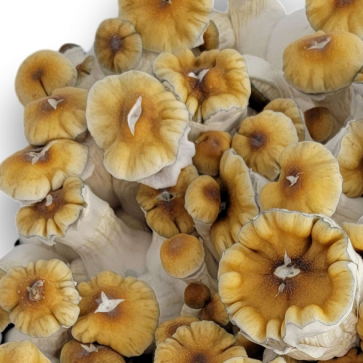
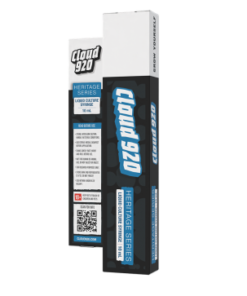
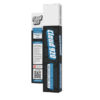
The Cloud920 Hillbilly Pumpkin liquid culture syringe delivers 10cc of QC-verified Psilocybe cubensis mycelium — a Heritage Series isolate selected by cultivator Mycology Mage from the Arkansas-origin Hillbilly strain, recognized for its rust-orange pumpkin-coloured caps, chunky stems and fast colonization. Sold for microscopy and mycological research.
About the Hillbilly Pumpkin Liquid Culture
Hillbilly Pumpkin is a Heritage Series isolate of Psilocybe cubensis associated with the Arkansas-origin Hillbilly lineage. The phenotype was reportedly selected by the cultivator known as Mycology Mage from material distributed by Basidium Equilibrium, with particular attention given to its substantial fruiting form and distinctive cap pigmentation.
The name Hillbilly Pumpkin comes from its characteristic caramel, orange-brown and rust-toned colouration, which can resemble the appearance of a ripe pumpkin. This unusual visual feature makes the lineage easy to distinguish from many other Heritage varieties.
Cloud920 maintains the Hillbilly Pumpkin lineage under controlled laboratory conditions. It forms part of the Cloud920 cubensis liquid culture range.
Origin and History of Hillbilly Pumpkin
The broader Hillbilly lineage is generally traced to Arkansas and the late 1990s. Historical accounts associate the name with a Mycotopia community member known as “Hillbilly”, who reportedly worked with wild Arkansas P. cubensis material.
Hillbilly Pumpkin represents a later phenotype selection from this genetic background. Mycology Mage is credited within community accounts with selecting a particularly substantial phenotype featuring thicker stems and pronounced cap colouration. Basidium Equilibrium subsequently helped distribute the selected material.
Documentation relating specifically to the Pumpkin phenotype became more visible within online mycology communities from around 2022 onwards. The result is a Heritage lineage combining an older Arkansas-associated background with later community selection for distinctive morphological traits.
What Makes Hillbilly Pumpkin Distinctive?
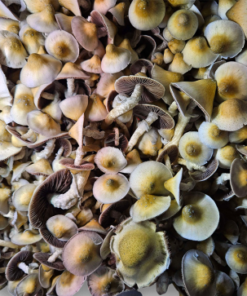
The most noticeable characteristic of Hillbilly Pumpkin is its pumpkin-like cap colouration. Mature specimens are commonly described in shades ranging from caramel and orange-brown to deeper rust tones.
The stems are typically characterised as thick, dense and substantial, contributing to the chunky overall appearance associated with the selected phenotype. Blue bruising may become visible following handling, while mature spore prints are generally described as purple-brown.
For microscopy purposes, the combination of warm orange-toned caps and pronounced stem structure provides Hillbilly Pumpkin with a distinctive visual identity.
For comparison with another established Heritage lineage known for a different morphological profile, see the McKennaii liquid culture.
Hillbilly Pumpkin Potency Profile
There is currently no direct, independently verified laboratory potency dataset specifically covering the Hillbilly Pumpkin phenotype.
The broader Hillbilly lineage has appeared in analytical testing, including an Oakland Hyphae Psilocybin Cup result reporting approximately 0.49% total tryptamines by dry weight. This figure should not be interpreted as representative of every Hillbilly Pumpkin specimen.
Whether the later Pumpkin phenotype selection produces any meaningful difference in alkaloid composition has not been established. As with other P. cubensis material, chemical composition can vary between individual specimens and batches.
What You Receive in Your Cloud920 Syringe
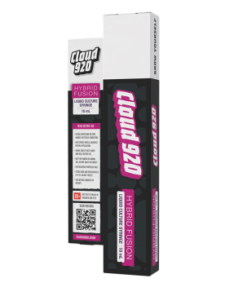
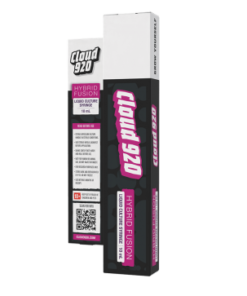
Each product contains one 10 cc Cloud920 Hillbilly Pumpkin liquid culture syringe, supplied with a sterile needle.
The syringe contains Hillbilly Pumpkin mycelium suspended in Cloud920’s nutrient medium. Cloud920 states that its cultures are produced in controlled laboratory conditions, with quality-control procedures covering characteristics such as viability, sterility and morphology.
Storage and Handling
Keep the syringe upright and follow the storage conditions supplied on the product label.
Protect the culture from direct light, excessive heat and freezing temperatures. For microscopy and laboratory research, appropriate sterile handling and good laboratory hygiene should always be observed.
Microscopy and Mycological Research Only
Hillbilly Pumpkin liquid culture is supplied strictly for microscopy and mycological research purposes.
Legislation relating to Psilocybe species and psilocybin-producing fungi varies significantly throughout Europe and other jurisdictions. Possession, cultivation or distribution may be restricted or prohibited depending on local law.
Always check the legislation applicable in your country before purchasing, possessing or using this type of research material.
Frequently Asked Questions
What is the origin of Hillbilly Pumpkin?
Hillbilly Pumpkin is associated with the Arkansas-origin Hillbilly lineage. Community accounts attribute the later Pumpkin phenotype selection to Mycology Mage, who worked with material distributed by Basidium Equilibrium.
What makes Hillbilly Pumpkin visually different?
Its most recognisable feature is the warm pumpkin-like cap colour, ranging from caramel and orange-brown to rust. Thick stems and purple-brown spore prints are also commonly associated with descriptions of the phenotype.
How is liquid culture different from a spore syringe?
A spore syringe contains fungal spores, while liquid culture contains established mycelium suspended in a liquid medium. These are different forms of fungal research material with distinct applications in microscopy and mycological research.
How should I store the Cloud920 syringe?
Follow the storage instructions supplied with the product. Keep the syringe upright, protected from direct light and extreme temperatures, and use it within the stated shelf life.
Why does the product state “for microscopy and mycological research”?
The legal status of psilocybin-producing fungi varies between countries and regions. Certain jurisdictions prohibit or restrict their possession, cultivation or distribution. The product is therefore supplied for microscopy and mycological research purposes only. Verify the laws applicable in your location before use.
Is the Cloud920 Hillbilly Pumpkin culture laboratory verified?
Cloud920 states that its liquid cultures are produced under controlled laboratory conditions and undergo quality-control checks relating to viability, sterility and morphology before being supplied. For current batch information, storage requirements and product specifications, refer to the documentation accompanying the product.
Be the first to review “Hillbilly Pumpkin Liquid Culture – Cloud920”
Related products
Liquid Culture Syringes
Liquid Culture Syringes
Liquid Culture Syringes
Liquid Culture Syringes
Liquid Culture Syringes
Liquid Culture Syringes
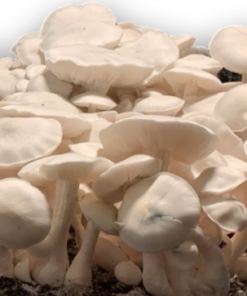
Liquid Culture Syringes
Liquid Culture Syringes
Reviews
There are no reviews yet.