
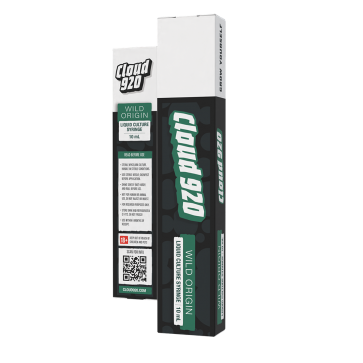
About the Panaeolus cyanescens Jamaica Liquid Culture
The Panaeolus cyanescens Jamaica liquid culture represents a Caribbean geographical form of Panaeolus cyanescens, a species distinct from the more familiar Psilocybe cubensis.
Associated with tropical Jamaican pasture environments, this lineage is of particular interest to mycology enthusiasts because of its regional origin and characteristic Panaeolus morphology. The Jamaica and Hawaii forms belong to the same species, although they are associated with different geographical populations.
The species was historically marketed under the name Copelandia, an older taxonomic designation that is no longer generally used for this group. Two particularly useful features distinguish P. cyanescens from typical cubensis cultures: its jet-black spore print and its pronounced blue colouration following tissue damage.
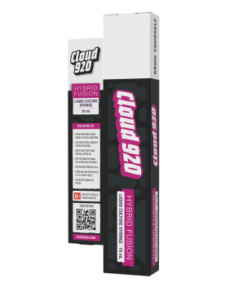
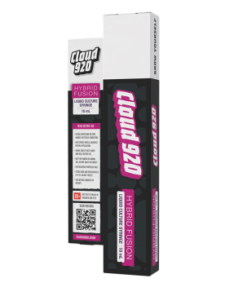
Cloud920 supplies the Jamaica isolate as a 10 cc liquid culture syringe and classifies it within its Wild Origin series, which focuses on cultures connected with naturally occurring geographical populations.
The Species — Panaeolus cyanescens in the Caribbean
Panaeolus cyanescens has a broad tropical distribution that includes parts of the Caribbean. In Jamaica, the species is associated with livestock and pasture environments where dung-rich habitats provide its characteristic ecological niche.
The warm, humid climate of the region is consistent with the species’ tropical distribution. Jamaican populations are therefore particularly interesting from a geographical and ecological perspective.
The Jamaica form should not be regarded as a separate species from the Hawaii form. Both are Panaeolus cyanescens, although geographical populations may display differences in morphology or genetic characteristics.
Taxonomically, Panaeolus belongs to the family Bolbitiaceae, distinguishing it from Psilocybe, which belongs to a different fungal family.
Origin of the Jamaica Isolate
Panaeolus cyanescens has been documented in Jamaica and other Caribbean locations, particularly in areas associated with livestock and pastureland.
Jamaican isolates have circulated among mycology communities for several decades and became known alongside other recognised geographical forms, including the Hawaiian lineage.
The Jamaica isolate is of interest because it represents the Caribbean side of the species’ wider tropical distribution. However, independently verified laboratory data specifically comparing the Jamaica isolate with other geographical forms remains limited.
For that reason, claims of unique potency or performance should be treated cautiously unless supported by independent testing.
Distinctive Characteristics
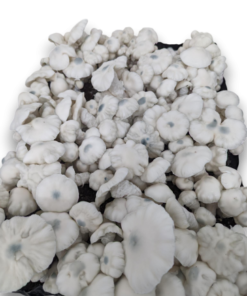
The Jamaica form shares the characteristic morphology associated with Panaeolus cyanescens.
Typical features include:
- Small, delicate caps with rounded, conical or bell-shaped profiles
- Pale brown, tan or whitish colouration that can change with maturity
- Slender, elongated stems
- Noticeable blue colour changes following tissue damage
- A distinctive black spore print
- A strong association with warm, tropical and dung-rich habitats
These features provide useful points of comparison with Psilocybe cubensis, whose mature spore prints are generally dark purple-brown rather than jet black.
Panaeolus cyanescens Jamaica Potency Profile
There is currently no reliable, independently verified potency analysis establishing the Jamaica isolate as a distinct potency profile.
Historical species-level analytical data has reported measurable concentrations of psilocybin and psilocin in Panaeolus cyanescens. However, results can vary significantly depending on genetics, individual specimens, environmental conditions, sample preparation and analytical methodology.
Consequently, historical figures should not be interpreted as a guaranteed specification for the Cloud920 Jamaica culture.
Community comparisons describing P. cyanescens as considerably stronger than cubensis should likewise be regarded as anecdotal rather than a scientifically validated potency equivalence.
There is no reliable evidence establishing that the Jamaica isolate is inherently stronger or weaker than the Hawaii form, so no such distinction is claimed here.
What You Receive in Your Cloud920 Syringe
Each product contains one 10 cc Cloud920 Panaeolus cyanescens Jamaica liquid culture syringe, supplied with a sterile needle.
The culture contains laboratory-maintained mycelial material suspended in a liquid medium. Cloud920 states that every batch undergoes quality-control checks relating to factors such as viability, sterility and morphology before being filled and sealed.
As a geographically associated Panaeolus culture, it may be of particular interest to researchers comparing tropical fungal populations and different Psilocybe-related genera.
Storage Information
Store the syringe according to the manufacturer’s current instructions supplied with the product. Keep it protected from direct light, excessive heat and freezing conditions, and observe the shelf-life information printed on the packaging.
Microscopy and Mycological Research Only
This Panaeolus cyanescens Jamaica liquid culture is supplied exclusively for microscopy and mycological research purposes.
The species may contain psilocybin, psilocin and other controlled compounds. Laws governing the possession, handling, cultivation and production of psychoactive fungi differ substantially between countries and regions.
Always verify the legislation applicable in your jurisdiction before purchasing, possessing or using this product.
Frequently Asked Questions
Is Panaeolus cyanescens Jamaica the same species as the Hawaii variety?
Yes. Both are forms of Panaeolus cyanescens. The names Jamaica and Hawaii refer to their associated geographical backgrounds rather than separate species.
Is Panaeolus cyanescens the same as Psilocybe cubensis?
No. They belong to different genera and have distinct taxonomic and morphological characteristics. P. cyanescens is also readily distinguished by its black spore print and slender morphology.
What was Copelandia?
Copelandia is an older name historically used for Panaeolus cyanescens and related fungi. It is now generally regarded as a deprecated taxonomic designation.
How can this species be distinguished from cubensis?
The most obvious characteristics include its delicate, slender morphology, strong blue colour changes and especially its jet-black spore print. Cubensis typically produces a dark purple-brown spore print.
Is the Jamaica isolate more potent than the Hawaii isolate?
There is no sufficiently reliable independent evidence demonstrating a consistent potency difference between the two geographical forms. Any claims that one is definitively stronger should therefore be treated as unverified.
What is the difference between liquid culture and a spore syringe?
A liquid culture contains mycelial material suspended in liquid medium, whereas a spore syringe contains fungal spores. They represent different forms of mycological research material.
How should I store the Cloud920 syringe?
Follow the storage instructions provided on the product packaging. Protect the syringe from direct light, excessive temperatures and freezing conditions, and observe the stated shelf life.
Why is this product labelled for microscopy and mycological research?
Because Panaeolus cyanescens may contain controlled psychoactive substances, its legal status varies between jurisdictions. This product is therefore supplied for microscopy and mycological research purposes only.
Is the Cloud920 Jamaica culture laboratory verified?
Cloud920 states that its cultures are produced under controlled laboratory conditions and undergo quality-control checks concerning viability, sterility and morphology before the syringe is filled and sealed.
Be the first to review “Panaeolus cyanescens “Jamaica” Liquid Culture – Cloud920”
Related products
Liquid Culture Syringes
Liquid Culture Syringes
Liquid Culture Syringes
Liquid Culture Syringes
Liquid Culture Syringes
Liquid Culture Syringes
Liquid Culture Syringes
Liquid Culture Syringes
Reviews
There are no reviews yet.