
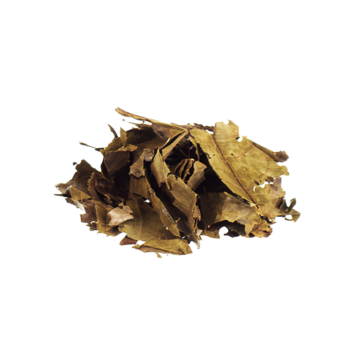
Chaliponga | Diplopterys Cabrerana | 20 Grams
€11,95
Chaliponga Diplopterys cabrerana is a psychedelic vine from the Amazon rainforest that contains high amounts of DMT.
The levaes of the Chaliponga vine are used in Ayahuasca brews. Ayahuasca induces a psychedelic, visionary state of mind and is used for medical and religious purposes.
Chaliponga (Diplopterys cabrerana) Leaves
Chaliponga, botanically known as Diplopterys cabrerana, is an Amazonian plant traditionally associated with ayahuasca practices. Its leaves and stems naturally contain a range of alkaloids, including N,N-DMT and other naturally occurring compounds. The plant is native to parts of the Amazon basin, including Brazil, Colombia, Ecuador and Peru.
Contents
- 20 g of dried Chaliponga (Diplopterys cabrerana) leaves
About Chaliponga
Diplopterys cabrerana is a climbing plant from the Amazon rainforest and is also known by names such as Chagropanga, Oco-yagé and Chaliponga. It has a long-standing connection with traditional South American plant practices and is particularly associated with ceremonial ayahuasca preparations.
The plant is notable for its naturally occurring tryptamine alkaloids. Chemical composition can vary considerably according to geographical origin, growing conditions, harvesting methods and storage.
Traditional and historical use
Chaliponga has traditionally been used in parts of the western Amazon as an admixture plant in ayahuasca preparations. Within these traditions, it has been associated with ceremonial, spiritual and visionary practices.
Historically, preparations involving Diplopterys cabrerana and Banisteriopsis caapi have been used by certain Indigenous and traditional communities in South America. These practices are culturally significant and have developed over generations.
The combination is sometimes described in traditional contexts using symbolic language relating to power, light and visionary experience.
Naturally occurring compounds
Research has identified several naturally occurring alkaloids in Diplopterys cabrerana, with reported concentrations varying between samples. These include:
- N,N-DMT
- 5-MeO-DMT
- Other naturally occurring beta-carboline and tryptamine-related compounds
The exact chemical profile should not be assumed to be identical between batches, as botanical material can differ substantially in alkaloid content.
Traditional relationship with Ayahuasca
Chaliponga is historically associated with ayahuasca, a traditional South American ceremonial beverage. Ayahuasca preparations commonly involve a DMT-containing plant together with a plant containing monoamine oxidase-inhibiting compounds. Because these combinations can produce powerful psychoactive effects and potentially dangerous interactions, ayahuasca should not be treated as an ordinary herbal infusion or food product.
Reported effects and risks
Preparations containing DMT may produce profound alterations in perception, cognition and consciousness. Reported experiences can include:
- Visual and sensory changes
- Altered perception of time and surroundings
- Intense emotional experiences
- Euphoria or distress
- Anxiety, fear or paranoia
Physical reactions may also occur, including:
- Nausea
- Vomiting
- Diarrhoea
- Dizziness
- Increased heart rate or blood pressure
The intensity and duration of effects can vary significantly between individuals and preparations.
Important safety information
Chaliponga contains psychoactive alkaloids and should not be considered suitable for casual experimentation. Combining DMT-containing plants with MAO-inhibiting substances can create potentially serious interactions with medicines and other substances.
Do not combine this botanical material with antidepressants, MAO inhibitors or other medicines without professional medical advice. People with cardiovascular or psychiatric conditions should seek medical guidance before exposure to psychoactive substances.
Do not drive, cycle in traffic or operate machinery after consuming psychoactive preparations.
Check the legislation in your country before purchasing, possessing or using Diplopterys cabrerana. Laws concerning DMT-containing plants and preparations vary between jurisdictions.
Botanical background
Diplopterys cabrerana belongs to the Malpighiaceae family and occurs naturally in humid tropical regions of South America. It is particularly associated with the Amazon basin and has been documented in countries including Peru, Ecuador, Colombia and Brazil.
The plant has several regional names, reflecting its diverse cultural and geographical history.
Common names
- Chaliponga
- Chagropanga
- Oco-yagé
- Cabrerana
- Huambisa
- Diplopterys cabrerana
Product information
- Botanical name: Diplopterys cabrerana
- Plant material: Dried leaves
- Net weight: 20 g
- Origin: Amazonian South America
- Traditional association: Ayahuasca and Amazonian ethnobotanical traditions
For botanical and ethnobotanical interest. Verify all applicable local regulations before purchase or use.
Be the first to review “Chaliponga | Diplopterys Cabrerana | 20 Grams”
Related products
Ayahuasca Herbs
Ayahuasca Herbs
Ayahuasca Herbs
Reviews
There are no reviews yet.