
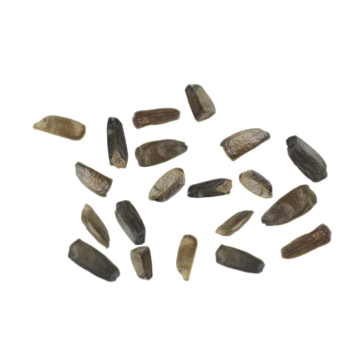
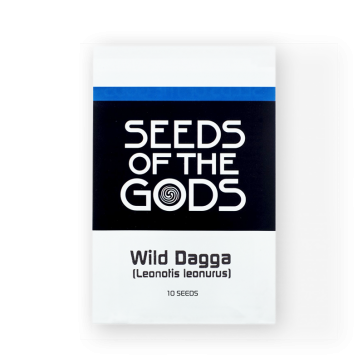
Wild Dagga seeds | Leonotis leonurus | 10 Seeds
€10,95
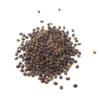
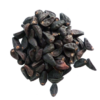
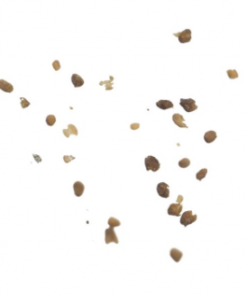
Wild Dagga seeds to grow a Wild Dagga shrub at home. The flowers of Wild Dagga contain leonurine, which has calming, mildly euphoric effects. Dried, these flowers can be smoked or used to brew tea. Wild Dagga is often used as an alternative for tobacco in joints with cannabis.
Wild Dagga seeds | Leonotis leonurus | 10 Seeds
Contents
This pack contains 10 Wild Dagga (Leonotis leonurus) seeds, supplied in hermetically sealed packaging.
About Wild Dagga
Wild Dagga, also known as Lion’s Tail, is a distinctive flowering shrub native to southern Africa. Leonotis leonurus belongs to the mint family, Lamiaceae, and is recognised for its attractive whorls of bright orange-red tubular flowers. The species is naturally distributed in southern Africa and is also cultivated as an ornamental plant in other parts of the world.
The plant has a long history of traditional use in southern African herbal practices. Its botanical character and colourful flowers have also made it a popular choice for gardeners looking to attract pollinating insects and birds.
Traditional Uses of Wild Dagga
Wild Dagga has been associated with traditional herbal practices in southern Africa for generations. Historical ethnobotanical accounts describe the use of different parts of the plant in traditional preparations.
The plant should not, however, be regarded as equivalent to cannabis. Claims that Wild Dagga produces cannabis-like effects or that it is a direct substitute for cannabis are not established by modern clinical evidence.
Traditional Preparation
Historically, Wild Dagga has been prepared in several ways, including as an herbal infusion. For a traditional-style tea, dried plant material may be steeped in hot water before being strained.
Because research into the plant’s pharmacological properties remains limited, there is insufficient evidence to establish reliable therapeutic effects or standard medicinal dosages. Concentrated preparations should therefore be approached with particular caution.
Cultivating Wild Dagga
Leonotis leonurus is a vigorous shrub that can reach approximately 1–2 metres under favourable growing conditions. It is adapted to the subtropical environments of southern Africa and generally performs best in warm conditions with good drainage.
For cultivation:
- Sow the seeds in fertile, well-drained growing medium.
- Place them somewhere warm and bright.
- Keep the growing medium lightly moist during germination.
- Protect young plants from prolonged cold and frost.
- Provide sufficient space for the shrub to develop.
- Reduce watering during cooler periods when plant growth slows.
In cooler European climates, growing Wild Dagga in a container can make it easier to protect the plant from winter temperatures. During summer, the plant can produce its characteristic colourful flowers, making it an attractive addition to balconies, patios and gardens.
The flowers are particularly appealing to wildlife, and the species is known for its ornamental value as well as its traditional significance.
Botanical History
Wild Dagga (Leonotis leonurus) is a member of the Lamiaceae family, which also includes familiar herbs such as mint, thyme and rosemary. Kew’s Plants of the World Online lists southern Africa as the species’ native range and confirms its classification within the genus Leonotis.
The genus Leonotis contains several species distributed across Africa and parts of the Indian subcontinent. L. leonurus is now cultivated in various parts of the world as an ornamental plant.
Traditional accounts from southern Africa associate Wild Dagga with herbal and ceremonial practices. These historical uses form part of the plant’s ethnobotanical heritage and should be distinguished from modern medical claims, which require appropriate scientific evidence.
Product Details
- Botanical name: Leonotis leonurus
- Common name: Wild Dagga / Lion’s Tail
- Contents: 10 seeds
- Packaging: Hermetically sealed
- Plant family: Lamiaceae
- Primary purpose: Cultivation and botanical interest
Safety Information
Keep seeds away from children and pets. Wild Dagga is not a substitute for prescribed medicines or professional medical treatment.
If you intend to consume any part of the plant or use it in a concentrated preparation, consult a qualified healthcare professional first, particularly if you take medication or have an existing medical condition.
Check the regulations applicable to Leonotis leonurus in your country before purchasing, cultivating or using the plant.
Be the first to review “Wild Dagga seeds | Leonotis leonurus | 10 Seeds”
Related products
Ayahuasca Herbs
Reviews
There are no reviews yet.