
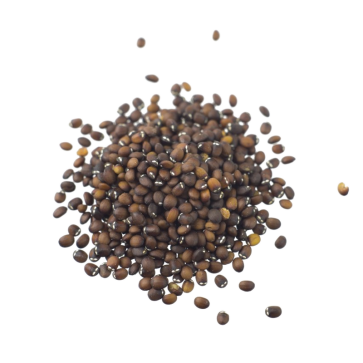
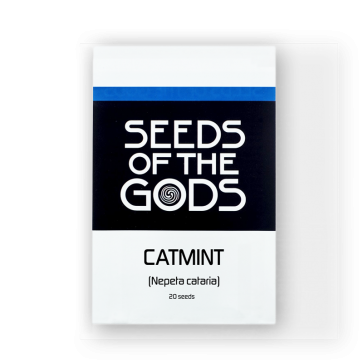
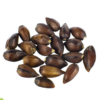
Catmint seeds | Nepeta cataria | 1 gram / 1700 seeds
€10,45
With these Catmint (Nepeta cataria) seeds you can cultivate a Cat mint plant at home. Catmint drives cats to absolute ecstacy. On humans, it has a calming effect.
A cup of Catmint tea relaxes you and has many other medicinal properties. According to some, Catmint could even induce mild hallucinations! 1 gram / 1700 seeds
Contents
This pack contains 1 gram of Nepeta cataria seeds, equivalent to approximately 1,700 seeds. The seeds are supplied in hermetically sealed packaging to help maintain freshness.
About Catmint
Catmint, or Nepeta cataria, is a well-known aromatic herb belonging to the Lamiaceae family, alongside mint, thyme and rosemary. It is particularly famous for its distinctive response in cats, which can become highly stimulated by the plant’s natural compound nepetalactone.
For humans, catmint has a very different traditional reputation. It has long been prepared as a herbal infusion and valued for its mild, soothing character. The plant is also appreciated as an aromatic culinary herb and an attractive addition to gardens.
Traditional Uses and Botanical Characteristics
Catmint has a long history in European and traditional herbal practices. Herbal infusions made from the leaves have traditionally been enjoyed as a warming drink and associated with relaxation and digestive comfort.
Historically, catmint was also used in traditional preparations relating to occasional digestive discomfort, nervous tension, headaches and menstrual discomfort. These are traditional uses and should not be interpreted as clinically proven medical effects.
In culinary applications, the aromatic leaves can be used as a seasoning. Their flavour works well alongside herbs such as sage, thyme, rosemary and bay leaf.
Catmint and Cats
The plant’s best-known characteristic is its effect on many cats. When exposed to fresh or dried catmint, susceptible cats may rub against the plant, roll around, sniff it or chew the leaves.
This response is primarily associated with nepetalactone, a naturally occurring compound found in the plant. Not every cat responds to catmint, and sensitivity varies between individual animals.
Preparing Catmint Tea
Catmint has traditionally been prepared as a herbal tea or infusion.
For a simple infusion:
- Place a suitable quantity of dried catmint in a cup or teapot.
- Pour over freshly boiled water.
- Allow the herb to steep for several minutes.
- Strain before serving and add honey if desired.
Because traditional preparations vary considerably, use conservative quantities rather than relying on historical high-dose recipes. There is limited scientific evidence establishing appropriate therapeutic doses for concentrated preparations.
Growing Catmint
Nepeta cataria is generally considered an easy plant to grow and can adapt to a range of soils, provided that the growing medium drains well. For best results:
- Sow the seeds in a light, well-drained growing medium.
- Keep the soil lightly moist during germination.
- Provide plenty of sunlight.
- Transplant young seedlings outdoors once the risk of frost has passed.
- Avoid persistently waterlogged soil.
- Allow sufficient space for the plant to spread.
Once established, catmint is relatively hardy and can tolerate cooler conditions. In favourable environments, it may spread readily, so choose its planting position carefully or grow it in a container if you want to keep its growth contained.
The flowers are also attractive to pollinating insects, including bees and butterflies, making catmint a useful addition to wildlife-friendly gardens.
History of Catmint
Catmint is a member of the mint family, Lamiaceae. Nepeta cataria is native to a broad area extending across parts of Europe, the Middle East and Asia and has subsequently become established in other regions, including North America.
The plant has been recorded in traditional European herbalism for centuries. Historical herbal texts describe its use in various household preparations, particularly as an aromatic infusion.
Today, catmint remains popular as both a garden plant and traditional culinary herb. Its fragrant foliage, distinctive flowers and appeal to cats and pollinating insects have helped make it a familiar species in gardens throughout Europe.
Product Details
- Botanical name: Nepeta cataria
- Common name: Catmint / Catnip
- Contents: 1 g, approximately 1,700 seeds
- Packaging: Hermetically sealed
- Plant family: Lamiaceae
- Primary purpose: Cultivation, ornamental and botanical use
Storage and Safety
Store the seeds in a cool, dry place away from direct sunlight and moisture. Keep out of reach of children and pets.
If using catmint as a herbal preparation, be aware that traditional use does not guarantee medical efficacy or safety. Pregnant or breastfeeding individuals, people with existing medical conditions, and anyone taking prescription medicines should consult a qualified healthcare professional before consuming concentrated herbal preparations.
Do not rely on catmint as a replacement for prescribed medical treatment. Always check applicable local regulations before purchasing or using botanical products.
Be the first to review “Catmint seeds | Nepeta cataria | 1 gram / 1700 seeds”
Related products
Ayahuasca Herbs
Reviews
There are no reviews yet.