
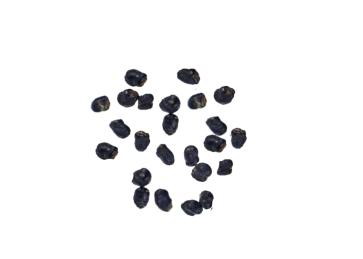
San Pedro | Echinopsis pachanoi | 100 seeds


€13,95
Grow your own San pedro cacti, with these seeds. The San Pedro (Echinopsis pachanoi) cactus, is also known as the Trichocereus pachanoi.
San Pedro Cacti grow reasonably fast, even from a cutting. They contain the psychoactive alkaloid Mescaline, responsible for the visual hallucinogenic effects.
The San Pedro cactus grows native in the Andes Mountains of Ecuador and Peru and used by Shamans as a medicine and stimulant in rituals and ceremonies.
San Pedro Echinopsis pachanoi / Trichocereus pachanoi Seeds
Contents
This pack contains 100 San Pedro (Echinopsis pachanoi) seeds, suitable for cactus enthusiasts, collectors and ornamental cultivation.
Growing San Pedro from Seed
Growing Echinopsis pachanoi from seed is a rewarding project for cactus enthusiasts. With suitable light, controlled watering, an appropriate growing medium and patience, the seedlings can gradually develop into distinctive columnar cacti.
Tips for Growing San Pedro Cactus
Light
San Pedro can adapt to both bright sunlight and partial shade. It can be grown indoors or outdoors, provided it receives sufficient light. Young seedlings are more sensitive to intense sunlight, so introduce them to stronger light gradually. Providing some protection during their first year can help reduce the risk of sun damage.
Watering
San Pedro generally appreciates more regular watering during its active growing period than many desert cactus species. Allow the growing medium to dry appropriately between waterings and always avoid leaving the roots sitting in stagnant water.
The frequency required will depend on factors such as temperature, pot size, substrate and whether the plant is grown indoors or outdoors. During cooler winter conditions, watering should be reduced considerably while the plant is dormant.
Temperature
Echinopsis pachanoi grows well in warm conditions during its active growing season. During winter, mature plants benefit from a cooler, dry resting period. Keep plants protected from prolonged exposure to freezing temperatures and ensure the substrate remains relatively dry during colder conditions.
Botanical Characteristics
San Pedro is a distinctive columnar cactus recognised for its upright growth, green stems and pronounced ribs. As it matures, it can develop into a substantial ornamental specimen. The species is valued by cactus collectors for its relatively vigorous growth and attractive structure. Its appearance can vary depending on growing conditions, age and individual genetics.
Alkaloid Profile
Echinopsis pachanoi is known to contain naturally occurring alkaloids, including mescaline. Alkaloid concentrations can vary considerably between individual plants and growing conditions. Because regulations concerning mescaline and plants containing controlled compounds differ between jurisdictions, cultivation and possession should always comply with local legislation.
History of the San Pedro Cactus
Echinopsis pachanoi, formerly commonly classified as Trichocereus pachanoi, originates from the Andes of Ecuador and Peru. It is also associated with regions of Bolivia, Argentina and Chile and is now cultivated internationally as an ornamental cactus.
The plant has a long history within Andean cultures. Archaeological and historical evidence indicates that San Pedro has been associated with traditional practices in the region for many centuries.
Traditional and Cultural Heritage
San Pedro has played a role in traditional Andean ceremonies and cultural practices, particularly in parts of Peru and neighbouring regions.
Historical references describe preparations made from the cactus as part of ceremonial traditions. These practices form an important part of the ethnobotanical history surrounding Echinopsis pachanoi.
Today, the cactus is also widely appreciated independently of these traditions as an ornamental plant and collector’s specimen.
Modern Interest
Beyond its historical significance, Echinopsis pachanoi has become popular among cactus enthusiasts worldwide. Its characteristic columnar form, relatively vigorous growth and distinctive appearance make it an interesting addition to botanical collections.
For collectors, growing San Pedro from seed also provides the opportunity to observe the complete development of the plant from a small seedling into a mature cactus.
Legal Information
Laws concerning Echinopsis pachanoi, its cultivation and plants containing controlled alkaloids vary between countries. Before purchasing, cultivating or possessing these seeds, check the regulations applicable in your country.
This product is presented for ornamental, botanical and collecting purposes. The customer is responsible for complying with all applicable local laws and regulations.
Be the first to review “San Pedro | Echinopsis pachanoi | 100 seeds”
Related products


Reviews
There are no reviews yet.