
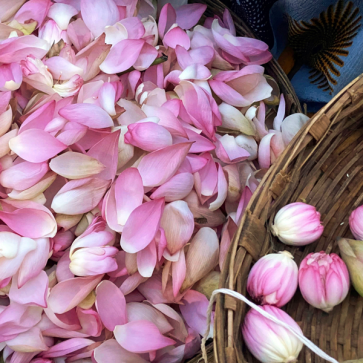
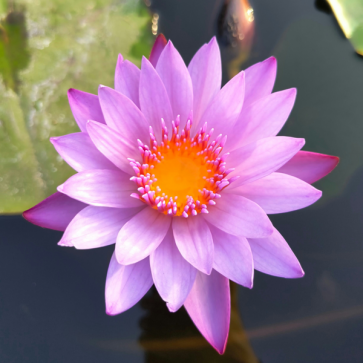
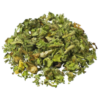
Pink Lotus | Nelumbo nucifera | 20 grams
€8,95
Pink Lotus (Nelumbo nucifera) is the sacred flower that has been helping people unwind and drift into deep, restful sleep for over 5,000 years. With its gentle, euphoric calm and dream-enhancing effects, this is nature’s answer to restless nights.
- 20 grams of dried, Pink Lotus flowers
- Promotes sleep, relaxation & vivid dreams
- Brew as tea, vaporize, or blend with herbs
- Carefully imported from Sri Lanka by Magic-Mushrooms-Shop.eu
Pink Lotus (Nelumbo nucifera) – Sacred Lotus Flowers
When You Need to Slow Down
After a long and demanding day, it can be difficult to quiet a busy mind and settle into a peaceful evening. Pink Lotus, also known as Sacred Lotus or Indian Lotus, has a long history in Asian cultural and traditional practices and is valued for its distinctive botanical character.
Rather than promising a particular effect, it is best understood as a traditional botanical with a rich cultural history. Modern research has identified numerous alkaloids, flavonoids and other naturally occurring compounds in Nelumbo nucifera, although clinical evidence for specific therapeutic effects remains limited.
The Sacred Lotus
The Pink Lotus (Nelumbo nucifera) is an aquatic flowering plant with deep cultural significance across Asia. Its ability to emerge from muddy water with an immaculate flower has made it a longstanding symbol of purity, renewal, spiritual awakening and inner balance.
The plant has been used for centuries in traditional Chinese, Ayurvedic and other Asian herbal traditions. Different parts of the lotus, including its flowers, leaves, seeds and rhizomes, have been incorporated into food, teas and traditional preparations.
Botanical Profile
Nelumbo nucifera contains a diverse range of naturally occurring compounds. Research has identified several groups of alkaloids, including nuciferine and lotusine, alongside flavonoids, phenolic compounds and other phytochemicals. The composition can vary according to the plant part, cultivar and growing conditions.
Because research into the human effects and safety of concentrated lotus preparations is still developing, traditional descriptions should not be presented as established medical claims.
Traditional Uses
Across different Asian traditions, lotus has been used in a variety of ways, including as:
- A botanical ingredient for herbal teas
- Part of traditional wellness practices
- An ingredient in food and beverages
- A plant associated with meditation and spiritual practices
- A traditional botanical used in preparations intended to encourage relaxation and tranquillity
The sacred lotus has also been incorporated into traditional medicine for centuries, although modern scientific reviews note that further human research is required to establish the effectiveness and safety of specific therapeutic applications.
Preparing Pink Lotus as a Tea
For a simple herbal infusion, place dried lotus material in a tea infuser and add hot water. Allow it to steep according to your preferred strength, then remove the plant material before drinking.
You can enjoy the infusion on its own or combine it with other conventional herbal teas and flavours such as honey or cinnamon.
Important: Avoid treating traditional preparation suggestions as medical dosing instructions. The appropriate amount can vary considerably depending on the plant material and preparation, and evidence for specific therapeutic doses is limited.
Pink Lotus and Blue Lotus: What’s the Difference?
Pink Lotus and Blue Lotus are often confused because of their similar names, but botanically they are different plants.
Pink Lotus (Nelumbo nucifera) is a true lotus belonging to the Nelumbonaceae family. Blue Lotus (Nymphaea caerulea) is a water lily from the Nymphaeaceae family.
Although both have longstanding cultural associations, they have different botanical identities and chemical profiles. Research on Nelumbo nucifera has identified a particularly broad range of alkaloids and flavonoids.
History and Cultural Significance
The sacred lotus has been valued across Asia for thousands of years. It has played an important role in Buddhist and Hindu traditions, where the flower is frequently associated with purity, beauty, spiritual growth and enlightenment.
The plant has also been an important component of traditional Chinese medicine and other Asian herbal systems. Historical and scientific reviews describe the use of different lotus parts in traditional preparations, including teas and food products.
Today, Nelumbo nucifera remains both a culturally significant plant and an extensively studied botanical. Scientists continue to investigate its alkaloids, flavonoids and other constituents, while recognising that the clinical evidence for many claimed benefits remains incomplete.
Product Information
| Specification | Details |
|---|---|
| Botanical name | Nelumbo nucifera |
| Common names | Pink Lotus, Sacred Lotus, Indian Lotus |
| Plant type | Aquatic flowering plant |
| Plant family | Nelumbonaceae |
| Traditional uses | Herbal infusions, food, cultural and wellness practices |
| Naturally occurring compounds | Alkaloids, flavonoids, phenolic compounds and other phytochemicals |
Safety Information
Natural does not automatically mean risk-free. Lotus contains biologically active compounds, and research into their pharmacology, interactions and long-term safety is ongoing. Reviews of lotus alkaloids specifically highlight the need for additional human studies to establish appropriate and safe applications.
If you are pregnant or breastfeeding, have an existing medical condition, or take prescription medication, speak with a qualified healthcare professional before using concentrated lotus preparations.
Do not use botanical products as a substitute for prescribed treatment, and discontinue use if you experience an unexpected or concerning reaction.
A Botanical with Ancient Roots
From its striking appearance to its role in Asian traditions, Pink Lotus remains one of the world’s most recognisable sacred plants. Whether appreciated for its botanical qualities, cultural history or use in traditional herbal preparations, Nelumbo nucifera offers a fascinating connection between nature, history and centuries-old traditions.
Be the first to review “Pink Lotus | Nelumbo nucifera | 20 grams”
Related products
Ayahuasca Herbs
Ayahuasca Herbs


Reviews
There are no reviews yet.