
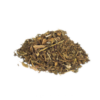
Calamus Root (Acorus calamus)
Calamus, also known as sweet flag, is a reed-like perennial plant traditionally associated with wetlands, riverbanks and marshy environments across parts of Europe, Asia and North America. Its aromatic rhizome has been collected and dried for centuries and has featured in various traditional herbal practices.
History
The botanical name Acorus calamus refers to a plant with a long history of cultural and traditional use. Its aromatic rhizome has traditionally been valued for its distinctive fragrance and has appeared in herbal preparations, flavouring traditions and other ethnobotanical practices.
Among the Penobscot people of North America, calamus was regarded as an important traditional plant. One traditional story tells of a community suffering from illness and a man who was shown the healing properties of the plant in a dream by the spirit of a muskrat.
After discovering the root and preparing it according to traditional practice, he is said to have helped restore the health of his community. Calamus subsequently retained an important place in their cultural traditions.
The plant has also been appreciated for its aromatic qualities. Historically, calamus has been used alongside spices such as ginger, cinnamon and nutmeg and has contributed its characteristic fragrance to perfumes and other aromatic preparations. It has also appeared in historical recipes for beverages, bitters and other traditional preparations.
Traditional and Botanical Use
Calamus rhizome has traditionally been used in a variety of herbal and aromatic applications. Historical sources describe the plant as having been incorporated into preparations intended for general wellbeing, while its distinctive scent made it useful as an aromatic botanical.
However, traditional use should not be interpreted as evidence of modern medicinal efficacy or safety. In particular, Acorus calamus may naturally contain β-asarone, a compound that has been the subject of European toxicological and regulatory assessment. The European Medicines Agency has specifically addressed the safety of asarone-containing herbal medicinal products.
β-Asarone and Safety Considerations
The concentration of β-asarone can vary considerably depending on the variety and chemical profile of Acorus calamus. European scientific assessments have identified toxicological concerns surrounding α- and β-asarone and recommend keeping exposure as low as reasonably achievable.
EU food legislation also restricts β-asarone: it is listed among substances that may not be added to food as such, while specific maximum levels apply to certain foods in which it occurs naturally.
For this reason, the β-asarone content of calamus material should not be assumed from the plant name alone. Actual composition depends on the botanical variety, origin and processing method.
Product Information
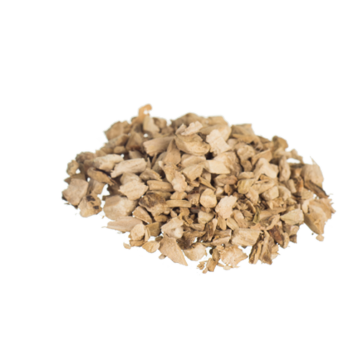
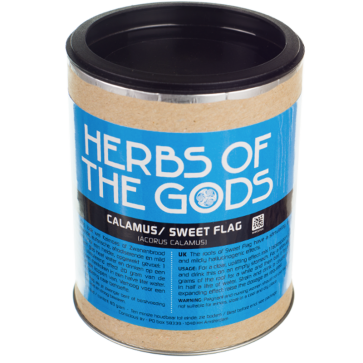
This product contains 80 g of Acorus calamus rhizome, supplied either as shredded material or as a powdered preparation.
Contents
- Botanical: Acorus calamus
- Common name: Calamus / Sweet Flag
- Plant part: Rhizome
- Net quantity: 80 g
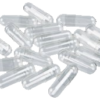
- Format: Shredded or powdered
Storage
- Keep the product tightly sealed in a cool, dry place away from direct sunlight and excessive humidity.
- Keep out of reach of children.
Important Information
This botanical product should not be regarded as a medicine, treatment or cure for any health condition. Because Acorus calamus can contain β-asarone and the safety profile of asarone-containing preparations is subject to regulatory and toxicological considerations, it should not be used for food, beverage or medicinal purposes unless its intended use complies with applicable EU and national requirements.
If you are considering using calamus internally or alongside medication, consult a qualified healthcare professional beforehand.
| Form | Powder, Shredded |
|---|
Be the first to review “Sweet Flag | Acorus calamus”
Related products
Ayahuasca Herbs


Herbs
Reviews
There are no reviews yet.