
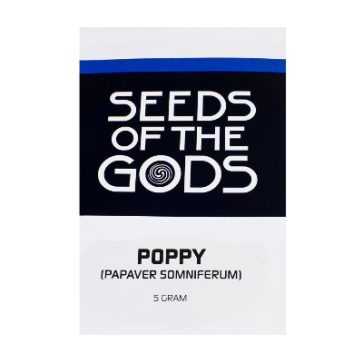
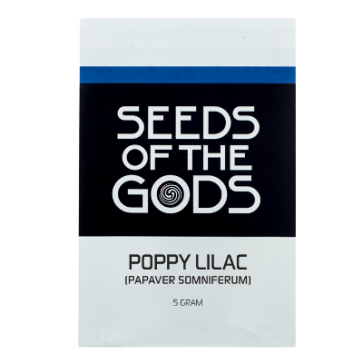
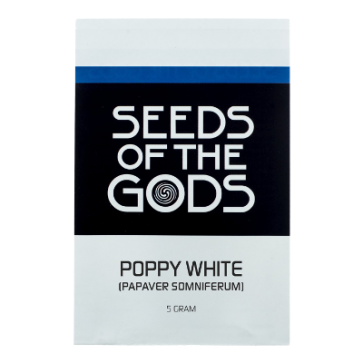
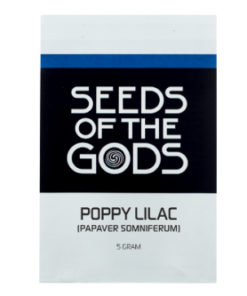
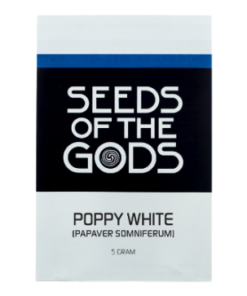
Poppy seeds | Papaver somniferum | mix – 5 grams
€4,50
Poppy seeds to cultivate Opium Poppy flowers at home. The seed pod of the Poppy contains a milky white latex, which is also the natural resource of opium. Opium contains several psychoactive substances, such as morphine and codeine. You can use the dried latex of the Opium Poppy to brew a tea or to smoke.
Contents
Contains 5 grams of poppy seeds in hermetically sealed packaging. The India variety produces white flowers, while the Afghanistan variety develops lilac-coloured flowers. Aside from their flower colour, the two varieties are otherwise comparable.
About Poppy
Papaver somniferum, commonly known as the opium poppy, is an annual flowering plant belonging to the Papaveraceae family. It is recognised for its attractive flowers and distinctive seed capsules and has a long history of cultivation for ornamental, culinary and historical purposes.
The plant is also historically associated with opium production because its immature seed capsules contain a milky latex naturally containing several alkaloids, including morphine, codeine, thebaine and papaverine.
Poppy seeds themselves do not naturally contain the same concentrations of these alkaloids as the latex found in the plant’s capsules. They are widely used as a culinary ingredient and decorative seed, including in breads, pastries and other baked goods.
Traditional and Historical Significance
The opium poppy has played an important role in the history of agriculture, medicine and culture for thousands of years. Ancient Mediterranean civilisations cultivated poppies for their ornamental qualities and various traditional preparations.
In Greek mythology, poppies became associated with Morpheus, the god linked with dreams and sleep. Over subsequent centuries, preparations derived from the plant became important in traditional medicine and eventually contributed to the development of modern opioid medicines such as morphine and codeine.
From the 18th century onwards, opium also became associated with recreational use and international trade. Its history includes significant social and political events, including the Opium Wars involving China and European trading powers.
Today, poppy-derived alkaloids remain important in modern medicine, particularly in pain management, while illicit opioid derivatives such as heroin are recognised for their exceptionally high dependence and overdose risks.
Cultivating Poppies
Papaver somniferum can be grown as an ornamental annual in locations where cultivation is permitted. Before planting, always check the legislation applicable to this species in your country, as regulations can differ depending on the intended use.
For ornamental cultivation, poppies generally prefer a sunny position and loose, well-draining soil. They can be grown directly outdoors or in a sufficiently deep container that provides adequate drainage and room for root development.
Sow the seeds lightly onto the surface of prepared soil and cover them with only a thin layer of growing medium. Keep the soil evenly moist during germination without allowing it to become waterlogged. Seedlings typically emerge relatively quickly under suitable conditions.
Poppies can tolerate cooler conditions once established, although young plants should be protected from severe frost. Flowering generally occurs during the warmer part of the growing season, producing attractive flowers followed by characteristic decorative seed capsules.
For ornamental gardening, allow the plants to complete their natural life cycle and produce seeds rather than attempting to extract material from the capsules.
Ornamental Characteristics
Poppies are popular garden plants because of their striking flowers and relatively straightforward cultivation requirements. Depending on the variety, flowers can range from white and pink to purple and lilac shades. The plants are annuals and can produce numerous seeds after flowering. Under suitable conditions, fallen seeds may germinate naturally in subsequent growing seasons.
Culinary Use of Poppy Seeds
Dried poppy seeds have a long-standing culinary tradition across Europe and beyond. They are commonly used as toppings or ingredients in:
- Bread and rolls
- Cakes and pastries
- Biscuits and desserts
- Seed fillings
- Traditional regional dishes
The small seeds have a distinctive nutty flavour and are valued primarily as a culinary ingredient rather than for psychoactive effects.
Important Safety Information
The latex of Papaver somniferum contains potent opioid alkaloids and must not be extracted, concentrated or consumed for intoxicating purposes. Opioids can cause respiratory depression, unconsciousness, dependence and potentially fatal overdose.
Do not attempt to process the seed capsules to obtain opium or other concentrated plant alkaloids. Cultivating Papaver somniferum specifically for the production of controlled substances is prohibited or strictly regulated in many jurisdictions.
The legal status of growing this species varies throughout Europe and elsewhere. Check local laws and regulations before purchasing, possessing or cultivating the seeds.
Keep seeds and plant material away from children and pets. If you are taking prescription medication or have concerns about potential exposure to opioid-containing plant material, consult a qualified healthcare professional.
Product Details
- Botanical name: Papaver somniferum
- Common name: Opium poppy
- Contents: 5 g of seeds
- Flower varieties: White (India) or lilac (Afghanistan)
- Packaging: Hermetically sealed
- Intended purpose: Ornamental and botanical cultivation, subject to local regulations
Be the first to review “Poppy seeds | Papaver somniferum | mix – 5 grams”
Related products
Ayahuasca Herbs
Reviews
There are no reviews yet.