
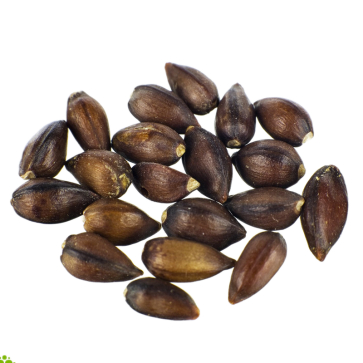
Nevada Ephedra | Ephedra nevadensis | 20 seeds
€6,95
Nevada Ephedra seeds to cultivate your own Nevada Ephedra plant. Nevada Ephedra (also known as Mormon’s Tea) contains the alkaloid ephedrine, which raises blood pressure and causes feelings of clarity and alertness. Ephedrine is also known as the natural form of amphetamine, the active compound of speed.
Contents
Contains 20 seeds of Nevada Ephedra (Ephedra nevadensis) in sealed packaging.
About Nevada Ephedra
Ephedra nevadensis, commonly known as Nevada Ephedra or Mormon Tea, is a hardy evergreen shrub native to the dry landscapes of the southwestern United States. It belongs to the Ephedraceae family and is well adapted to hot, arid conditions.
The plant develops slender, green, jointed stems and generally remains relatively compact, although mature specimens can reach considerable size under favourable conditions. Its natural habitat includes deserts, rocky slopes and other dry environments.
It is important to distinguish E. nevadensis from other Ephedra species, particularly Ephedra sinica. The chemical composition of Ephedra species can vary considerably, and E. nevadensis is generally regarded as containing much lower concentrations of ephedrine-type alkaloids than some other species.
Traditional and Historical Background
Ephedra has a long history of traditional use in several regions. Indigenous peoples of the American Southwest used locally available Ephedra species in traditional herbal preparations, including beverages made from the stems.
The plant became particularly associated with the American Southwest through the widespread preparation of Mormon Tea, a traditional herbal infusion made from Ephedra stems. European settlers also adopted the beverage and valued it as a locally available alternative to imported tea and coffee.
The name “Mormon Tea” reflects this historical association rather than a botanical classification.
Different Ephedra species have also been used historically in traditional medicine across Asia and North America. However, these historical practices should not be interpreted as evidence that Ephedra preparations are medically effective or suitable for self-treatment.
Naturally Occurring Compounds
Some Ephedra species contain naturally occurring phenethylamine alkaloids, including ephedrine and related compounds. However, the concentration and chemical profile differ significantly between species.
Ephedra nevadensis is not generally considered a major commercial source of ephedrine, and its alkaloid content may be considerably lower than that of certain Asian Ephedra species.
Because ephedrine and related alkaloids can have significant cardiovascular effects, plant material should not be processed or concentrated for the purpose of obtaining these compounds.
Cultivating Nevada Ephedra
Nevada Ephedra is naturally adapted to dry, sunny environments and is therefore well suited to cultivation by gardeners who can reproduce similar conditions.
For successful cultivation:
- Sow the seeds in a free-draining, sandy or gritty growing medium.
- Maintain temperatures of around 20°C during the early stages of germination.
- Provide plenty of natural light.
- Avoid excessive moisture and waterlogging.
- Once seedlings are established, transplant them into individual pots with adequate drainage.
- In cooler European climates, keep young plants protected from frost.
- Mature plants can be moved outdoors during the warmer months where local conditions permit.
Nevada Ephedra is naturally drought-tolerant and generally requires considerably less water than typical garden plants. Allow the growing medium to dry between waterings rather than keeping it continuously wet.
Botanical Characteristics
Ephedra nevadensis is a low-growing, branching shrub with narrow, green, photosynthetic stems. Its small scale-like leaves are characteristic of the Ephedra genus, while the plant produces small reproductive structures rather than showy flowers.
Its compact appearance and tolerance of dry conditions can make it an interesting addition to desert, xeriscape or container gardens.
Traditional Preparation
Historically, Ephedra stems have been used in the American Southwest to prepare herbal infusions. However, because the alkaloid content of individual plants can vary and the cardiovascular effects of ephedrine-type compounds can be significant, this product should not be prepared or consumed as a concentrated stimulant tea.
Do not attempt to extract, concentrate or isolate ephedrine or other alkaloids from the plant.
Safety Information
Ephedrine and related stimulant alkaloids can increase heart rate and blood pressure and may produce serious cardiovascular or neurological effects, particularly at higher concentrations or when combined with other stimulants.
Avoid combining Ephedra material with stimulant medicines, decongestants, weight-loss products, recreational stimulants or other substances that affect blood pressure or heart rhythm.
People with cardiovascular conditions, high blood pressure, thyroid disorders or other relevant medical conditions should avoid medicinal or concentrated Ephedra preparations unless specifically advised by a qualified healthcare professional.
Do not use during pregnancy or breastfeeding. Keep seeds and plant material away from children and pets.
The legal status of Ephedra species and ephedrine-containing preparations varies between countries. Check the regulations applicable in your country before purchasing, cultivating or processing these seeds.
This product is supplied as botanical seeds for lawful cultivation and educational purposes. It is not a medicine, food supplement or treatment for any medical condition.
Be the first to review “Nevada Ephedra | Ephedra nevadensis | 20 seeds”
Related products
Ayahuasca Herbs
Ayahuasca Herbs
Reviews
There are no reviews yet.