
Spore Vials
Spore Vials
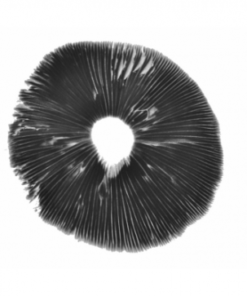
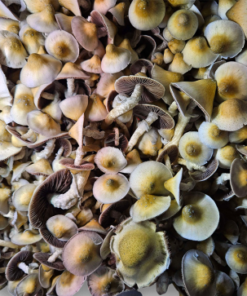
Spore Prints
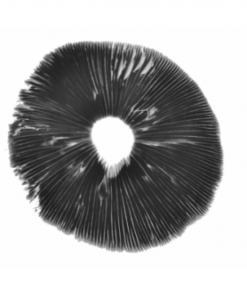
Spore Prints
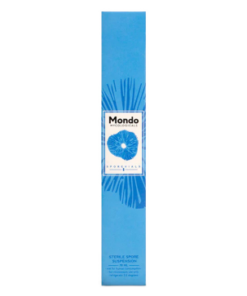
Spore Vials
Spore Vials
Spore Swabs
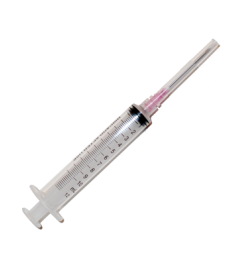
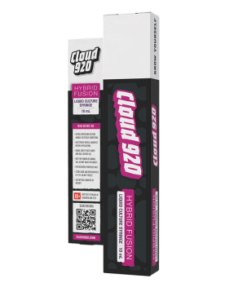
Liquid Culture Syringes
Liquid Culture Syringes
Spore Swabs
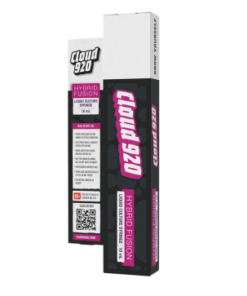
Liquid Culture Syringes
Explore Magic Mushroom Spores & Liquid Cultures
Our collection brings together multiple spore and culture formats in one place, making it easier to compare products by strain and format.
Spore Prints
Spore prints provide a dry format for mushroom microscopy and long-term reference collections. They are compact, easy to label, and allow researchers to examine spore characteristics under magnification. Popular varieties in the collection include:
- A+ Albino
- A-Strain
- Amazonas
- B+
- Cambodia
- Ecuador
- Golden Teacher
- Mazatapec
- McKennaii
- Mexican varieties
- PES Hawaii
- Thai varieties
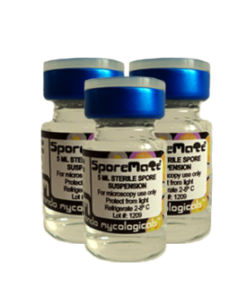
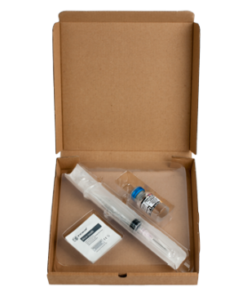
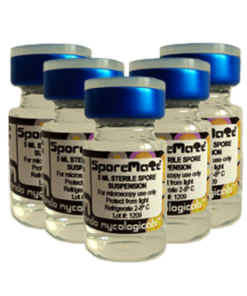
Spore Vials
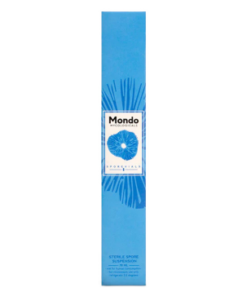
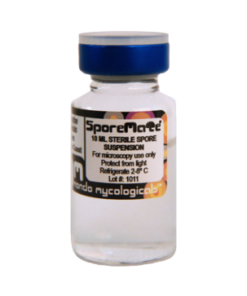
Spore vials provide spores suspended in a liquid medium and offer a practical format for microscopy and comparative fungal research. The collection includes a selection of established varieties, allowing researchers to compare characteristics between different specimens. Available varieties include options such as:
- B+
- Cambodia
- Costa Rica
- Ecuador
- Golden Teacher
- Mazatapec
- McKennaii
- Mexican varieties
Spore Swabs
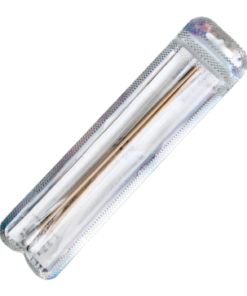
Sterile spore swabs offer another convenient format for researchers interested in controlled microscopy and laboratory-style observation. Individually packaged swabs provide a compact way to maintain a particular sample for research purposes.
The collection includes varieties such as:
- Avery's Albino
- Blue Magnolia
- Hillbilly Pumpkin
- Jack Frost
- Jedi Mind Fuck
- Penis Envy
- True Albino Teacher
- Yeti
Liquid Cultures
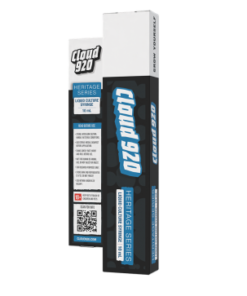
Liquid cultures contain fungal mycelium in a liquid medium and are available across a selection of Cloud920 products. The collection includes numerous named varieties as well as Lion's Mane for researchers interested in comparing different mushroom species.
Examples include:
- APE221 Albino Penis Envy
- Avery's Albino
- B+
- Blue Ghost
- Blue Magnolia
- Cambodia
- Cascadian Teacher
- Coffee Cream
- Golden Teacher
- Hillbilly Pumpkin
- Jack Frost
- Jedi Mind Fuck Albino
- Lion's Mane
- Mac Galactic
- Makilla Gorilla
- McKennaii
- Mexican Cubensis
Choose the Right Spore Format for Your Research
Different formats can serve different microscopy and educational applications.
Spore prints are particularly useful for researchers who prefer a dry specimen that can be archived and examined later.
Spore vials provide a liquid suspension format that can be convenient for comparative microscopy and specimen handling.
Spore swabs offer a compact, individually packaged format for controlled laboratory-style research.
Liquid cultures are designed for researchers studying living fungal mycelium and the differences between fungal varieties.
When selecting a product, consider whether your research requires a dry spore specimen, suspended spores, a swab-based specimen, or a living mycelial culture.
Study Mushroom Spore Morphology
Microscopy is one of the most useful applications for mushroom spores. Under magnification, researchers can examine characteristics such as:
- Spore size and shape
- Surface characteristics
- Colour and pigmentation
- Differences between species
- Differences between varieties
- Spore distribution and morphology
- Mycelial characteristics in suitable research cultures
Comparing multiple varieties side by side can provide a useful introduction to fungal diversity and microscopic identification.
Explore Different Mushroom Varieties
Our collection includes a broad selection of named mushroom varieties, making it possible to build a diverse reference collection.
Classic varieties such as Golden Teacher, B+, Ecuador, Cambodia, and Mazatapec provide familiar points of comparison, while varieties such as fA+ Albino, McKennaii, Blue Magnolia, Jack Frost, and Yeti offer additional morphological diversity.
For researchers interested in species comparison, the collection also includes Panaeolus cyanescens material alongside Psilocybe cubensis products.
Spore Prints, Vials, Swabs & Cultures in One Collection
Rather than limiting your research to one format, you can compare different specimen types according to your project.
- Spore Prints — dry specimens for microscopy and reference collections
- Spore Vials — suspended spores in a convenient vial format
- Spore Swabs — individually packaged spore specimens
- Liquid Cultures — mycelial cultures for fungal research
- Different Varieties — compare morphology across named specimens
- Research-Focused Selection — products presented for microscopy and educational applications
Quality & Handling
For microscopy and research, specimen integrity is important. Store spore-based products according to the supplier's instructions and protect specimens from unnecessary exposure to heat, moisture, and contamination.
Keep products clearly labelled with their variety and acquisition information so that specimens can be accurately identified during future observations.
Liquid cultures require particular attention to the storage conditions specified for the individual product.
Build a Mushroom Research Collection
A diverse collection can make comparative study more interesting. Combining several varieties allows researchers to examine differences in spore morphology and fungal characteristics rather than studying a single specimen in isolation.
You can begin with established varieties such as Golden Teacher or B+, then expand your reference collection with additional cubensis varieties or other species represented in the catalogue.
Why Choose Our Spore & Culture Collection?
Our collection brings together multiple formats and varieties in a single category, giving researchers a convenient starting point when looking for mushroom specimens for legitimate microscopy and educational work.
Key advantages include:
- Broad selection of mushroom varieties
- Multiple specimen formats
- Spore prints for dry reference collections
- Vials for suspended-spore research
- Individually packaged spore swabs
- Cloud920 liquid culture products
- Options for comparative microscopy
- Research and educational positioning
- Convenient online category browsing
Frequently Asked Questions
What are mushroom spores?
Mushroom spores are microscopic reproductive structures produced by fungi. They play an important role in fungal reproduction and can be examined under a microscope as part of mycology research.
What is the difference between a spore print and a spore vial?
A spore print is a dry specimen deposited onto a suitable surface, while a spore vial contains spores suspended in a liquid medium. Both formats can be useful for microscopy and comparative research.
What is a spore swab?
A spore swab is a sterile swab containing mushroom spores. Its compact, individually packaged format can be convenient for controlled microscopy and research applications.
What is a liquid culture?
A liquid culture contains living fungal mycelium suspended in a liquid medium. It differs from a spore product because it contains established mycelial material rather than dormant spores.
Which format is best for microscopy?
The most suitable format depends on your research requirements. Spore prints, spore vials, and spore swabs can all provide material for microscopic examination, while liquid cultures are useful for studying living fungal mycelium.
Are these products intended for consumption?
No. The products in this category should not be consumed. They are presented for microscopy, mycology research, and educational purposes only.
Are mushroom spores legal?
Laws concerning mushroom spores, mycelium, cultivation, and related materials vary considerably between jurisdictions. Always check the current regulations applicable to your location before purchasing or possessing these products.
Shop the Collection
Browse Magic Mushroom Spores & Liquid Cultures to compare spore prints, spore vials, spore swabs, and liquid cultures across a wide range of mushroom varieties.
Select the format and variety that best matches your legal microscopy, mycology, or educational research requirements, and always follow applicable laws and the supplier's handling guidance. For microscopy and research purposes only. Not for human consumption.