
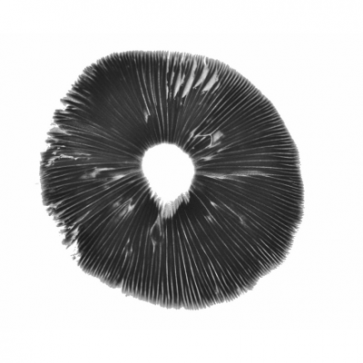
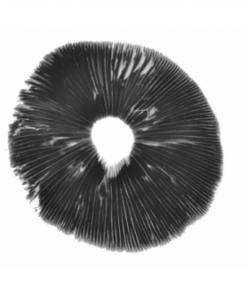
Thai ‘Koh Samui’ spore print
€22,50
The Thai Koh Samui is a legendary wild-collected Psilocybe cubensis strain, discovered by ethnomycologist John Allen on the tropical island of Koh Samui in the Gulf of Thailand.
It is known for its stocky, dense fruiting bodies with caramel to reddish-brown caps — including the famous short, thick “Fatass” phenotype that made this strain iconic.
Koh Samui is one of the most historically significant Thai cubensis lines, deeply rooted in the island’s centuries-old tradition of psychoactive mushroom use.
Thai Koh Samui — The Classic Wild Lineage of Thailand
Thai Koh Samui is one of the best-known Psilocybe cubensis varieties associated with Southeast Asia. Linked to wild-collected material from Koh Samui, a tropical island in the Gulf of Thailand, the variety has become an important name in the history of cubensis spore collections.
Its characteristic compact appearance, warm brown colouring and connection with documented ethnomycological research have helped establish Thai Koh Samui as a particularly recognisable variety for collectors interested in geographical lineages.
From Koh Samui to the Wider Mycology Community
Koh Samui has long been associated with psychoactive fungi in ethnomycological literature. During field research in Thailand in the late 1980s and early 1990s, American ethnomycologist John W. Allen, together with botanist Mark D. Merlin, documented psychoactive mushroom species and their traditional use in Thailand.
Wild Psilocybe cubensis specimens associated with Koh Samui subsequently entered Western spore-collecting circles, giving rise to the lineage now commonly referred to as Thai Koh Samui.
This history gives the variety an additional dimension beyond its physical appearance: it represents one of the better-known examples of Southeast Asian cubensis genetics entering the international mycology community.
Thai Koh Samui vs Thai Ban Hua
Two varieties associated with Koh Samui are commonly encountered in collections, but their reported backgrounds and appearances differ considerably:
- Thai Koh Samui: Generally associated with original wild-collected island genetics and recognised for its compact, stocky morphology and thick stems.
- Thai Ban Hua: Generally described as a later hybrid involving Ban Hua Thanon genetics and another Thai cubensis lineage, with a taller and more slender appearance.
Viewed together, these varieties provide an interesting example of the morphological diversity associated with Thai cubensis genetics.
Morphological Characteristics of Thai Koh Samui
Thai Koh Samui is particularly recognisable for its compact proportions and substantial-looking fruiting bodies.
- Cap: Typically caramel, reddish-brown or golden-brown, often becoming lighter towards the margins. Mature caps may range from rounded and bell-shaped to flatter forms and can develop a noticeable central elevation.
- Stem: White to yellowish-white, generally thick and comparatively short in relation to the cap.
- Overall appearance: Dense, compact and robust, with a noticeably stockier silhouette than many tall and slender cubensis varieties.
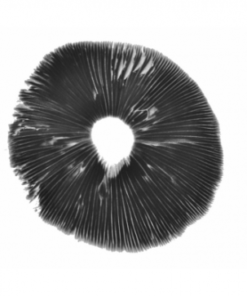
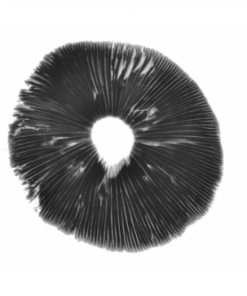
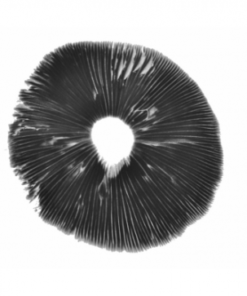
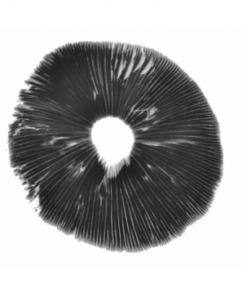
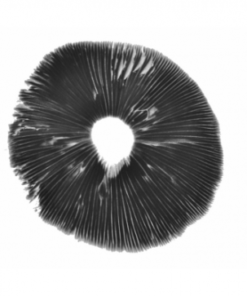
- Spore print: Generally dark brown to deep purple-brown.
The frequently mentioned “Fatass” phenotype is particularly associated with very short, thick specimens and has become one of the more recognisable visual expressions linked with Koh Samui genetics.
A Distinctive Tropical Heritage
The geographical background of Thai Koh Samui is one of its strongest attractions for collectors. Koh Samui’s warm tropical environment and long association with ethnomycological research have made it an important location in the documented history of Southeast Asian psychoactive fungi.
The variety is also notable because Koh Samui genetics have contributed to other named cubensis lines, including Koh Samui Super Strain (KSSS). This makes Thai Koh Samui useful not only as a standalone specimen but also as a reference point when examining related varieties.
Interesting for Microscopy and Comparative Collections
For microscopy enthusiasts, Thai Koh Samui offers several useful characteristics for comparative observation, including:
- Compact cap-to-stem proportions
- Warm brown pigmentation
- Thick stem morphology
- Variation in mature cap shape
- Dark spore deposits
- Comparison with other Thai and geographically distinct P. cubensis varieties
Its recognisable morphology makes it a particularly interesting specimen for documenting phenotype variation across named cubensis collections.
Why Add Thai Koh Samui to Your Collection?
Thai Koh Samui brings together wild provenance, Southeast Asian heritage and distinctive morphology in one well-known cubensis variety.
Its association with Koh Samui, connection to early ethnomycological documentation and characteristic compact appearance give it genuine historical and visual appeal. For anyone building a curated Psilocybe cubensis spore or microscopy library, Thai Koh Samui provides an excellent representation of the classic Thai lineage and an interesting reference point for comparing related varieties.
Be the first to review “Thai ‘Koh Samui’ spore print”
Related products
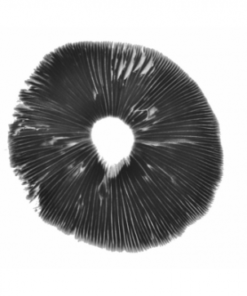
Spore Prints
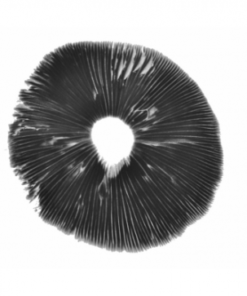
Spore Prints
Spore Prints
Spore Prints
Spore Prints
Spore Prints
Spore Prints
Spore Prints
Reviews
There are no reviews yet.