
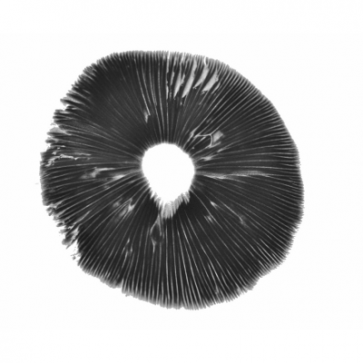
Thai ‘Ban Hua’ spore print
€22,50
The Thai Ban Hua is a potent Psilocybe cubensis hybrid, believed to be a cross between the Thai Ban Hua Thanon mushroom and another unknown Thai cubensis variety.
It is known for its tall, slender fruiting bodies with round, cinnamon-brown caps, very dense mycelium and exceptionally fast colonisation speed.
This unique Thai hybrid combines the tropical resilience of its Koh Samui heritage with added vigour and potency, making it a standout Southeast Asian strain for any collection.
Thai Ban Hua — A Distinctive Koh Samui Hybrid
Thai Ban Hua is a distinctive Psilocybe cubensis variety associated with the tropical island of Koh Samui, Thailand. Unlike the original Ban Hua Thanon wild collection, Thai Ban Hua is generally described as a hybrid involving Ban Hua Thanon and another, unidentified Thai cubensis lineage.
This reported hybrid background gives the variety a particularly interesting identity within collections. It is recognised for its tall proportions, rounded caps, dense-looking morphology and strong tropical heritage, making it an appealing specimen for enthusiasts interested in the diversity of Thai cubensis genetics.
A Lineage Connected to Koh Samui
The history of Thai Ban Hua is closely connected with Ban Hua Thanon, a wild-collected cubensis lineage associated with the village of the same name on southeastern Koh Samui.
According to commonly circulated accounts, Ban Hua Thanon genetics were later combined with another Thai cubensis line, resulting in the variety now known as Thai Ban Hua. The exact identity of the second parent remains uncertain, adding an element of mystery to the strain’s background.
Its connection to Koh Samui gives Thai Ban Hua a strong tropical identity, while its reported hybrid heritage distinguishes it from straightforward wild collections.
Thai Ban Hua and Thai Koh Samui
Although both varieties are associated with Koh Samui, they are generally described as having noticeably different appearances.
- Thai Ban Hua: Associated with hybrid genetics and typically characterised by taller, more slender fruiting bodies, narrow stems and rounded caps.
- Thai Koh Samui: Associated more directly with wild-island genetics and often recognised for stockier specimens and thicker stems.
For collectors, comparing the two provides an interesting illustration of how different P. cubensis lineages from the same geographical region can display contrasting morphological characteristics.
Morphological Characteristics
Thai Ban Hua has a particularly elegant appearance that distinguishes it from more compact cubensis varieties.
- Cap: Generally rounded and symmetrical, ranging from cinnamon-brown to light yellowish-brown. Young caps tend to remain convex before becoming broader with maturity.
- Stem: Usually long and comparatively slender, with white to yellowish-white colouring.
- Proportions: The combination of long stems and rounded caps creates a distinctive upright silhouette.
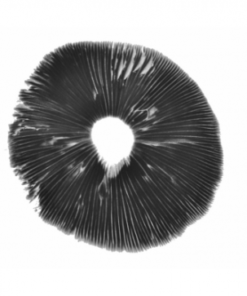
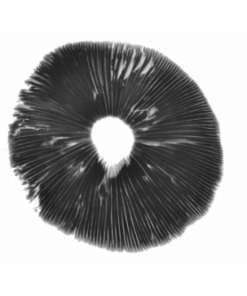
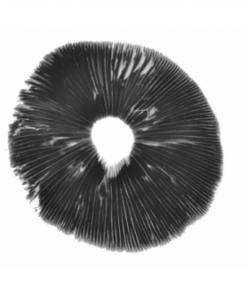
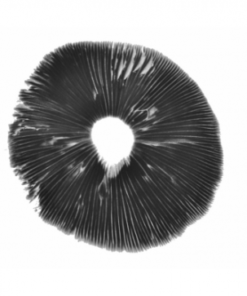
- Spore colour: Typically dark purple-brown, characteristic of Psilocybe cubensis.
As with other multi-spore material, individual specimens can vary, so these characteristics should be regarded as typical visual traits rather than strict identification criteria.
A Distinctive Thai Cubensis for Microscopy
Thai Ban Hua can be particularly interesting for microscopy and comparative collection work because of its characteristic proportions and reported hybrid background.
Its tall stature, rounded cap structure and dark spore deposits provide several features that can be compared with other Thai and Psilocybe cubensis specimens. For enthusiasts documenting morphological diversity, it represents an intriguing example of how geographical ancestry and subsequent selection can contribute to differences between named varieties.
A Strain with a Tropical Identity
Beyond its appearance, Thai Ban Hua carries an appealing geographical story. Koh Samui has become closely associated with several well-known cubensis lineages, and Thai Ban Hua forms part of that broader history.
Its reported connection to Ban Hua Thanon, combined with an unidentified second Thai lineage, gives the variety a distinctive place between wild-collected genetics and later cultivated selections.
Why Add Thai Ban Hua to Your Collection?
For a diverse Psilocybe cubensis collection, Thai Ban Hua offers a combination of tropical heritage, unusual proportions and an intriguing hybrid history.
Its tall, graceful morphology and rounded caps make it visually different from many stockier cubensis varieties, while its connection to Koh Samui adds historical and geographical interest. For collectors and microscopy enthusiasts who appreciate provenance, phenotype and variety-to-variety comparison, Thai Ban Hua is an especially distinctive addition to a curated spore library.
Be the first to review “Thai ‘Ban Hua’ spore print”
Related products
Spore Prints
Spore Prints
Spore Prints
Spore Prints
Spore Prints
Spore Prints
Spore Prints
Spore Prints
Reviews
There are no reviews yet.