
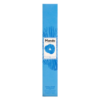

Mexican Psilocybe cubensis — A Classic with a Place in Cultivation History
A strain closely linked to the early days of Western cultivation
Mexican Psilocybe cubensis occupies an important place in the history of mushroom culture. It became associated with some of the earliest attempts to cultivate P. cubensis beyond its natural range and helped shape the mushroom-growing community that developed in Europe and North America during the 1970s and 1980s.
Interest in Mexican mushrooms also grew alongside wider Western awareness of traditional mushroom use in Mexico. In 1957, ethnomycologist R. Gordon Wasson’s influential account of Mazatec mushroom ceremonies appeared in Life magazine, bringing previously little-known traditions involving psychoactive mushrooms to a much wider international audience.
The circulation of mushroom specimens and spores during the following decades contributed to the emergence of the modern enthusiast and cultivation community. Mexican therefore represents more than simply another named variety — it is associated with an important chapter in the development of Western interest in Psilocybe.
The classic golden appearance
Mexican is recognised for its traditional P. cubensis appearance. Its caps commonly develop warm golden-yellow, honey and light caramel tones, giving the variety the familiar look frequently associated with the species.
Young caps tend to be rounded or convex before becoming broader as they mature. The stems are generally pale, ranging from white to slightly yellowish, and may display the characteristic blue bruising associated with Psilocybe mushrooms after handling.
A mature specimen typically produces a deep purple-brown spore print.
For collectors interested in classic P. cubensis morphology, Mexican is an especially recognisable variety.
A long-standing reputation
Mexican has developed a reputation within mushroom communities for having a relatively balanced and approachable profile. Descriptions of subjective effects are based largely on community anecdotes rather than controlled scientific comparisons, so they should not be treated as definitive characteristics of the variety.
As with other P. cubensis varieties, individual experiences can vary considerably depending on numerous factors. The strain name alone should therefore not be considered a reliable indicator of potency or effects.
Its long history, recognisable appearance and established reputation have nevertheless helped Mexican remain a familiar name in collections.
Mexican at a glance
| Characteristic | Mexican |
|---|---|
| Species | Psilocybe cubensis |
| Associated origin | Mexico |
| Historical significance | Associated with the early development of Western P. cubensis cultivation |
| Appearance | Golden-yellow to light caramel caps |
| Stem colour | White to yellowish |
| Bruising | Characteristic blue bruising |
| Spore print | Deep purple-brown |
| Notable feature | Classic appearance and strong historical association |
About Psilocybe cubensis spore vials
Psilocybe cubensis is one of the best-known species in the genus and includes numerous named varieties collected, documented and maintained by mushroom enthusiasts.
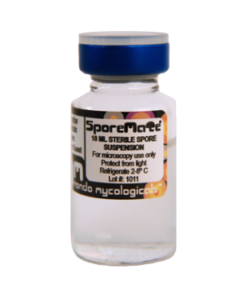
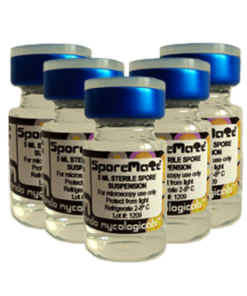
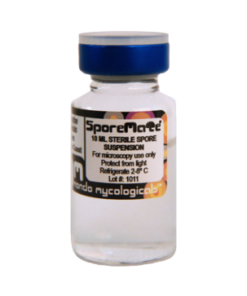
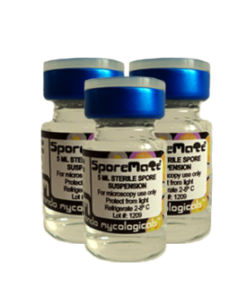
Our spore vials are supplied as labelled mycological specimens. Each vial contains a single P. cubensis variety suspended in a preservation medium, allowing individual varieties to be kept clearly identified.
Specific characteristics can differ between varieties, so customers should consult the individual product page for the most relevant information about the selected specimen.
| Product characteristic | Specification |
|---|---|
| Species | Psilocybe cubensis |
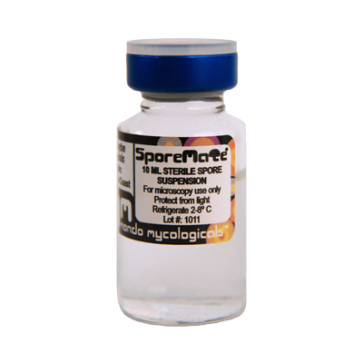
| Vial volume | 10 ml |
| Format | Single-variety spore specimen |
| Container | Glass vial |
| Identification | Individually labelled |
| Typical spore print | Dark purple-brown |
| Storage | Follow the supplier’s recommended conditions |
| Intended context | Mycological and educational use, subject to local law |
Package contents
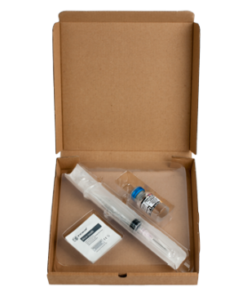
A standard spore-vial package may contain:
- 1 × 10 ml glass vial containing a spore specimen
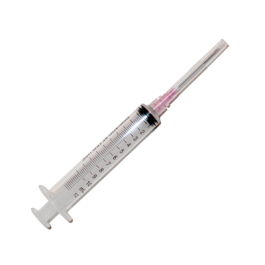
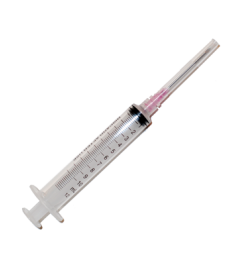
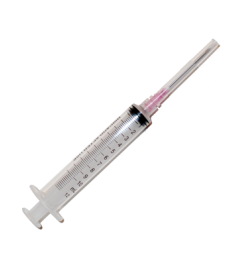
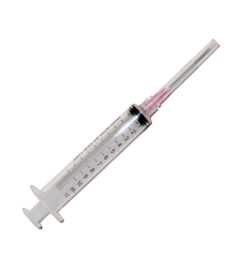
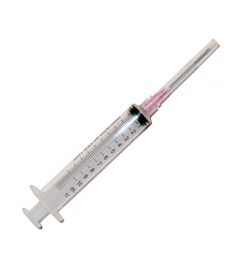
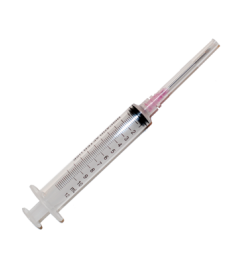
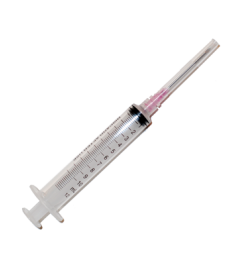
- 1 × sterile syringe, where included with the selected product
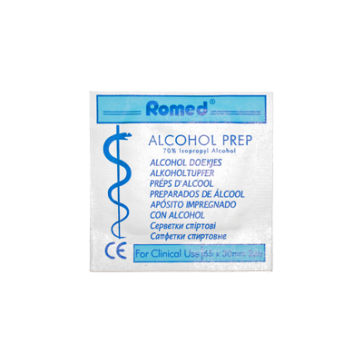
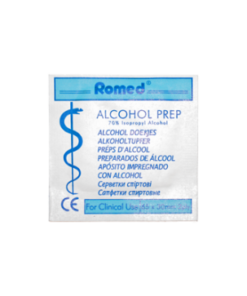
- 2 × alcohol preparation pads, where applicable
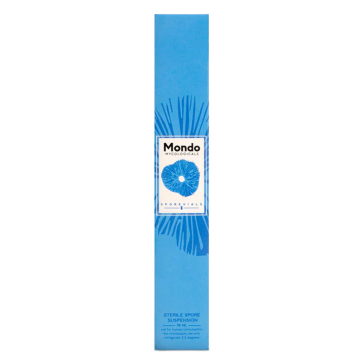
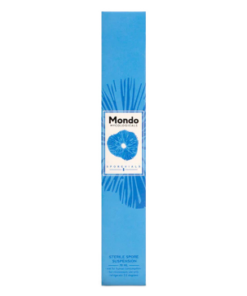
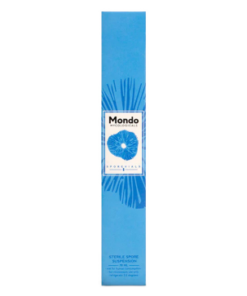
- Protective carton packaging for transport
Exact contents may vary between products, so please check the current product listing before ordering.
Why choose a spore vial?
Practical presentation
Glass vials provide a compact and convenient format for keeping individual specimens organised and clearly identified.
Long-term storage
When maintained according to the supplier’s recommendations, properly stored specimens can remain suitable for an extended period.
Easy identification
Individual labelling makes it simple to distinguish Mexican from other P. cubensis varieties in a larger collection.
Classic genetics
Mexican is an appealing choice for enthusiasts interested in historically recognised P. cubensis varieties and classic mushroom morphology.
Collector-friendly format
A vial takes up little storage space and can be kept alongside other labelled specimens as part of a broader mycological collection.
Storage
Keep the vial sealed and stored according to the manufacturer’s recommendations. Protect it from excessive heat, direct sunlight and other unsuitable environmental conditions.
Do not freeze the specimen unless the product supplier specifically recommends freezing. Keep the original label and packaging with the vial so that the variety remains correctly identified.
If the container is damaged, the seal is compromised or the specimen develops unexpected characteristics, discontinue use and contact the supplier for guidance.
Legal information
Psilocybe spores themselves do not contain psilocybin or psilocin. However, the legal status of spores and activities involving Psilocybe mushrooms differs substantially between European jurisdictions.
Rules may distinguish between the possession or sale of spores and activities involving germination, cultivation or mature mushrooms. Regulations can also change over time.
Always check the current legislation in your country before purchasing, importing, possessing or using a Psilocybe spore specimen.
This information is provided for general educational purposes and should not be regarded as legal advice.
Be the first to review “Mexican — Spore Vial 10ml”
Related products
Spore Vials
Spore Vials
Spore Vials
Spore Vials
Spore Vials
Spore Vials
Spore Vials
Spore Vials
Reviews
There are no reviews yet.