

Golden Teacher — The Classic Psilocybe cubensis Strain
The strain that became a classic
Golden Teacher is one of the best-known Psilocybe cubensis varieties and has been part of the mushroom-growing community for decades. The strain began appearing in US cultivation circles during the late 1980s and early 1990s, with its origins commonly associated with the Gulf Coast region, particularly Florida and Georgia.
Its exact history remains uncertain, as no universally accepted discoverer or original source has ever been conclusively established. That mystery has become part of Golden Teacher’s enduring appeal. Today, it remains one of the most recognisable P. cubensis varieties among enthusiasts and collectors.
What does Golden Teacher look like?
Golden Teacher is known for its distinctive appearance. Its caps generally range from warm caramel and honey tones through to golden brown, sometimes displaying a subtle reddish tint. A small central umbo is also frequently visible, giving the cap its characteristic shape.
The stems are typically sturdy and pale, ranging from white to slightly yellowish shades. When handled, they can develop the characteristic blue bruising associated with many Psilocybe species. Mature specimens produce a dark purple-brown spore print.
These recognisable features have helped establish Golden Teacher as one of the most visually familiar P. cubensis varieties.
Why Golden Teacher remains so popular
Golden Teacher has maintained its popularity for several reasons:
- Distinctive appearance: Golden-brown caps and robust pale stems make the variety easy to recognise.
- Long-standing reputation: It has been known within mushroom enthusiast communities for decades.
- Established lineage: Golden Teacher is one of the classic P. cubensis varieties encountered in collections and educational discussions.
- Broad recognition: Its name is familiar to both newcomers and experienced mushroom enthusiasts.
- Classic status: Few P. cubensis varieties have achieved the same level of recognition within the community.
A balanced reputation
Golden Teacher has sometimes been promoted with claims that it is inherently stronger or more potent than other P. cubensis varieties. Such claims should be treated cautiously. Potency can vary considerably between individual specimens and batches, and a strain name alone is not a reliable measure of chemical composition.
For many collectors, Golden Teacher’s appeal lies instead in its history, distinctive morphology and established reputation.
Golden Teacher at a glance
| Characteristic | Golden Teacher |
|---|---|
| Species | Psilocybe cubensis |
| Likely origin | USA — commonly associated with Florida / Georgia |
| Period of emergence | Late 1980s–1990s |
| Appearance | Caramel to golden-brown caps with pale, robust stems |
| Cap feature | Often develops a small central umbo |
| Bruising | Characteristic blue bruising |
| Spore print | Dark purple-brown |
| Notable trait | Classic, highly recognisable P. cubensis variety |
About Psilocybe cubensis spore vials
Psilocybe cubensis is one of the most widely documented species within the genus and has a long history within mycological research and amateur mushroom-collecting communities.
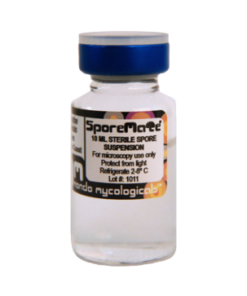
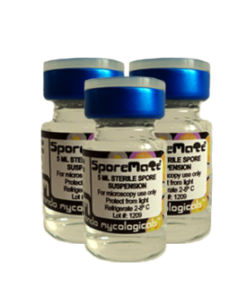
Spore vials are generally marketed as mycological specimens rather than as mature mushrooms. A typical vial contains a suspension of spores in a preservation medium. Product specifications can vary between suppliers, so customers should always refer to the individual product listing for exact volume, packaging and storage information.
Typical product contents
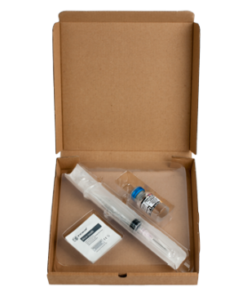
Depending on the supplier and product configuration, a spore-vial package may include:
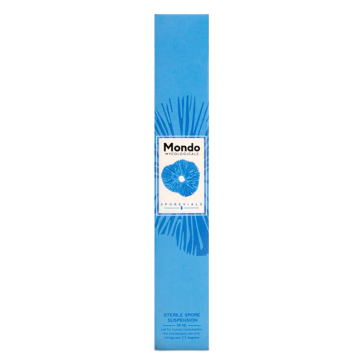
- A sealed glass vial containing a spore suspension
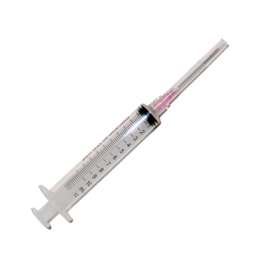
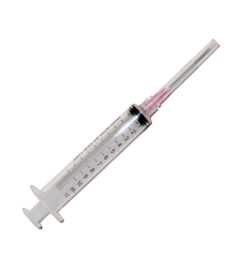
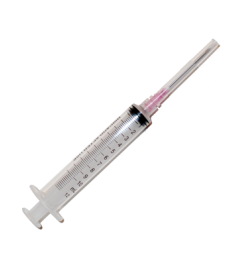
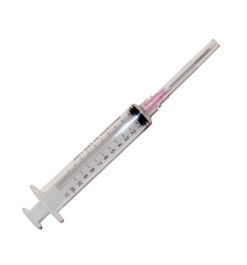
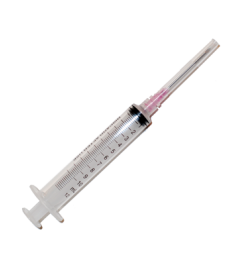
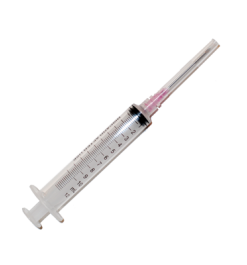
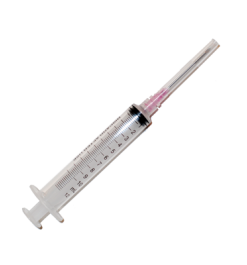
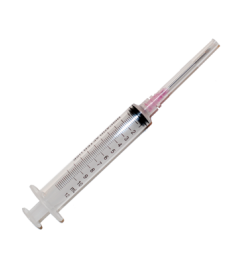
- A sterile syringe or sampling accessory where applicable
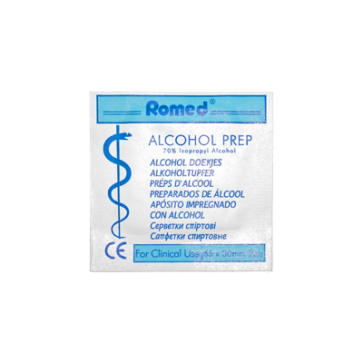
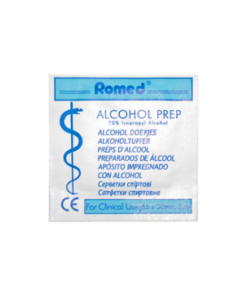
- Alcohol preparation pads
- Protective packaging suitable for transport
Always check the individual product description for the exact contents of the package you are purchasing.
Why choose a spore vial?
Spore vials are popular among mycology enthusiasts because they provide a compact format for preserving and studying mushroom genetics.
Convenient format
A small glass vial provides a practical way to store a spore specimen while taking up minimal space.
Long-term preservation
When stored according to the supplier’s recommendations, spore specimens can remain suitable for microscopic or educational use for an extended period.
Recognisable genetics
A clearly labelled specimen makes it easier for collectors to keep different P. cubensis varieties organised and distinguish one lineage from another.
Reusable packaging
Some vial designs use resealable closures, allowing the specimen to remain protected between examinations or permitted uses.
Responsible use
Psilocybe spores do not contain psilocybin or psilocin themselves. However, laws concerning spores, cultivation, possession and the production of psilocybin-containing mushrooms differ significantly between European countries.
A product being lawful to possess in one jurisdiction does not automatically mean that it is lawful to germinate, cultivate or possess mature mushrooms elsewhere. Before purchasing or using a spore specimen, check the current legislation applicable in your country and region.
Storage and handling
Follow the supplier’s storage instructions and keep specimens securely labelled and protected from unsuitable environmental conditions. Avoid freezing unless the manufacturer specifically states that freezing is appropriate.
If a specimen appears visibly contaminated, damaged or otherwise abnormal, it should not be used for its intended mycological purpose.
A note on legality
The legal status of Psilocybe spores varies throughout Europe. While spores themselves do not contain psilocybin, regulations concerning their possession, sale, importation, germination and cultivation can differ substantially from one country to another.
Always check the laws in your own country before ordering, possessing or using a Psilocybe spore specimen.
Be the first to review “Golden Teacher — Spore Vial 10ml”
Related products
Spore Vials
Spore Vials
Spore Vials
Spore Vials
Spore Vials
Spore Vials
Spore Vials
Spore Vials
Reviews
There are no reviews yet.