
Cambodia Psilocybe cubensis — Southeast Asian Heritage and Classic Character
From Cambodia’s ancient landscape to modern mycology
Cambodia is one of the better-known Southeast Asian Psilocybe cubensis varieties within the international mushroom community. The strain is commonly associated with specimens collected in Cambodia during the 1990s by ethnomycologist John Allen, widely known among enthusiasts as “Mushroom John”.
Allen documented and distributed numerous wild Psilocybe specimens from different parts of Southeast Asia. The Cambodian material subsequently became established within enthusiast circles and eventually gained a permanent place among recognised P. cubensis varieties.
Its association with the Cambodian landscape and its long history within the mycology community have helped make this variety particularly interesting to collectors.
Recognising the Cambodia variety
Cambodia is generally characterised by medium-sized fruit bodies with rounded to domed caps. Colours can range from pale cinnamon and honey through to caramel-golden shades, with caps tending to broaden as they mature.
The stems are typically pale, ranging from white to light tan, and are moderately robust. The mycelium is often described by enthusiasts as fine and delicate in appearance.
As with many P. cubensis varieties, specimens may display blue bruising after handling. Mature mushrooms typically produce a purple-brown spore print.
A distinctive reputation among enthusiasts
Within mushroom communities, Cambodia is often described using terms such as energetic, bright and relatively clear in character. These descriptions are based primarily on anecdotal community reports rather than controlled scientific comparisons.
Individual experiences can vary significantly, and factors unrelated to the strain name may influence subjective effects. Consequently, these community descriptions should be regarded as informal observations rather than guaranteed characteristics.
The variety’s reputation nevertheless contributes to its continuing popularity among collectors and mycology enthusiasts.
A variety with Southeast Asian heritage
The Cambodia name reflects its geographical association and distinguishes it from the many other P. cubensis varieties found in cultivation collections.
Its historical connection with wild material from Southeast Asia gives the variety additional appeal for collectors interested in geographical lineages and the broader diversity of Psilocybe.
Cambodia at a glance
| Characteristic | Cambodia |
|---|---|
| Species | Psilocybe cubensis |
| Associated origin | Cambodia |
| Historical connection | Wild material associated with collections made by John Allen during the 1990s |
| Appearance | Medium-sized fruit bodies with cinnamon to caramel-golden caps |
| Cap shape | Rounded or domed when young, becoming broader with maturity |
| Stem colour | White to light tan |
| Bruising | Characteristic blue bruising |
| Spore print | Purple-brown |
| Notable feature | Southeast Asian heritage and established collector status |
About Psilocybe cubensis spore vials
Psilocybe cubensis is one of the most widely recognised species within the genus and includes numerous geographical and named varieties.
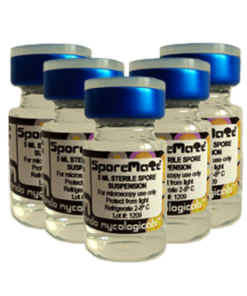
Each spore vial contains a single, individually identified P. cubensis specimen suspended in a preservation medium. This format makes it convenient for collectors to keep different varieties separated and clearly labelled.
Individual characteristics can vary, so the specific product page should always be consulted for the most accurate information about the selected variety.
| Product characteristic | Specification |
|---|---|
| Species | Psilocybe cubensis |
| Vial volume | 10 ml |
| Format | Single-variety spore specimen |
| Container | Glass vial |
| Identification | Individually labelled |
| Typical spore print | Dark purple-brown |
| Storage | Follow the supplier’s recommendations |
| Intended purpose | Mycological and educational use, where legally permitted |
Package contents
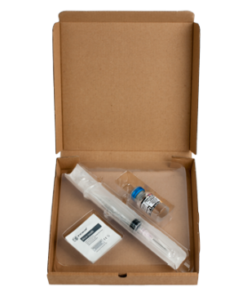
A standard vial package may include:
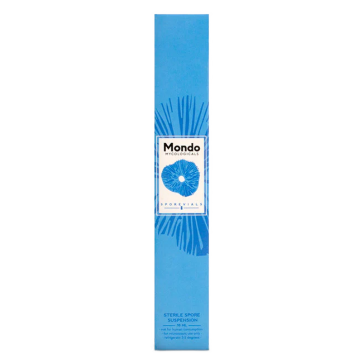
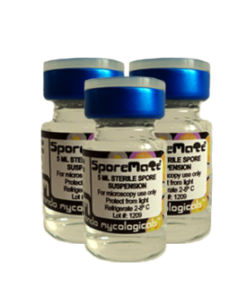
- 1 × 10 ml glass vial containing a spore specimen
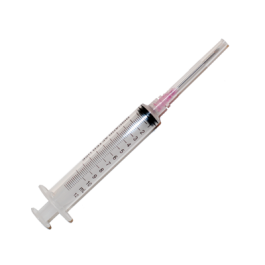
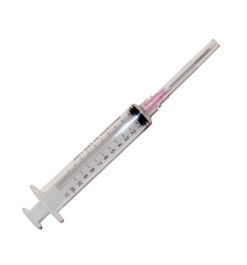
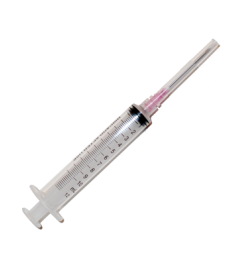
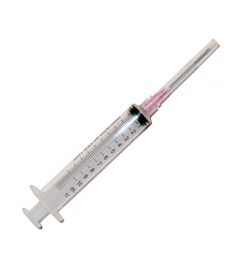
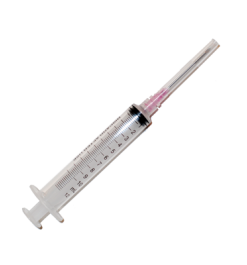
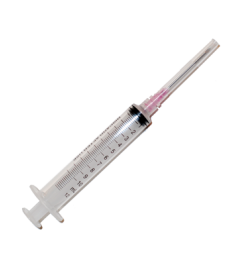
- 1 × sterile syringe, where supplied with the product
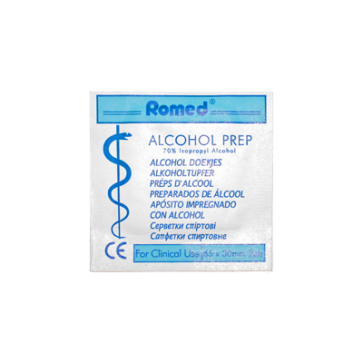
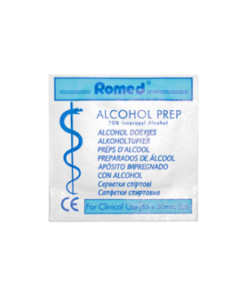
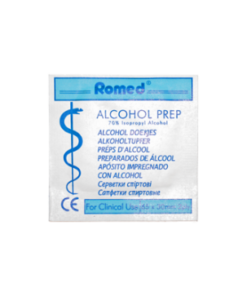
- 2 × alcohol preparation pads, where applicable
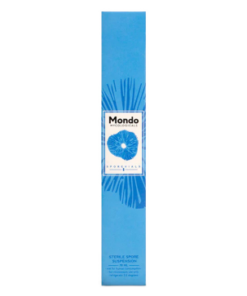
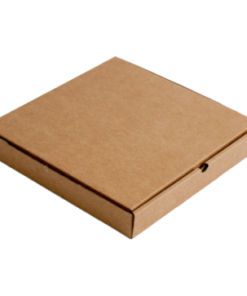
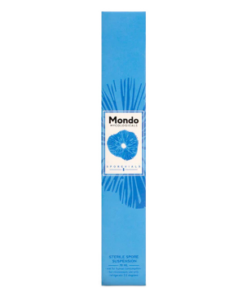
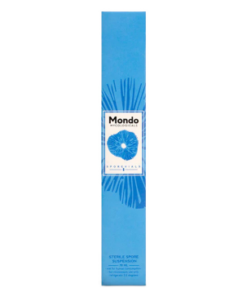
- Protective carton packaging
Package components may vary between products. Always check the current product listing for the exact contents supplied.
Why choose a spore vial?
Compact glass format
A glass vial provides a practical, compact container for keeping an individual spore specimen protected and clearly identified.
Individual labelling
Each variety can be stored separately, helping collectors maintain an organised collection of different P. cubensis specimens.
Established variety
Cambodia has been recognised within enthusiast communities for many years and has a distinctive geographical association with Southeast Asia.
Suitable for collections
For those interested in the diversity and history of Psilocybe, a labelled spore vial provides a convenient way to document individual varieties.
Easy identification
The vial format and clear labelling make it straightforward to distinguish Cambodia from other varieties in a multi-strain collection.
Storage and handling
Keep the vial securely sealed and follow the storage instructions supplied with the product. Store it away from direct sunlight, excessive heat and other unsuitable environmental conditions.
Avoid freezing unless specifically recommended by the supplier. Retain the original label and packaging to ensure the specimen remains correctly identified.
If the vial becomes damaged, the seal is compromised or the contents develop unexpected changes, discontinue use and seek guidance from the supplier.
Legal information
Psilocybe spores themselves do not contain psilocybin or psilocin. However, this does not mean that all activities involving Psilocybe spores are lawful throughout Europe.
European legislation varies considerably and may distinguish between possession and sale of spores and activities involving germination, cultivation or mature mushrooms.
Always verify the current laws applicable in your country before purchasing, importing, possessing or using a Psilocybe spore specimen.
This information is provided for general educational purposes and does not constitute legal advice.
Be the first to review “Cambodia — Spore Vial 10ml”
Related products
Spore Vials
Spore Vials
Spore Vials
Spore Vials
Spore Vials
Spore Vials
Spore Vials
Spore Vials
Reviews
There are no reviews yet.