
Orissa India Psilocybe cubensis — An Unusual Indian Landrace
Wild-collected in Odisha, India
Orissa India is a wild-associated Psilocybe cubensis lineage linked to the Indian state historically known as Orissa, now officially Odisha. Compared with many of the better-known cubensis varieties from Central and South America, this Indian lineage has a particularly unusual geographical identity.
The variety is traditionally described as having been collected from elephant dung in its natural environment. This association has become an important part of its story and may help explain why Orissa India developed a reputation for producing unusually substantial fruit bodies.
Following its introduction into the international spore-trading community, the variety quickly attracted attention from collectors for its striking morphology and impressive overall size.
Remarkably large fruit bodies
Size is arguably the defining feature of Orissa India.
Specimens are commonly associated with broad, fleshy caps accompanied by thick and sturdy stems. Compared with many familiar P. cubensis varieties, mature examples can appear exceptionally substantial.
Caps generally fall within caramel and golden-brown colour ranges, while the stems tend to be pale and robust. Blue bruising can become pronounced after handling, and mature specimens produce the characteristic dark purple-brown spore print associated with P. cubensis.
For collectors interested in morphology, the sheer scale of individual specimens is what makes this lineage particularly memorable.
A favourite among collectors
Orissa India has developed a strong following among mushroom enthusiasts who appreciate unusual genetics and distinctive physical characteristics.
Community descriptions often place the variety somewhere around the moderate-to-strong end of the traditional P. cubensis spectrum. Such descriptions are anecdotal rather than scientifically established, and individual specimens can vary considerably.
For many collectors, however, potency is not the principal attraction. The oversized fruit bodies, unusual geographical background and association with India provide plenty of interest on their own.
A distinctive lineage with a fascinating background
The appeal of Orissa India lies in its combination of geography and morphology.
Rather than being another conventional cubensis selection, it is associated with a region that is relatively unusual within the broader history of P. cubensis cultivation. Its reputation for substantial fruit bodies has further cemented its position among varieties that collectors seek out for visual distinction.
Orissa India at a glance
| Characteristic | Orissa India |
|---|---|
| Species | Psilocybe cubensis |
| Associated origin | Odisha (formerly Orissa), India |
| Background | Wild-associated Indian lineage |
| Appearance | Large, substantial fruit bodies |
| Cap colour | Caramel to golden-brown |
| Stems | Pale, thick and robust |
| Bruising | Pronounced blue bruising |
| Spore print | Deep purple-brown |
| Notable feature | Reputation for exceptionally large individual fruit bodies |
About Psilocybe cubensis spore vials
Psilocybe cubensis is one of the best-known species in the genus and includes a wide range of named, geographical and cultivated varieties.
A spore vial is a compact format for keeping an individual variety separately identified and preserved. Each vial in a collection can be labelled according to its specific lineage, making the format particularly useful for mycological enthusiasts interested in comparing different varieties.
Product specifications can differ, so always consult the relevant listing for the exact contents and current product information.
| Product characteristic | Specification |
|---|---|
| Species | Psilocybe cubensis |
| Vial volume | 10 ml |
| Format | Single-variety spore specimen |
| Container | Glass vial |
| Identification | Individually labelled |
| Typical spore colour | Dark purple-brown |
| Storage | Follow supplier instructions |
| Intended use | Mycological and educational purposes where permitted by law |
What is included?
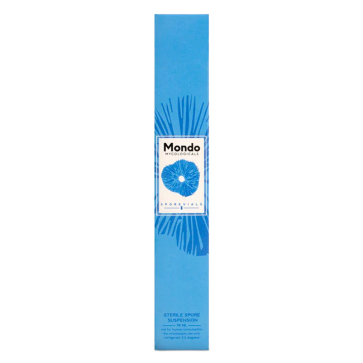
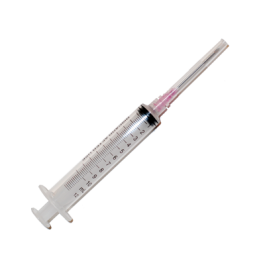
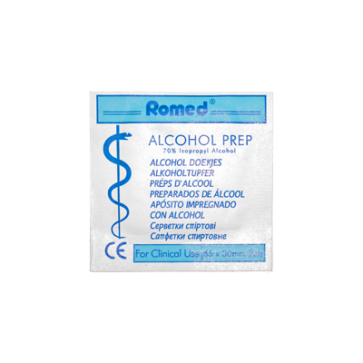
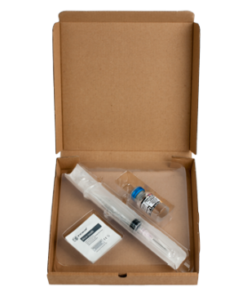
A standard spore-vial package may contain:
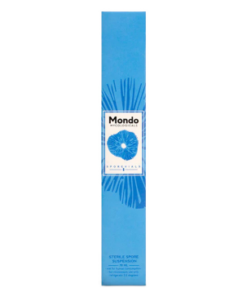
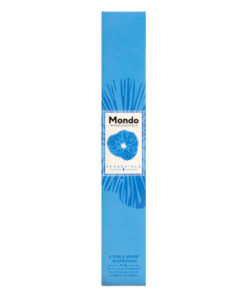
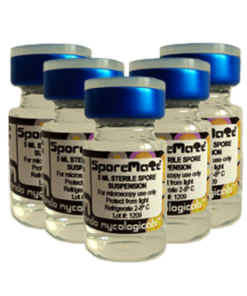
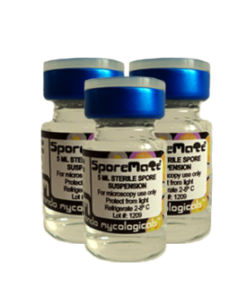
- 1 × 10 ml glass vial containing a spore specimen
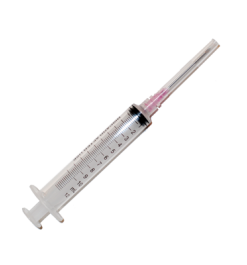
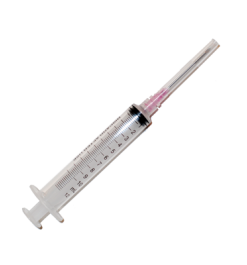
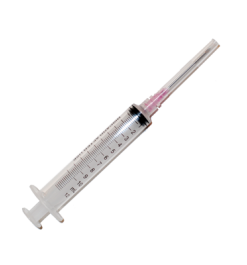
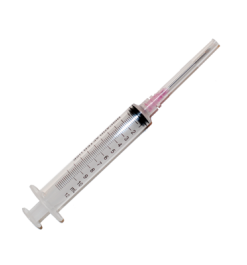
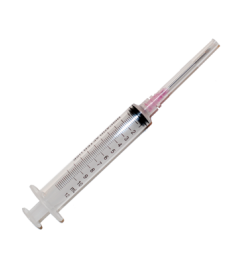
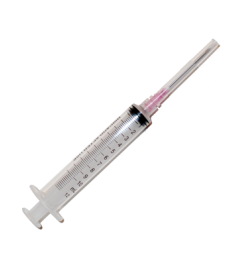
- 1 × sterile 10 ml syringe, where supplied
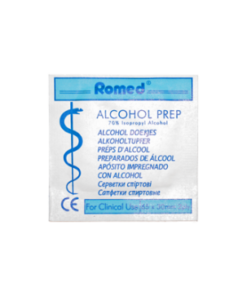
- 2 × alcohol preparation pads, where included
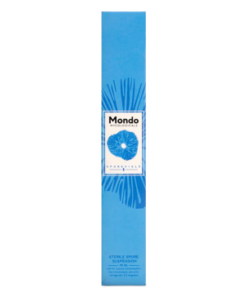
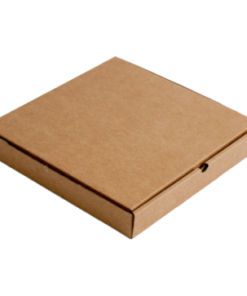
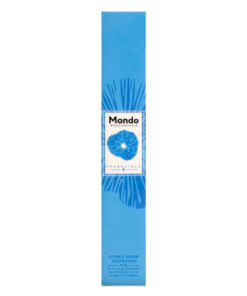
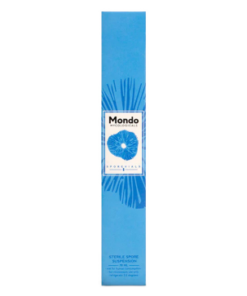
- Protective carton packaging
Please refer to the individual product listing for the definitive package contents.
Why choose a spore vial?
Convenient format
The compact glass-vial format makes individual specimens straightforward to store and organise.
Clear identification
Individual labelling helps keep different P. cubensis varieties separate, particularly when building a larger collection.
Distinctive lineage
Orissa India has a particularly recognisable identity thanks to its Indian background and reputation for unusually large fruit bodies.
Collector appeal
Its unusual geographical association makes it an interesting addition to collections focused on the diversity of P. cubensis.
Long-term organisation
Glass vials provide a practical way to maintain individually identified specimens without combining different varieties.
Storage and handling
Keep the vial securely closed and follow the storage conditions supplied by the seller. Protect it from excessive heat, direct sunlight and other unsuitable environmental conditions.
Do not freeze unless specifically instructed by the supplier. Keep the original label and packaging with the vial to ensure that its identity remains clear.
If the vial is damaged, the seal is compromised or the contents develop unexpected changes, discontinue use and contact the supplier.
Legal information
Psilocybe spores themselves do not contain psilocybin or psilocin. Nevertheless, laws concerning their sale, possession, importation and intended use differ throughout Europe.
Some countries distinguish between possession of spores and activities involving germination, cultivation or mature mushrooms, while other jurisdictions impose additional restrictions.
Always check the legislation currently applicable in your country before purchasing, importing, possessing or using a Psilocybe spore specimen.
This information is intended for general educational purposes and should not be considered legal advice.
Be the first to review “Orissa India — Spore Vial 10ml”
Related products
Spore Vials
Spore Vials
Spore Vials
Spore Vials
Spore Vials
Spore Vials
Spore Vials
Spore Vials
Reviews
There are no reviews yet.