
McKennaii Psilocybe cubensis — A Tribute to Terence McKenna
McKennaii emerged from Amsterdam around the early 2000s and was named in honour of Terence McKenna, the American ethnobotanist, author and psychedelic philosopher whose books, lectures and ideas played a major role in bringing discussions about psychedelic mushrooms into wider Western counterculture.
McKenna became particularly associated with Psilocybe mushrooms and developed a devoted following among people interested in ethnobotany, altered states of consciousness and psychedelic history. His controversial “stoned ape” hypothesis also became one of his best-known ideas.
Against this cultural background, a Psilocybe cubensis variety carrying his name was a natural addition to the growing mushroom community. McKennaii subsequently developed its own identity through its distinctive appearance and strong reputation among enthusiasts.
Dark caramel caps with an unmistakable profile
McKennaii stands out visually from many of the more traditional P. cubensis varieties.
Its caps commonly display deep caramel to brown tones and may develop pronounced, uneven or wavy margins as they mature. This irregular silhouette gives mature specimens a particularly distinctive appearance.
The stems are generally pale and proportionate, while blue bruising may appear following handling. Mature specimens typically produce the deep purple-brown spore print characteristic of P. cubensis.
The combination of darker colouring and irregular cap edges makes McKennaii relatively easy to recognise within a varied collection.
A reputation for notable potency
McKennaii is frequently discussed within mushroom enthusiast communities as one of the stronger P. cubensis varieties. This reputation appears across community discussions, reviews and informal cultivation literature.
However, comparisons of potency between named P. cubensis varieties should be treated cautiously. Individual specimens can vary considerably, and factors such as genetics, growing conditions and post-harvest handling can influence chemical composition.
For that reason, McKennaii’s reputation should be understood as a community observation rather than a guaranteed characteristic of every specimen.
A distinctive choice for experienced enthusiasts
McKennaii is often regarded as a variety with a more distinctive character than classic beginner selections.
Its appeal comes from a combination of its unusual morphology, long-standing reputation and connection to Terence McKenna. For collectors who already know familiar varieties such as B+ or Golden Teacher, McKennaii offers an opportunity to explore a noticeably different-looking member of the P. cubensis family.
McKennaii at a glance
| Characteristic | McKennaii |
|---|---|
| Species | Psilocybe cubensis |
| Associated origin | Amsterdam, early 2000s |
| Namesake | Terence McKenna |
| Appearance | Dark caramel-brown caps with irregular, wavy margins |
| Stem colour | Pale to white |
| Bruising | Characteristic blue bruising |
| Spore print | Deep purple-brown |
| Notable feature | Distinctive morphology and reputation among experienced collectors |
About Psilocybe cubensis spore vials
Psilocybe cubensis is one of the most widely recognised species in the genus and includes numerous named and cultivated varieties.
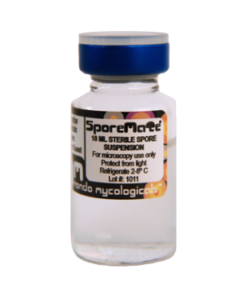
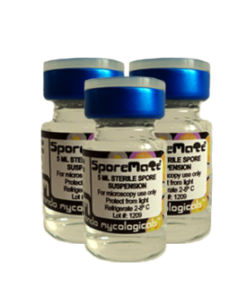
Each vial contains a single, individually identified P. cubensis spore specimen suspended in a preservation medium. The format provides a convenient way to keep different varieties separated, labelled and organised.
Individual specimens can vary, so customers should consult the relevant product page for the latest product-specific information.
| Product characteristic | Specification |
|---|---|
| Species | Psilocybe cubensis |
| Vial volume | 10 ml |
| Format | Single-variety spore specimen |
| Container | Glass vial |
| Identification | Individually labelled |
| Typical spore print | Dark purple-brown |
| Storage | Follow supplier recommendations |
| Intended context | Mycological and educational use where legally permitted |
Package contents
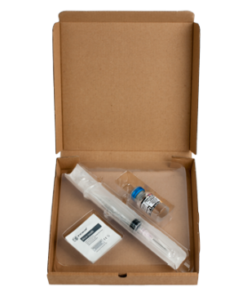
A standard spore-vial package may include:
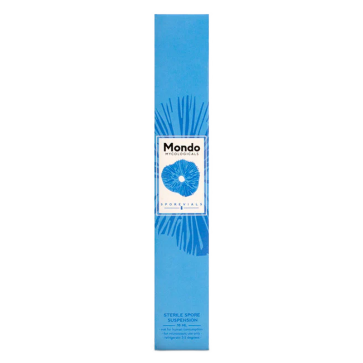
- 1 × 10 ml glass vial containing a spore specimen
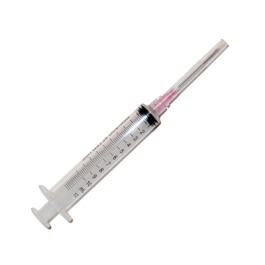
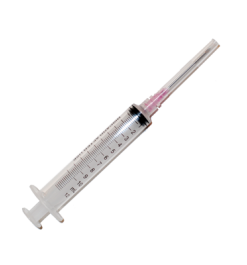
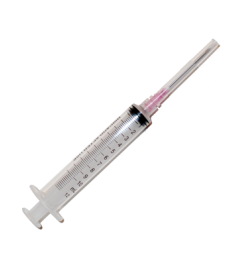
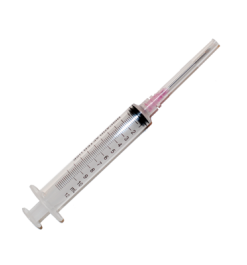
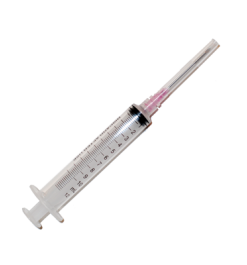
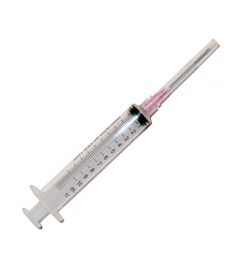
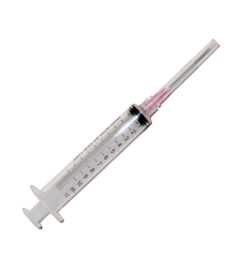
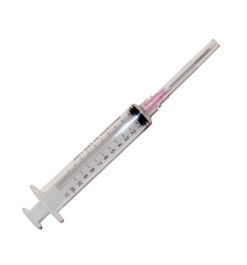
- 1 × sterile 10 ml syringe, where supplied
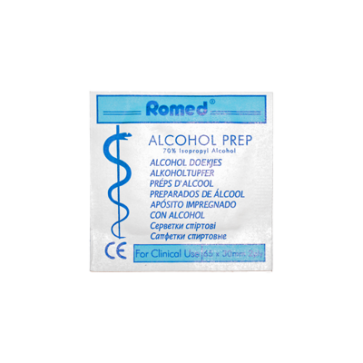
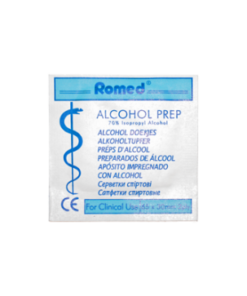
- 2 × alcohol preparation pads, where included
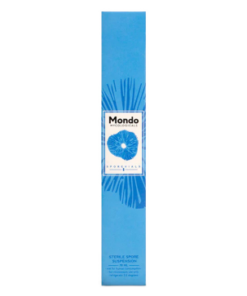
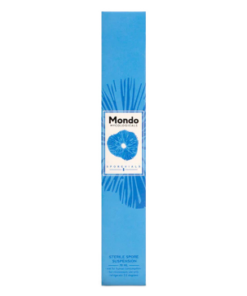
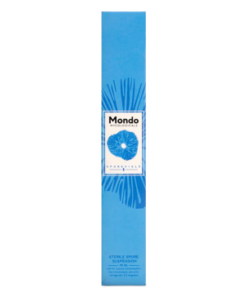
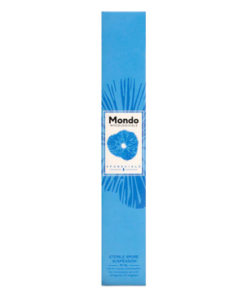
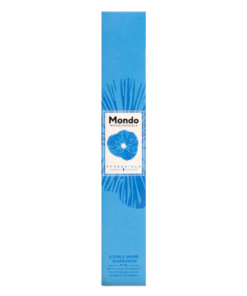
- Protective carton packaging
The exact contents may vary between products. Always check the current product listing for the definitive package specification.
Why choose a spore vial?
Compact glass format
Glass vials provide a practical and space-efficient way to store individual spore specimens.
Clearly identified
Individual labelling makes it easy to distinguish McKennaii from other P. cubensis varieties in a larger collection.
Distinctive genetics
McKennaii has developed a recognisable identity within the P. cubensis community, particularly because of its darker caps and unusual margins.
Historical connection
The variety’s association with Terence McKenna gives it additional cultural interest for enthusiasts familiar with psychedelic history.
Collector-friendly
The compact format makes it straightforward to organise several named specimens while maintaining clear identification.
Storage and handling
Keep the vial securely sealed and follow the storage recommendations supplied with the product. Protect the specimen from direct sunlight, excessive heat and unsuitable environmental conditions.
Do not freeze unless specifically recommended by the supplier. Keep the original label and packaging with the vial to preserve accurate identification.
If the container becomes damaged, the seal is compromised or the contents develop unexpected changes, discontinue use and contact the supplier for guidance.
Legal information
Psilocybe spores themselves do not contain psilocybin or psilocin. However, legislation concerning their sale, importation and possession varies considerably across European countries.
Some jurisdictions distinguish between possessing spores and activities involving germination, cultivation or mature mushrooms. Laws can also change over time.
Always verify the current regulations in your country before purchasing, importing, possessing or using a Psilocybe spore specimen.
This information is provided for general educational purposes and does not constitute legal advice.
Be the first to review “McKennaii — Spore Vial 10ml”
Related products
Spore Vials
Spore Vials
Spore Vials
Spore Vials
Spore Vials
Spore Vials
Spore Vials
Spore Vials
Reviews
There are no reviews yet.