
B+ — A Classic Psilocybe cubensis Variety
B+ is one of the most recognisable Psilocybe cubensis varieties in modern mycology circles. Its exact history is not completely documented, although community records commonly associate the variety with a cultivator known as “Mr G” during the 1990s.
The frequently repeated claim that B+ originated as a deliberate P. cubensis × P. azurescens hybrid remains unverified; established references generally describe B+ as a Psilocybe cubensis variety.
Over time, B+ became widely circulated among microscopy collectors and mycology enthusiasts in North America and Europe. Its reputation is largely based on its distinctive appearance, comparatively large fruiting bodies and broad environmental adaptability reported by the mycology community.
B+ Morphology
B+ is typically recognised by its large, fleshy appearance and characteristic colouring.
- Species: Psilocybe cubensis
- Cap: Broad and rounded, generally caramel to tan-brown, often becoming lighter towards the margin
- Stem: Pale to white, relatively long and robust
- Bruising: Blue to blue-green discolouration may develop following handling
- Spore deposit: Typically dark purple-brown
- Overall appearance: Large, sturdy specimens with a distinctive caramel-coloured cap
Descriptions of B+ consistently highlight its sizeable fruiting bodies and broad environmental tolerance, helping explain its long-standing popularity among collectors.
A Long-Established Cubensis Favourite
B+ has remained prominent within the mycology community for decades. Its reputation as an approachable and adaptable variety has contributed to its widespread circulation, while its distinctive morphology makes it an interesting subject for comparative microscopy.
Rather than relying on claims about a specific potency or effect profile, B+ is best distinguished by observable characteristics such as cap colour, fruiting-body proportions and spore morphology.
B+ at a Glance
| Characteristic | B+ |
|---|---|
| Species | Psilocybe cubensis |
| Origin | Commonly attributed to the 1990s; exact history remains uncertain |
| Associated name | Mr G |
| Appearance | Large, robust fruiting bodies |
| Cap colour | Caramel to tan-brown |
| Stem colour | White to pale cream |
| Bruising | Blue to blue-green |
| Spore colour | Dark purple-brown |
| Microscopy interest | Morphology and spore comparison |
The historical attribution to Mr G is widely repeated, but the precise origin of B+ is not conclusively documented.
B+ Spores for Microscopy
B+ spores are particularly suitable for comparative microscopy because their dark pigmentation generally provides clear visual contrast under magnification. A prepared specimen can be examined for characteristics including:
- Spore shape
- Relative size
- Surface appearance
- Pigmentation
- Germ-pore characteristics
- Differences between specimens
- Comparison with other Psilocybe cubensis varieties
A B+ specimen can therefore serve as a useful reference point when comparing more lightly pigmented or visually unusual cubensis varieties.
Why Choose a Spore Vial?
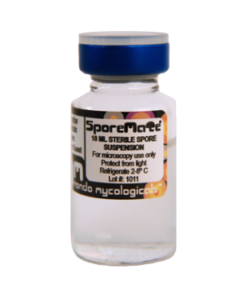
A sealed spore vial provides a practical format for maintaining a labelled microscopy specimen. Compared with a loose spore deposit, a vial can make identification and storage more straightforward while keeping the specimen contained.
Typical product considerations include:
- Clearly identified variety — useful for maintaining an organised reference collection
- Sealed container — helps protect the specimen during storage
- Liquid suspension — provides an alternative to dry spore-print formats
- Compact presentation — convenient for microscopy collections
- Research-focused use — suitable for observational and educational mycology work
Contents
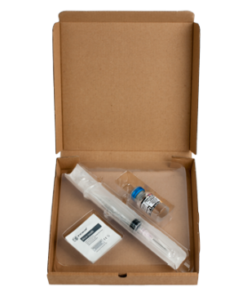
A typical B+ spore-vial package may contain:
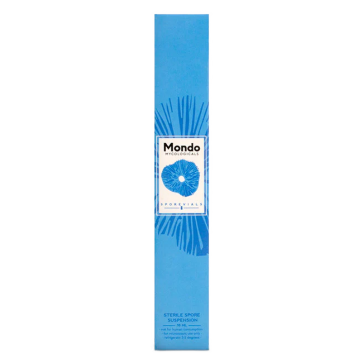
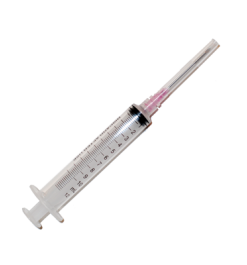
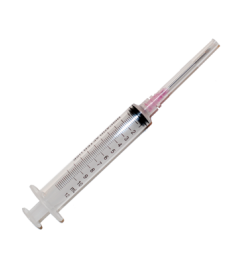
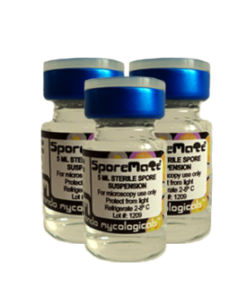
- 1 × labelled glass vial containing spore suspension
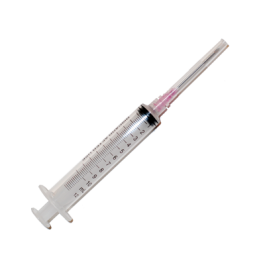
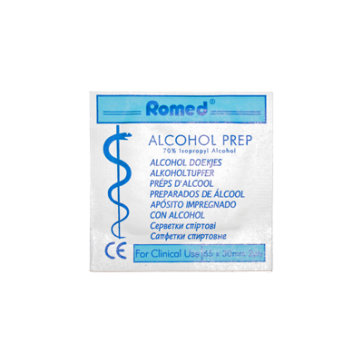
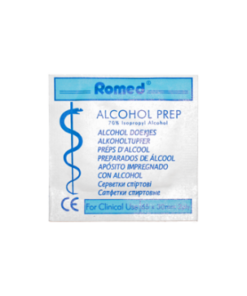
- Sterile accessories supplied by the vendor
- Protective packaging for transport
Exact contents can vary between products, so customers should refer to the individual product listing for the current specification.
Storage and Handling
For research and microscopy collections, specimens should remain sealed and clearly labelled when not being examined. Follow the supplier’s storage recommendations and protect the vial from excessive heat, direct light and contamination.
Do not consume spore products. They are intended for microscopy, taxonomic observation and educational research only.
Building a Reference Collection
B+ works well as part of a broader Psilocybe cubensis microscopy collection. Its caramel-coloured cap, pale stem and strongly pigmented spores provide useful points of comparison with albino and leucistic varieties.
For example, researchers can compare B+ with varieties displaying substantially different pigmentation or morphology to investigate how visible characteristics vary between named cubensis lines.
Important Legal Information
The legal status of psilocybin mushrooms, spores, mycelium and related materials varies between European jurisdictions. It is therefore not accurate to state that Psilocybe spores are universally legal throughout the EU.
The European Union Drugs Agency notes that national approaches differ considerably, including differences concerning possession, cultivation, sale and the legal treatment of mushrooms containing psilocybin or psilocin.
Always check the current legislation in your country before purchasing, possessing or handling these materials.
For microscopy, mycology research and educational purposes only. Not for human consumption.
Be the first to review “B+ — Spore Vial 10ml”
Related products
Spore Vials
Spore Vials
Spore Vials
Spore Vials
Spore Vials
Spore Vials
Spore Vials
Spore Vials
Reviews
There are no reviews yet.