
Avery’s Albino — Spore Swab Cloud920®

€16,50
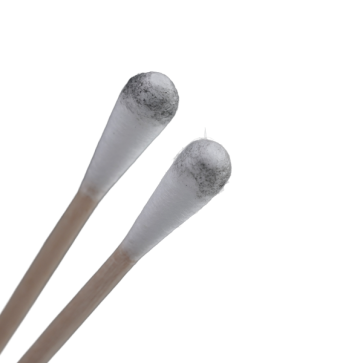
Avery’s Albino spore swabs let you work with one of the cleanest-looking Psilocybe cubensis strains in the Cloud920® line. This leucistic Cambodian mutation produces pale, ghost‑white fruits with almost transparent spores — a sterile swab makes it easy to capture and transfer this delicate spore load to agar or a microscope slide.
Avery’s Albino — Origin & Genetics
Cloud920® Genetics: Heritage Series
Avery’s Albino is a distinctive Psilocybe cubensis variety recognised for its striking pale appearance and its association with Cambodian genetics. Community and reference sources commonly describe it as a Cambodian-derived albino or leucistic line, although the precise historical development of many named cubensis varieties is not formally documented.
What makes Avery’s Albino particularly interesting to mycology enthusiasts is its combination of familiar cubensis morphology with a markedly reduced pigmentation phenotype. The result is a specimen with a clean, pale appearance that makes it especially useful for comparative microscopy and photographic documentation.
Why Choose an Avery’s Albino Spore Swab?
Avery’s Albino is an interesting choice for researchers and collectors who want to examine pigmentation differences within Psilocybe cubensis. Compared with more traditionally pigmented varieties, its pale appearance provides a useful visual contrast when documenting morphology.
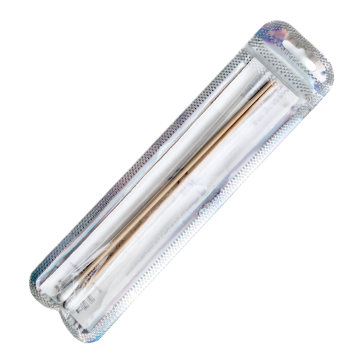
A sterile spore swab offers a compact way to preserve a sample for legitimate microscopy and taxonomic research. Each swab is individually packaged, helping protect the specimen until it is required for observation.
For microscopy work, a swab can also be easier to handle than a loose spore deposit, particularly when the material is visually subtle.
Morphology & Spore Characteristics
- Species: Psilocybe cubensis
- Phenotype: Pale/albino-type appearance associated with Avery’s Albino
- Cap: Typically pale cream to white, with a rounded to convex form
- Stem: White to very pale, with the familiar cylindrical structure associated with cubensis
- Spores: Spore characteristics can be examined microscopically and may provide useful information for comparative study
- Research interest: Particularly suitable for comparing pigmentation and morphological characteristics with more traditionally coloured cubensis varieties
Microscopic examination can reveal the characteristic structures associated with Psilocybe cubensis, including the general shape, surface and pigmentation characteristics of individual spores. As with named mushroom varieties generally, visual characteristics can vary between specimens and should not be treated as a substitute for formal taxonomic identification.
What Makes Avery’s Albino Different?
The most immediately noticeable characteristic is its pale presentation. While several cubensis varieties are marketed under albino or leucistic names, Avery’s Albino is commonly associated with Cambodian-derived genetics. Community references specifically describe it as a Cambodian albino or leucistic variety.
This makes it an appealing specimen for comparative microscopy. Researchers can place Avery’s Albino alongside a more traditionally pigmented cubensis variety and document differences in colour, morphology and microscopic characteristics.
The variety has also appeared in documented fungal breeding research involving Psilocybe cubensis, further illustrating its place among recognised cubensis genetics.
What’s in the Pack?
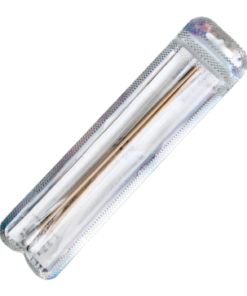
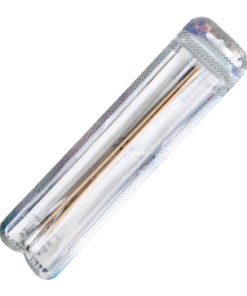
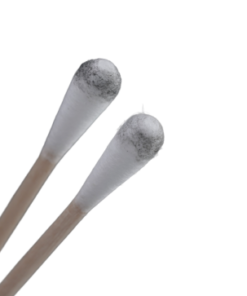
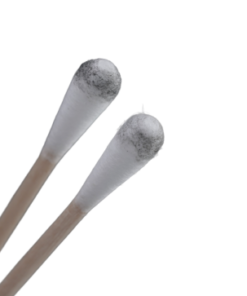
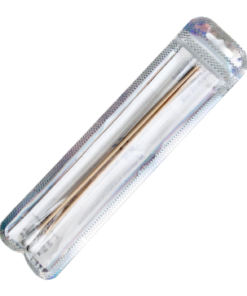
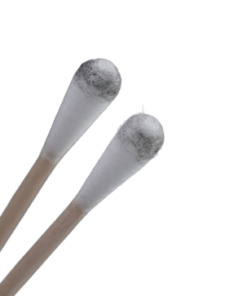
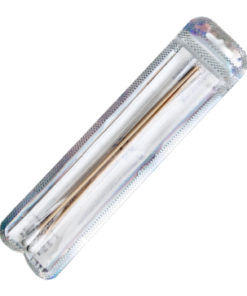
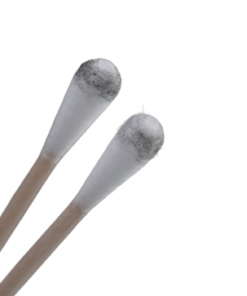
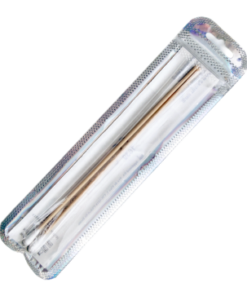
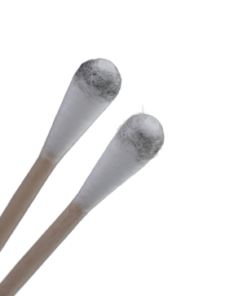
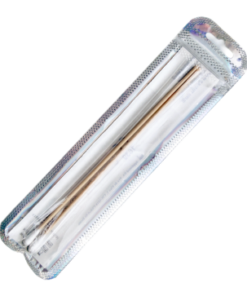
- 2 × sterile cotton spore swabs
- Individually sealed packaging
- Avery’s Albino Psilocybe cubensis spore material
- Compact format suitable for microscopy and taxonomic research
Important: Spore swabs are supplied exclusively for legitimate microscopy, educational and taxonomic research. They are not intended for human consumption.
Microscopy Applications
Avery’s Albino can be particularly interesting for researchers studying variation within Psilocybe cubensis. Its pale phenotype creates a useful comparison with darker-capped or more strongly pigmented varieties. Potential areas of observation include:
- Spore morphology
- Spore size and shape
- Pigmentation characteristics
- Cap and stem morphology
- Differences between named cubensis varieties
- Comparative photographic documentation
- General fungal identification and educational study
When comparing specimens, consistent magnification, lighting and documentation methods can make observations easier to reproduce.
Recommended Research Supplies
For microscopy-focused work, an Avery’s Albino spore swab can be paired with basic laboratory and observation equipment such as:
- Microscope slides — for preparing specimens for microscopic observation
- Cover slips — for protecting prepared slides
- Microscope — suitable for the level of magnification required for your research
- Sterile laboratory accessories — for maintaining clean handling conditions
- Labels and documentation materials — useful for recording variety, date and observation details
Always use laboratory equipment according to the manufacturer’s instructions and applicable safety requirements.
Research Notes
Avery’s Albino is best regarded as a named Psilocybe cubensis variety with a distinctive pale phenotype rather than as a formally standardised scientific taxon. The history and exact genetic relationships of many cubensis varieties are based heavily on community documentation rather than peer-reviewed taxonomic records.
For this reason, researchers should distinguish between cultivar or variety names used by collectors and formally established species-level taxonomy.
Storage
Keep the Avery’s Albino spore swabs in their original sealed packaging and follow the storage conditions supplied with the product. Protect the package from excessive heat, moisture and direct light.
For best sample integrity:
- Keep the swabs sealed until required for research.
- Avoid unnecessary exposure to humidity.
- Store according to the supplier’s recommended temperature range.
- Keep the product clearly labelled with its variety and date.
- Do not consume the contents.
Avery’s Albino for Mycology Research
With its pale phenotype and Cambodian-associated background, Avery’s Albino provides an interesting addition to a microscopy collection. It can be particularly valuable when studying visual variation among Psilocybe cubensis varieties or documenting differences between highly pigmented and pale specimens.
The Cloud920® Heritage Series spore swab format provides a convenient, individually packaged specimen for researchers, collectors and microscopy enthusiasts interested in examining this distinctive cubensis variety.
For microscopy, educational and taxonomic research purposes only. Not for human consumption. Check the laws applicable to your location before purchasing, possessing or researching mushroom spore material.
Be the first to review “Avery’s Albino — Spore Swab Cloud920®”
Related products
Spore Swabs
Spore Swabs
Spore Swabs
Spore Swabs
Spore Swabs
Spore Swabs
Spore Swabs
Reviews
There are no reviews yet.