
Blue Magnolia — Spore Swab Cloud920®
€16,50
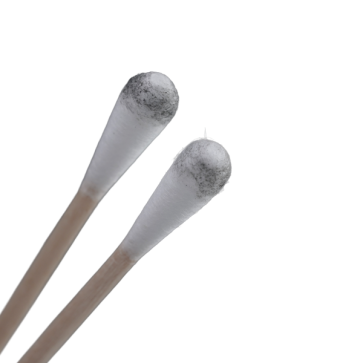
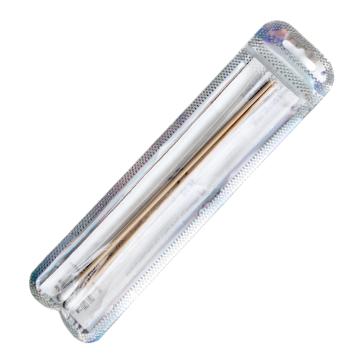
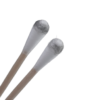
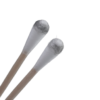
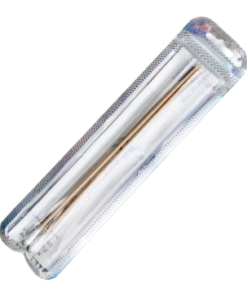
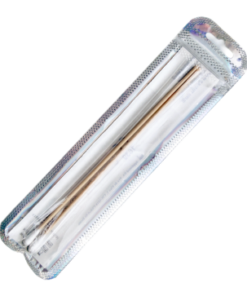
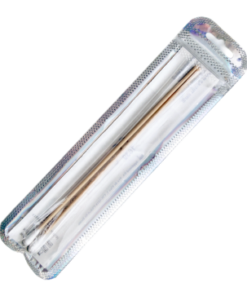
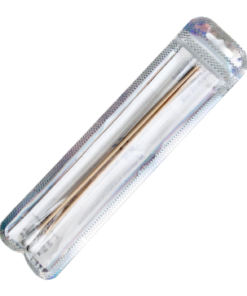
The Blue Magnolia spore swab gives you access to one of the most distinctive wild-origin cubensis strains in the Cloud920® collection. First collected in 2011 near the Mississippi River, Blue Magnolia is known for its massive fruiting bodies, intense blue bruising and lighter-than-average spore deposits — making a pre-loaded swab the most practical way to capture and transfer its genetics. Two individually sealed swabs, ready for agar work and microscopy.
Blue Magnolia — Origin & Genetics
Cloud920® Genetics: Wild Origin
Blue Magnolia is a distinctive Psilocybe cubensis variety associated with a wild Mississippi collection from 2011. Online strain histories commonly attribute the original collection to mycologists known as Doc and Mycotek, with accounts describing specimens discovered in the Mississippi region near a horse ranch.
Some sources further associate the original material with wood chips and horse manure. Because much of the history comes from community documentation rather than formal scientific records, these details are best regarded as reported strain history rather than independently verified taxonomy.
The wild-origin background is what makes Blue Magnolia particularly interesting to collectors and microscopy enthusiasts. Rather than originating solely from a modern cross or laboratory selection, the line is associated with naturally occurring material that was subsequently preserved and developed within the mycology community.
Why Choose a Blue Magnolia Spore Swab?
Blue Magnolia is especially appealing for comparative microscopy because of its distinctive appearance and reported wild Mississippi background.
A sterile spore swab provides a compact format for preserving a sample for legitimate microscopy and taxonomic research. The individual packaging helps protect the specimen from unnecessary exposure until it is required for observation.
For researchers documenting different Psilocybe cubensis varieties, Blue Magnolia can provide an interesting reference point alongside more familiar cubensis specimens.
Morphology & Spore Characteristics
- Species: Psilocybe cubensis
- Reported origin: Mississippi, USA; wild collection associated with 2011
- Cap: Generally described as large, rounded to convex and pale cream to light golden-brown, with colour developing towards the centre as the specimen matures
- Stem: Characteristically substantial and pale, contributing to the variety’s recognisable appearance
- Bruising: Blue bruising is commonly reported as a noticeable characteristic of the variety
- Spores: Purple-brown in mass, with the general morphology associated with Psilocybe cubensis
- Research interest: Useful for comparative observation of morphology, pigmentation and spore characteristics
Under suitable magnification, researchers can examine the typical microscopic structures associated with P. cubensis, including spore shape, surface characteristics and pigmentation.
As with other named cubensis varieties, individual specimens may vary. Strain names used by collectors do not necessarily represent formally recognised taxonomic categories, so microscopy observations should be documented carefully rather than relying on appearance alone for identification.
What Makes Blue Magnolia Different?
The most interesting feature of Blue Magnolia is its reported wild origin. Many contemporary mushroom varieties have histories involving selective breeding, isolation or crosses. Blue Magnolia, by contrast, is associated with a naturally collected Mississippi specimen that was subsequently maintained within the mycology community.
Its reported large fruiting bodies and strong blue bruising also contribute to its distinctive reputation. These characteristics make it an attractive subject for comparative photography and microscopy, particularly when studied alongside other P. cubensis varieties.
The Blue Magnolia name is also associated with related community variants, including Blue Magnolia Rust. These should not automatically be treated as genetically identical, as community strain histories and naming conventions can differ between sources.
What’s in the Pack?
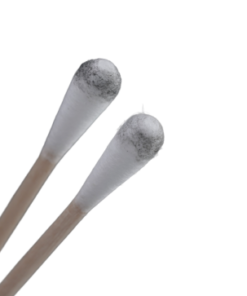
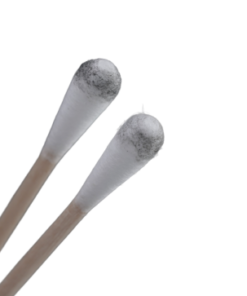
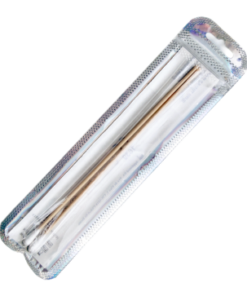
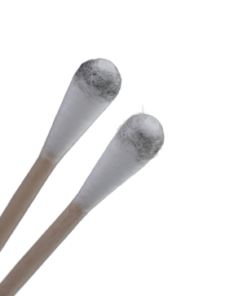
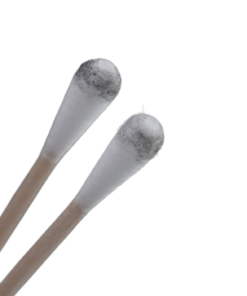
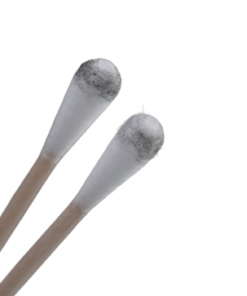
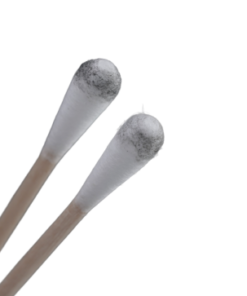
- 2 × sterile cotton spore swabs
- Individually sealed packaging
- Blue Magnolia Psilocybe cubensis spore material
- Compact format intended for microscopy and taxonomic research
Spore swabs are not intended for human consumption. They are supplied exclusively for legitimate microscopy, educational and taxonomic research.
Microscopy Applications
Blue Magnolia can be an interesting addition to a comparative mushroom microscopy collection. Its reported wild-origin background and distinctive visible characteristics provide several potential areas for observation.
Researchers may document:
- Spore shape and morphology
- Spore pigmentation
- Cap structure and pigmentation
- Stem morphology
- Differences between named P. cubensis varieties
- Visible bruising characteristics
- Photographic differences between specimens
- General fungal morphology
Comparing Blue Magnolia with established reference specimens can help illustrate the range of visible and microscopic variation encountered within cultivated and documented cubensis material.
Recommended Research Equipment
For microscopy-focused work, consider pairing the Blue Magnolia spore swab with appropriate laboratory observation equipment, such as:
- Microscope slides — for preparing specimens for observation
- Cover slips — for protecting prepared slides
- Microscope — selected according to the magnification required
- Clean laboratory accessories — for controlled sample handling
- Labels and laboratory notes — useful for maintaining accurate specimen records
Use all laboratory equipment according to the manufacturer’s instructions and follow applicable health and safety requirements.
Blue Magnolia Research Notes
The history surrounding Blue Magnolia is largely preserved through online mycology communities and specialist strain documentation. Available sources consistently associate the variety with a wild Mississippi collection from 2011, but the precise genetic history and subsequent stabilisation are not supported by extensive peer-reviewed scientific literature.
For serious research, it is therefore useful to distinguish between community strain history and formally documented fungal taxonomy.
This distinction is particularly important when recording observations: a commercial or community variety name identifies the supplied material, but microscopic examination alone may not establish a complete genetic lineage.
Storage & Sample Care
Keep Blue Magnolia spore swabs in their original sealed packaging and follow the storage recommendations provided with the product.
For maintaining sample integrity:
- Keep the packaging sealed until required for research.
- Protect the swabs from excessive moisture.
- Avoid prolonged exposure to heat and direct sunlight.
- Keep the product clearly labelled.
- Record the variety and acquisition date for future reference.
- Do not consume the contents.
Add Blue Magnolia to Your Mycology Collection
Blue Magnolia offers an interesting combination of reported wild Mississippi origins, distinctive morphology and a recognisable place within the broader Psilocybe cubensis community. Its background makes it a useful addition to collections focused on comparative microscopy, fungal morphology and educational study.
The Cloud920® Wild Origin spore swab format provides a compact, individually packaged specimen for researchers and microscopy enthusiasts who want to examine this distinctive variety as part of a legitimate mycology reference collection.
For microscopy, educational and taxonomic research purposes only. Not for human consumption. Check the laws applicable to your location before purchasing, possessing or researching mushroom spore material.
Be the first to review “Blue Magnolia — Spore Swab Cloud920®”
Related products
Spore Swabs
Spore Swabs
Spore Swabs
Spore Swabs
Spore Swabs
Spore Swabs
Spore Swabs
Reviews
There are no reviews yet.