

Hillbilly Pumpkin — Spore Swab Cloud920®
€16,50
The Hillbilly Pumpkin spore swab gives you access to one of the most visually distinctive wild-origin cubensis strains available. First foraged in Arkansas in the late 1990s and later isolated for its signature pumpkin-shaped phenotype, Hillbilly Pumpkin is a prolific, contamination-resistant strain that produces some of the most recognisable fruits in the cubensis world — and dense, dark spore deposits that make agar work straightforward. Two individually sealed swabs, ready to use.
Hillbilly Pumpkin — Origin & Genetics
Cloud920® Genetics: Wild Origin
Hillbilly Pumpkin is a distinctive Psilocybe cubensis variety known for its unusually rounded, heavy-looking morphology and characteristic pumpkin-like appearance.
Community strain histories generally connect Hillbilly Pumpkin to the original Hillbilly line, which is reported to have originated from wild P. cubensis collected in Arkansas during the 1990s. Hillbilly Pumpkin is subsequently described as a selected phenotype of that lineage, distinguished by its broad caps, substantial stems and striking overall proportions.
The history of named cubensis varieties is often preserved through mycology communities rather than formal scientific publications, so individual details concerning collectors, dates and genetic stabilisation should be regarded as reported strain history rather than independently verified taxonomy.
Why Choose a Hillbilly Pumpkin Spore Swab?
Hillbilly Pumpkin is particularly interesting for microscopy because of its distinctive phenotype. The broad, rounded cap structure and substantial stems provide an easily recognisable visual reference when comparing different Psilocybe cubensis varieties.
A sterile spore swab offers a convenient, individually packaged format for legitimate microscopy, educational and taxonomic research. It keeps the specimen contained until it is required for examination and avoids the need to handle a loose spore deposit.
For researchers building a comparative collection, Hillbilly Pumpkin can sit alongside more traditional cubensis varieties as an example of how pronounced morphological differences can occur within the species.
Morphology & Spore Characteristics
- Species: Psilocybe cubensis
- Lineage: Hillbilly Pumpkin, generally described as a Hillbilly variant
- Reported background: Associated with the Arkansas-origin Hillbilly line
- Cap: Broad and rounded, often developing a distinctive pumpkin-like silhouette; colour may range from caramel and light brown through warmer orange-brown shades
- Stem: Typically substantial and robust in appearance, contributing to the characteristic proportions of the variety
- Spores: Generally described as purple-brown, consistent with the typical spore pigmentation associated with P. cubensis
- Research interest: Particularly useful for comparative observation of cap morphology, pigmentation, spore characteristics and overall specimen structure
Under appropriate magnification, researchers can examine the characteristic features of P. cubensis spores, including their general shape, surface and pigmentation. Individual specimens can vary, however, so observations should be recorded carefully rather than assuming every specimen will display identical characteristics.
The Distinctive Hillbilly Pumpkin Phenotype
The name Hillbilly Pumpkin comes from the variety’s unusual visual form. Rather than displaying the more conventional proportions seen in many cubensis specimens, this phenotype is recognised for broad, rounded caps and a substantial overall structure.
This distinctive appearance has helped Hillbilly Pumpkin become a recognisable name within the wider mycology community. Current strain references describe it as a Hillbilly variant and highlight its characteristic pumpkin-shaped caps.
For microscopy enthusiasts, that makes it an appealing specimen to compare with other cubensis varieties. Photographic documentation can also help illustrate differences in cap shape, colour and structural development between named specimens.
What’s in the Pack?
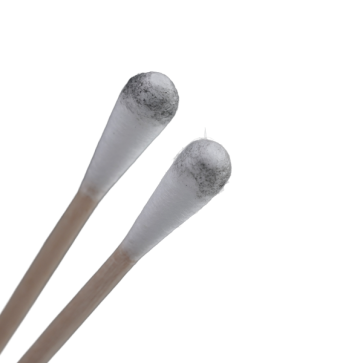
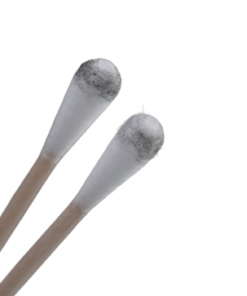
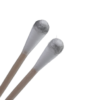
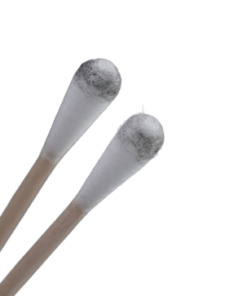
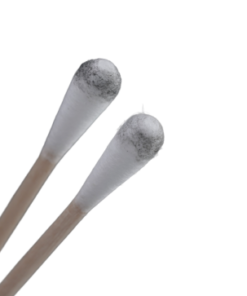
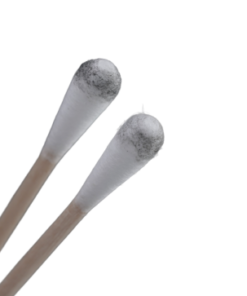
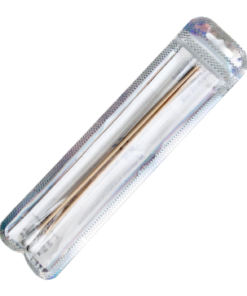
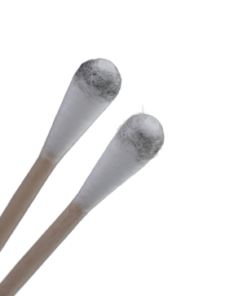
- 2 × sterile cotton spore swabs
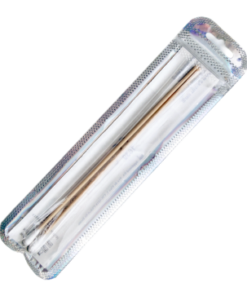
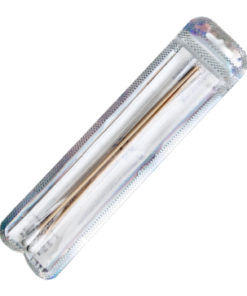
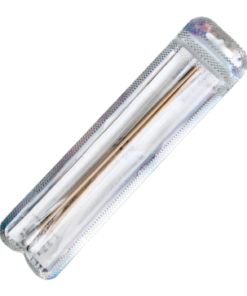
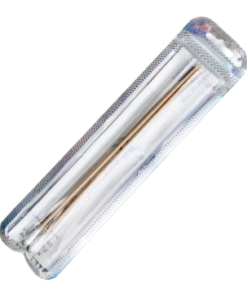
- Individually sealed packaging
- Hillbilly Pumpkin Psilocybe cubensis spore material
- Compact format for microscopy and taxonomic research
Spore swabs are not intended for human consumption. They are supplied exclusively for legitimate microscopy, educational and taxonomic research.
Microscopy Applications
Hillbilly Pumpkin can add useful variety to a microscopy collection, particularly when the objective is to compare visible and microscopic characteristics between named P. cubensis specimens.
Possible areas of observation include:
- Spore shape and morphology
- Spore pigmentation
- Cap structure and colour
- Stem morphology
- Surface characteristics
- Variation between named cubensis varieties
- Photographic documentation
- General fungal morphology
A consistent approach to magnification, lighting and photographic documentation can make comparisons between specimens easier to interpret.
Hillbilly Pumpkin Compared with Other Cubensis
Many P. cubensis varieties share broadly similar microscopic characteristics, but their visible morphology can differ considerably. Hillbilly Pumpkin is notable primarily for its distinctive proportions and rounded cap structure.
This makes it particularly useful as a comparative specimen. A collection containing Hillbilly Pumpkin alongside varieties with more conventional cap shapes can demonstrate the range of morphological variation encountered within cultivated cubensis material.
It is important to remember that a commercial strain or variety name is not necessarily equivalent to a formally recognised taxonomic classification. Names may describe a particular lineage, selection or community phenotype.
Research & Educational Value
The appeal of Hillbilly Pumpkin extends beyond its unusual appearance. Its reported connection to the Hillbilly lineage provides an interesting starting point for discussions about fungal selection, phenotype variation and the way named mushroom varieties develop within mycology communities.
Researchers and students can use specimens such as this to explore topics including:
- Fungal reproduction
- Spore morphology
- Phenotypic variation
- Mushroom identification
- Fungal genetics and lineage terminology
- Comparative microscopy
- The history of community-developed mushroom varieties
For formal scientific work, community strain histories should be distinguished from peer-reviewed taxonomic records.
Recommended Microscopy Equipment
For legitimate microscopy and educational work, the Hillbilly Pumpkin spore swab can be used alongside suitable laboratory observation equipment, including:
- Microscope slides — for preparing samples for observation
- Cover slips — for protecting prepared specimens
- Microscope — selected according to the required level of magnification
- Clean laboratory accessories — for controlled sample handling
- Labels and research notes — for recording specimen identity and observations
Always follow the manufacturer’s instructions for laboratory equipment and maintain appropriate safety practices.
Storage & Sample Care
Keep Hillbilly Pumpkin spore swabs in their original sealed packaging and follow the storage guidance supplied with the product.
For good sample preservation:
- Keep the packaging sealed until required.
- Protect the swabs from excessive humidity.
- Avoid prolonged exposure to heat and direct sunlight.
- Store the specimen in accordance with the supplier’s recommendations.
- Keep the variety name and acquisition information clearly recorded.
- Do not consume the contents.
Build a Comparative Mushroom Collection
Hillbilly Pumpkin is an appealing addition to a reference collection because its distinctive morphology offers an obvious point of comparison with more conventional cubensis varieties.
You can document differences in cap form, colour, stem structure and microscopic characteristics across several named specimens. Over time, this can create a useful visual and microscopic reference library for educational and mycology-focused projects.
Why Choose the Cloud920® Hillbilly Pumpkin Spore Swab?
The Cloud920® Heritage Series format combines a distinctive cubensis variety with a simple, compact specimen format designed for legitimate research.
Key features include:
- Hillbilly Pumpkin Psilocybe cubensis material
- Distinctive pumpkin-like phenotype
- Reported connection to the Arkansas Hillbilly lineage
- Individually packaged sterile swabs
- Convenient format for microscopy
- Suitable for comparative fungal research
- Useful for educational specimen collections
- Compact storage format
Frequently Asked Questions
What is Hillbilly Pumpkin?
Hillbilly Pumpkin is a named Psilocybe cubensis variety generally described as a distinctive Hillbilly phenotype. It is recognised for its broad, rounded, pumpkin-like appearance.
Where does Hillbilly Pumpkin come from?
Available community strain references associate Hillbilly Pumpkin with the original Hillbilly line and describe the Hillbilly lineage as having Arkansas origins. The detailed history of the variety is primarily preserved through community documentation rather than formal scientific literature.
What makes the variety visually distinctive?
Its broad, rounded caps and substantial overall proportions give Hillbilly Pumpkin a recognisable appearance that differs from many conventionally shaped cubensis specimens.
What is included with the spore swab?
The product contains two individually packaged sterile cotton spore swabs containing Hillbilly Pumpkin P. cubensis spore material.
Are the spore swabs intended for consumption?
No. The swabs are supplied for microscopy, educational and taxonomic research purposes only and should not be consumed.
Can Hillbilly Pumpkin be identified solely by appearance?
No. Visual characteristics can vary, and the appearance of a mushroom is not sufficient for definitive genetic identification. Named variety terminology should therefore be distinguished from formal taxonomic identification.
How should the swabs be stored?
Keep them sealed and protected from heat, moisture and direct light, following the storage recommendations provided with the product.
Explore Hillbilly Pumpkin
With its reported Arkansas-associated lineage, unusual rounded phenotype and recognisable place within the cubensis community, Hillbilly Pumpkin is an interesting specimen for microscopy enthusiasts and educational mycology collections.
The Cloud920® spore swab provides a compact way to add this distinctive variety to a legitimate research collection while keeping the specimen individually sealed and clearly identified.
For microscopy, educational and taxonomic research purposes only. Not for human consumption. Check the laws applicable to your location before purchasing, possessing or researching mushroom spore material.
Be the first to review “Hillbilly Pumpkin — Spore Swab Cloud920®”
Related products
Spore Swabs
Spore Swabs
Spore Swabs
Spore Swabs
Spore Swabs
Spore Swabs
Spore Swabs
Reviews
There are no reviews yet.