
Penis Envy — Spore Swab Cloud920®
€16,50
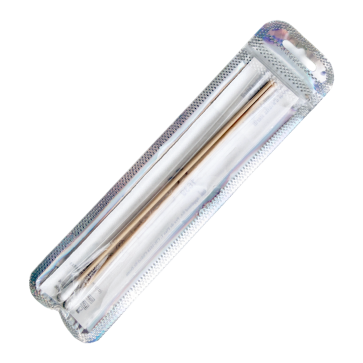
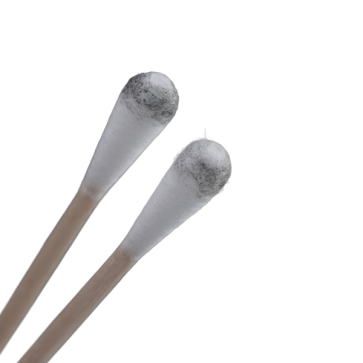
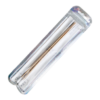
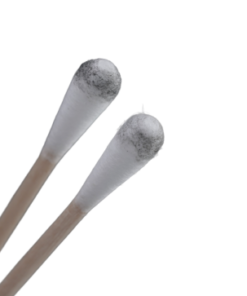
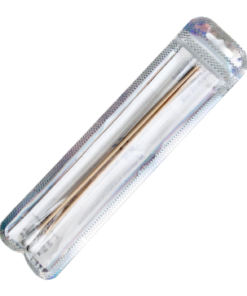
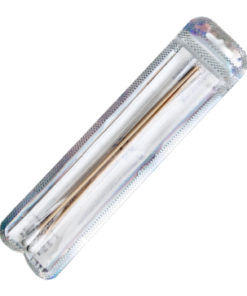
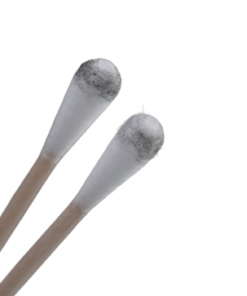
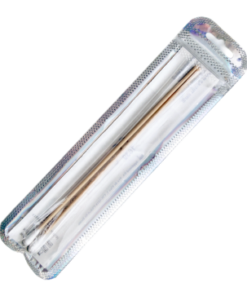
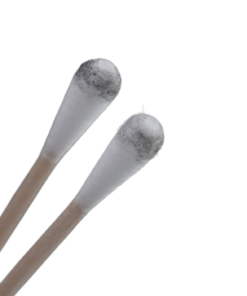
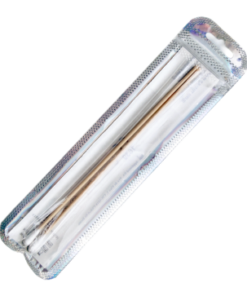
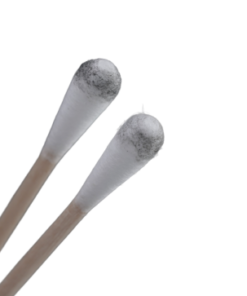
The Penis Envy spore swab gives you direct access to one of the most iconic and hard-to-collect Psilocybe cubensis strains. Because PE caps barely open, traditional spore prints are nearly impossible — a sterile swab rubbed along the gills is the only reliable way to capture these spores. Two individually sealed swabs, ready for agar work and microscopy.
Penis Envy — Origin & Genetics
Cloud920® Genetics: Heritage Series
Few Psilocybe cubensis varieties have attracted as much attention as Penis Envy. Its distinctive appearance, unusual reproductive characteristics and long-standing place in mycology communities have made it one of the most recognisable cubensis lines available today.
The early history of Penis Envy is surrounded by a mixture of documented events, community accounts and later folklore. The variety is commonly associated with Amazonian P. cubensis material linked to Terence McKenna and with subsequent work attributed to mycologist and physician Steven Pollock.
However, the precise chain of genetic provenance and the exact roles played by the individuals involved are not completely established. Some of the most widely repeated versions of the story have subsequently been questioned by people connected with the original accounts.
What is much less controversial is the distinctive phenotype itself. Penis Envy is recognised by its unusually thick stem, compact cap and limited visible spore production. The line later became the foundation for numerous related varieties, including Albino Penis Envy, PE Uncut and other PE-derived genetics.
Why a Spore Swab Is Suitable for Penis Envy
Penis Envy is notably different from many conventional cubensis varieties when it comes to spore production. Mature specimens often retain a partially closed cap and persistent veil, resulting in considerably less visible spore release than varieties known for producing heavy prints.
For microscopy collections, a sterile spore swab provides a compact alternative to a conventional spore print. It allows a small specimen of PE spore material to be maintained in an individually sealed format without relying on a large visible deposit.
This makes the swab particularly useful for researchers interested in examining the distinctive spore characteristics of the Penis Envy lineage.
Morphology & Spore Characteristics
- Species: Psilocybe cubensis
- Cap: Generally small in relation to the stem, often rounded, bulbous or partially closed. Colour may range from pale tan and beige through light brown shades.
- Stem: Characteristically thick, dense and club-shaped, creating the unusual appearance for which the variety is named.
- Surface reaction: Bluish bruising can develop following physical contact.
- Spores: Typically described as purple-brown and broadly ellipsoid, consistent with the general morphology of P. cubensis.
- Spore production: Significantly reduced compared with prolific-printing cubensis varieties.
Under suitable microscopy, Penis Envy spores display the familiar general characteristics of P. cubensis, including smooth walls, an ellipsoid profile and a visible germ pore under appropriate magnification.
The limited quantity of visible spore material is one of the features that makes PE particularly interesting for comparative microscopy. Placing PE specimens alongside heavier-sporing varieties can highlight the considerable variation in reproductive characteristics found among cultivated cubensis lines.
What Makes Penis Envy Different?
Penis Envy is immediately recognisable because its morphology differs substantially from the appearance associated with many conventional cubensis varieties.
The thick, compact stem and comparatively small cap create a distinctive silhouette, while the partially closed cap can contribute to its unusually limited spore dispersal. These characteristics have helped establish PE as one of the most recognisable named cubensis lines in mycology communities.
Its history is equally distinctive. Over several decades, the original PE line has become associated with numerous related varieties and genetic projects, giving rise to a broader family of PE-derived names and phenotypes.
For microscopy enthusiasts, this combination of unusual morphology, reduced visible sporulation and extensive genetic history makes Penis Envy an especially interesting reference specimen.
What’s in the Pack?
- 2 × sterile cotton spore swabs, individually sealed
- Each swab contains Psilocybe cubensis Penis Envy spore material
- Compact format suitable for microscopy and taxonomic research
Spore swabs are supplied exclusively for microscopy, mycology research and educational purposes. They are not intended for human consumption.
Microscopy Applications
Penis Envy specimens can be incorporated into a comparative microscopy collection alongside other P. cubensis varieties.
Researchers may examine characteristics such as:
- General spore morphology
- Spore pigmentation
- Ellipsoid shape
- Germ-pore characteristics
- Relative spore abundance
- Differences between PE and conventional cubensis varieties
- Morphological variation between individual specimens
Because PE is associated with relatively limited spore production, it can provide an interesting contrast with varieties that generate much heavier visible deposits.
Recommended Research Equipment
For legitimate microscopy and educational work, useful laboratory equipment may include:
- Microscope slides and coverslips — for preparing specimens for observation
- Petri dishes — for appropriate laboratory research applications
- Agar agar — where permitted and appropriate for scientific work
- Light Malt Extract (LME) — a commonly used laboratory medium component
- Parafilm — for suitable laboratory sealing applications
- Microscope — appropriate for examining fungal structures at suitable magnification
Use all laboratory materials only for their intended research purposes and in accordance with applicable regulations.
Research & Handling Notes
Penis Envy specimens are best treated as reference material for microscopy and mycological study. Keep samples clearly labelled with the variety name and acquisition details to maintain accurate records.
Protect sealed specimens from excessive heat, moisture and direct light. Good specimen documentation can be particularly valuable when comparing PE with other cubensis varieties or maintaining a long-term microscopy collection.
Storage
Keep Penis Envy spore swabs in their original sealed packaging and follow the supplier’s recommended storage conditions. Store them away from excessive heat, moisture and direct light.
Maintain the packaging seal until the specimen is required for permitted microscopy or research use. Once opened, follow appropriate laboratory hygiene and specimen-handling practices.
Frequently Asked Questions
What is Penis Envy?
Penis Envy is a well-known named variety of Psilocybe cubensis, recognised for its unusually thick stem, compact cap and comparatively low visible spore production.
Where did Penis Envy originate?
Its history is commonly linked to Amazonian P. cubensis material and later work associated with figures including Terence McKenna, Steven Pollock and Rich Gee. However, several details of the traditional origin story remain disputed, so the entire lineage should not be presented as definitively documented.
Why does Penis Envy produce fewer visible spores?
The variety is associated with caps that frequently remain partially closed and retain a persistent veil. This can significantly limit visible spore release compared with more prolific cubensis varieties.
What can be observed under a microscope?
Suitable microscopy can reveal general spore shape, pigmentation, surface characteristics and germ-pore features. Comparative examination can also demonstrate differences between PE and other P. cubensis varieties.
Are these spore swabs intended for consumption?
No. The products are intended solely for microscopy, mycology research and educational purposes and must not be consumed.
Are mushroom spores legal in the EU?
Rules concerning mushroom spores, mycelium, cultivation materials and related specimens differ between EU Member States and can also depend on the species and intended use. Always check the current legislation applicable in your country before purchasing, possessing or using these materials.
Explore the Penis Envy Collection
Explore the Penis Envy spore swab collection as part of a broader microscopy and mycology reference library. Its distinctive morphology, limited visible sporulation and unusual place in cubensis history make it an intriguing specimen for comparative fungal research.
For microscopy, mycology research and educational purposes only. Not for human consumption.
Be the first to review “Penis Envy — Spore Swab Cloud920®”
Related products
Spore Swabs
Spore Swabs
Spore Swabs
Spore Swabs
Spore Swabs
Spore Swabs
Spore Swabs
Reviews
There are no reviews yet.