


Costa Rica Psilocybe cubensis — Origin & Characteristics
Cloud920® Genetics: Wild-Origin Collection
Costa Rica is a well-known Psilocybe cubensis variety associated with wild populations from Costa Rica. It is generally described as a Central American landrace that entered the international mycology community through spore exchanges during the late 1990s and early 2000s.
Unlike varieties with a clearly documented breeder or single recognised originator, Costa Rica has circulated through the mycology community as a wild-derived line. Its reputation is based on its distinctive appearance, characteristic spore morphology and consistent representation within collections of P. cubensis specimens.
Identifying Costa Rica
Costa Rica specimens are commonly recognised by their golden-brown to caramel-coloured caps, often featuring a pronounced central umbo. Mature caps generally become broader and flatter, while the stems are typically white, substantial and relatively robust.
For microscopy and comparative study, the variety provides a useful reference specimen because its pigmentation and conventional P. cubensis characteristics make it straightforward to distinguish from several pale or albino-associated varieties.
Typical characteristics include:
- Species: Psilocybe cubensis
- Origin: Costa Rica, wild-associated lineage
- Cap: Golden-brown to caramel, often with a prominent central umbo
- Stem: White to pale cream with a sturdy appearance
- Spores: Purple-brown in mass, consistent with typical P. cubensis morphology
- Research interest: Comparative morphology, spore observation and taxonomic study
Spore Morphology & Microscopy
Under suitable magnification, Costa Rica spores display the familiar characteristics associated with Psilocybe cubensis. Their smooth walls, ellipsoid form and characteristic pigmentation make them useful for comparison with other cubensis varieties.
Studying Costa Rica alongside varieties such as B+, Golden Teacher or Ecuador can demonstrate how closely related specimens can retain broadly similar microscopic characteristics while displaying noticeable differences in macroscopic appearance.
Microscopy may be used to examine features including:
- Spore shape and dimensions
- Pigmentation
- Surface characteristics
- Germ-pore visibility
- Differences between specimens
- Morphological variation between named varieties
As with any specimen collection, observations should be treated as descriptive rather than definitive species identification without appropriate taxonomic methodology.
What Makes Costa Rica Interesting?
Costa Rica stands out primarily because of its wild-associated Central American background and recognisable morphology. Its golden coloration, pronounced umbo and substantial fruiting structure provide a useful contrast with varieties displaying albino, leucistic or unusually compact phenotypes.
For collectors interested in mycology, the variety can form part of a broader comparative reference collection containing specimens from different geographical backgrounds and genetic lines.
Costa Rica Spore Vial
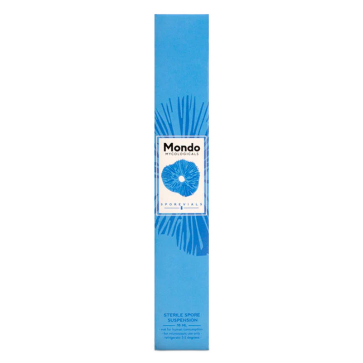
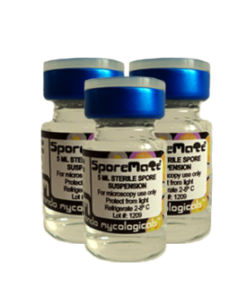
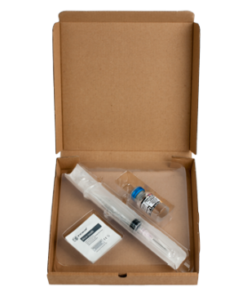
Each Costa Rica spore vial is presented as a research specimen containing Psilocybe cubensis spores suspended in a sterile preservation medium. The format is particularly convenient for microscopy because the material is contained within a compact, labelled vial rather than requiring the handling of a loose spore print.
Contents
- 1 × glass vial containing approximately 10 ml of sterile spore suspension
- 1 × sterile syringe
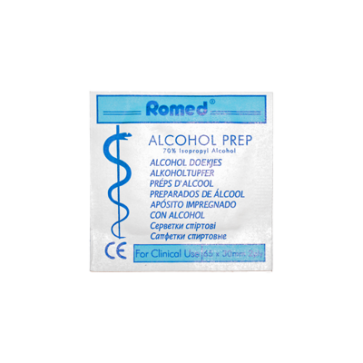
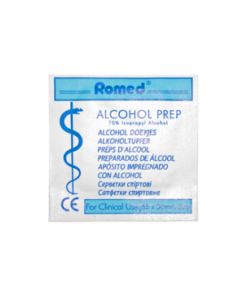
- 2 × alcohol preparation pads
- Protective carton packaging
The product is intended exclusively for microscopy, mycology research and educational purposes and is not intended for human consumption.
Why Choose a Spore Vial?
A vial offers several practical advantages for maintaining a research collection:
- Compact format — easy to label and organise alongside other specimens.
- Protected storage — the enclosed format helps minimise unnecessary exposure to the surrounding environment.
- Convenient handling — liquid suspension can be examined as part of appropriate microscopy procedures.
- Clear identification — each specimen can be recorded by variety and acquisition date.
- Comparative research — useful when building a collection containing multiple P. cubensis varieties.
Costa Rica at a Glance
| Characteristic | Costa Rica |
|---|---|
| Species | Psilocybe cubensis |
| Background | Costa Rican wild-associated lineage |
| Cap appearance | Golden-brown to caramel |
| Central feature | Pronounced umbo often present |
| Stem appearance | White to pale cream |
| Spore colour | Purple-brown in mass |
| Research focus | Microscopy and comparative morphology |
| Collection format | Spore vial |
Research & Educational Applications
Costa Rica can be particularly interesting within a comparative mycology collection. Examining specimens from different named varieties allows researchers and microscopy enthusiasts to document both shared characteristics and visible differences.
A reference collection might include conventional pigmented varieties alongside leucistic or albino-associated specimens. This creates opportunities to compare:
- Spore pigmentation
- Spore morphology
- Cap characteristics
- General specimen structure
- Variation between named lines
- Differences associated with geographical provenance
Keeping detailed labels and records for each specimen can also make long-term observations easier to organise.
Storage & Specimen Care
Keep the vial sealed and stored according to the supplier’s recommended conditions. Protect it from excessive heat, direct light and unnecessary environmental exposure.
Maintain clear records of the variety, acquisition date and storage conditions. If the appearance of the suspension changes noticeably or contamination is suspected, the specimen should not be used for research.
Important Legal Information
Regulations concerning Psilocybe species, spores, mycelium and cultivation-related materials are not uniform across the European Union. The legal position can depend on the individual Member State and the particular material involved. Do not assume that a product is legal simply because it contains spores rather than mature mushrooms.
Before purchasing, importing, possessing or using these materials, check the current legislation applicable in your country and any relevant restrictions concerning controlled fungi or cultivation-related materials. European drug-control policy and national legislation can differ substantially between jurisdictions.
For microscopy, mycology research and educational purposes only. Not for human consumption.
Be the first to review “Costa Rica — Spore Vial 10ml”
Related products

Spore Vials
Spore Vials

Spore Vials

Spore Vials
Spore Vials

Spore Vials

Spore Vials

Spore Vials
Reviews
There are no reviews yet.