
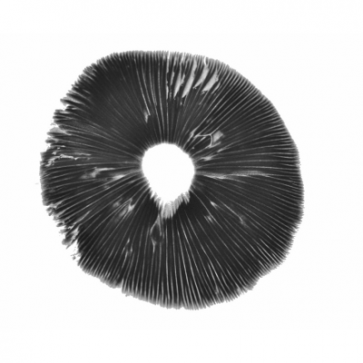
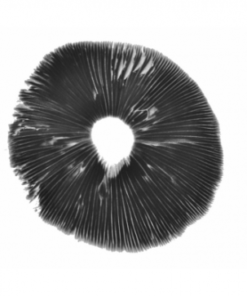
Cambodian Psilocybe Cubensis Spore Print
€22,50
The Cambodian is a classic wild-collected Psilocybe cubensis strain, originally discovered near the ancient Angkor Wat temple complex in Siem Reap, Cambodia. It is known for its caramel to cinnamon-brown caps, sturdy stems and exceptionally fast colonisation speed.
Collectors value the Cambodian for its rich cultural backstory and its reputation as one of the most vigorous cubensis strains ever brought into circulation.
Cambodian Psilocybe Cubensis Spore Print
The Cambodian strain is a well-known wild-collected Psilocybe cubensis variety with a particularly memorable history. Associated with the tropical surroundings of Angkor Wat in Cambodia, this lineage has become recognised for its vigorous growth characteristics, warm natural colouring and long-standing presence in the international spore-collecting community.
A Strain Linked to Angkor Wat
Cambodian entered wider mycological circulation around the turn of the millennium after being collected by ethnomycologist John W. Allen, often referred to within the mycology community as “Mushroom John”. The collection was reportedly made from cattle dung in the vicinity of the Angkor Wat complex near Siem Reap.
Cambodia’s hot and humid tropical climate provides a natural environment in which Psilocybe cubensis can occur. Following its introduction to Western spore circles, the Cambodian lineage quickly became known for its vigorous growth and distinctive tropical character.
Today, it remains one of the more recognisable wild-type cubensis varieties and an interesting addition to collections focused on geographical lineages.
Distinctive Cambodian Morphology
Cambodian has a traditional tropical cubensis appearance with several characteristic features:
- Cap: Medium-sized and generally caramel to cinnamon-brown, becoming broader as it matures. A subtle central prominence may develop, while the margins can appear somewhat lighter.
- Stem: White to pale tan, sturdy and relatively dense, with the characteristic blue bruising associated with P. cubensis.
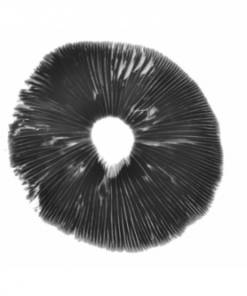
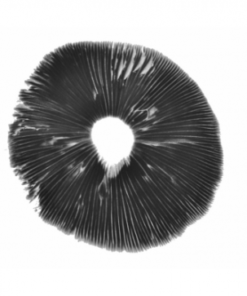
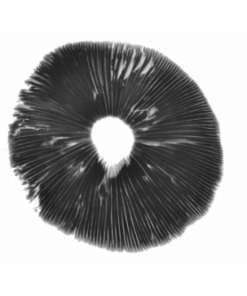
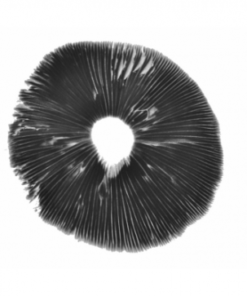
- Spore print: Typically dark purple-brown, providing a strong visual contrast against lighter collection surfaces.
- Overall appearance: Compact, balanced fruit bodies with warm earthy tones and a distinctly tropical aesthetic.
Known for Vigorous Growth Characteristics
Cambodian has developed a long-standing reputation among cultivation communities for rapid colonisation and vigorous mycelial development. Its tropical background is often cited as one reason for its affinity with warmer environmental conditions.
These characteristics have made Cambodian a popular reference lineage for enthusiasts interested in comparing growth patterns between geographically associated cubensis varieties. As always, actual performance can vary according to genetics, environmental conditions and other variables.
An Interesting Choice for Microscopy Collections
The Cambodian strain is particularly appealing to collectors interested in geographical diversity within Psilocybe cubensis. Its documented association with Cambodia, distinctive morphology and strongly pigmented spores make it an interesting specimen for comparative microscopy.
Individual specimens can naturally differ in size, shape and colour, particularly when working with multi-spore material. The characteristics described here should therefore be considered typical traits rather than guaranteed features of every specimen.
How to Use a Spore Print
Not sure how to handle a spore print after it arrives? Our dedicated guide explains the basic principles of working with, preparing and storing spore prints for microscopy and collection purposes.
Why Add Cambodian to Your Collection?
For anyone creating a diverse Psilocybe cubensis spore library, Cambodian represents an appealing tropical lineage with a fascinating geographical background. Its association with the Angkor Wat region, traditional cubensis morphology and reputation for vigorous growth have helped it maintain a strong presence among collectors.
Whether your interest is in geographical diversity, mushroom morphology or the history of modern Psilocybe collecting, Cambodian offers a distinctive piece of cubensis heritage for a well-rounded spore library.
Be the first to review “Cambodian Psilocybe Cubensis Spore Print”
Related products
Spore Prints
Spore Prints
Spore Prints
Spore Prints
Spore Prints
Spore Prints
Spore Prints
Spore Prints
Reviews
There are no reviews yet.