
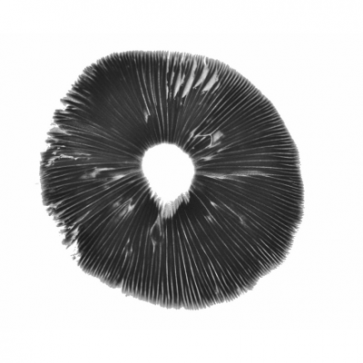
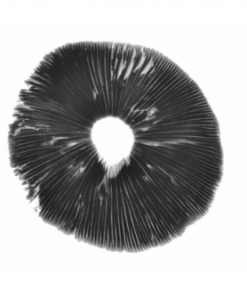
PES Hawaiian psilocybe cubensis spore print
€22,50
The PES Hawaiian is a Psilocybe cubensis strain originally distributed by the Hawaiian company Pacifica Exotica Spora (PES) — not to be confused with the far more potent Panaeolus cyanescens, which is an entirely different species.
It produces large, meaty fruiting bodies with broad golden-brown caps, thick stems and generous flushes.
PES Hawaiian is valued for its vigorous growth, high contamination resistance and warm, tropical character that makes it one of the most rewarding cubensis varieties to work with.
PES Hawaiian — A Distinctive Cubensis with a Confusing Name
The PES Hawaiian is a well-known Psilocybe cubensis variety with a particularly interesting history. Despite the word “Hawaiian” in its name, it should not be confused with the Hawaiian Panaeolus cyanescens commonly associated with the same nickname. The two belong to entirely different genera and have noticeably different appearances.
PES Hawaiian is recognised for its substantial fruiting bodies, warm golden-brown colouring and distinctive tropical heritage. Its combination of historical interest and characteristic morphology has made it a popular addition to collections centred on Psilocybe diversity.
The Story Behind the PES Name
“PES” is associated with Pacifica Exotica Spora, an early commercial spore company based in Hawaii. The company played a notable role in the distribution and preservation of several named Psilocybe cubensis varieties.
The Hawaiian designation therefore refers primarily to the history of the spore company rather than establishing Hawaii as the wild origin of this particular mushroom. The precise genetic background of PES Hawaiian remains uncertain, with different historical accounts offering varying explanations for its development and selection.
That uncertainty is part of what makes the variety interesting from a historical and taxonomic perspective.
PES Hawaiian vs Hawaiian Panaeolus cyanescens
The shared name is a frequent source of confusion, but the distinction is straightforward:
- PES Hawaiian: A variety of Psilocybe cubensis, characterised by comparatively large fruiting bodies, broad caps and dark purple-brown spores.
- Hawaiian Panaeolus cyanescens: A completely different species belonging to the genus Panaeolus, generally recognised by its much more delicate morphology, smaller pale caps and black spore deposits.
In other words, the names overlap, but the mushrooms themselves are not the same species.
For anyone building a diverse microscopy or spore collection, having examples from both groups can provide an interesting comparison of morphology and taxonomy.
Distinctive Morphological Features
PES Hawaiian is generally associated with a bold, substantial appearance:
- Cap: Broad and convex, developing from orange-brown or golden-brown tones towards lighter golden shades. Mature specimens may flatten and can display a noticeable central elevation.
- Stem: Typically white to yellowish-white, comparatively thick and fleshy, giving mature specimens a substantial appearance.
- Colouration: Warm golden and brown tones give the variety its characteristic tropical aesthetic.
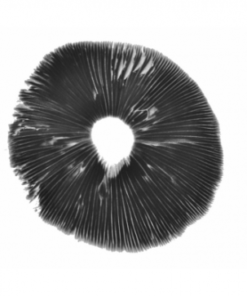
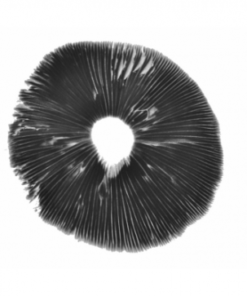
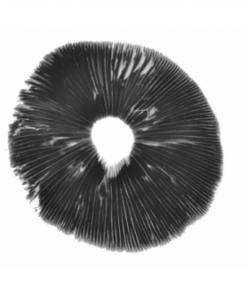
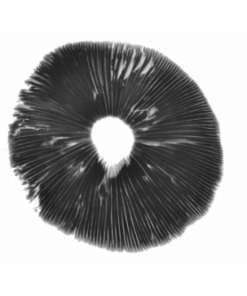
- Spore print: Dark purple-brown, providing a strong visual contrast with the lighter fruiting bodies.
Individual specimens can naturally vary, particularly when examining multi-spore material, so these characteristics should be regarded as typical rather than absolute identifiers.
A Fascinating Piece of Spore-Trading History
PES Hawaiian is particularly interesting because its name reflects the history of early commercial spore distribution. Pacifica Exotica Spora was part of a period when named Psilocybe varieties became increasingly familiar to collectors, microscopists and mycology enthusiasts.
The strain therefore represents more than a distinctive phenotype. It also provides a connection to the development of the modern Psilocybe spore-collecting community and the early commercial preservation of named cubensis varieties.
Interesting for Microscopy and Collection Building
For microscopy enthusiasts, PES Hawaiian offers several features worth examining. The contrast between its substantial fruiting-body morphology and dark spore deposits makes it readily distinguishable from more delicate Panaeolus specimens.
It can also serve as a useful comparison point alongside other P. cubensis varieties, particularly when studying differences in:
- Cap shape and pigmentation
- Stem proportions
- Spore colour and deposition
- Phenotypic variation
- Differences between Psilocybe and Panaeolus
Why Add PES Hawaiian to Your Collection?
PES Hawaiian occupies an interesting position within the wider Psilocybe cubensis landscape. Its substantial appearance, warm colour palette and connection to Pacifica Exotica Spora give it both visual and historical appeal.
For collectors interested in documenting the diversity of named cubensis varieties, it offers something particularly valuable: a strain whose name tells part of the story of early commercial spore distribution, while its morphology provides a clear opportunity for comparative microscopy.
Whether your interest lies in mushroom taxonomy, historical spore collections or comparative morphology, PES Hawaiian is a distinctive entry for a well-rounded Psilocybe collection.
Be the first to review “PES Hawaiian psilocybe cubensis spore print”
Related products
Spore Prints
Spore Prints
Spore Prints
Spore Prints
Spore Prints
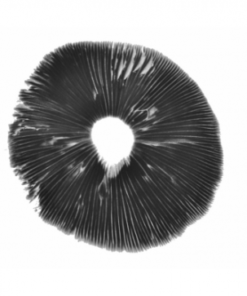
Spore Prints
Spore Prints
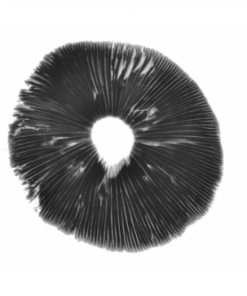
Spore Prints
Reviews
There are no reviews yet.