
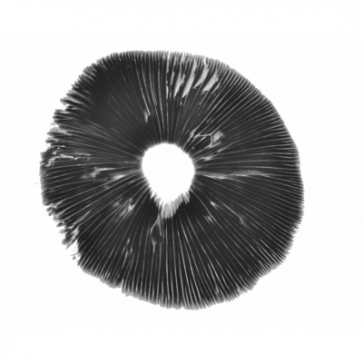
Mazatapec spore print
€22,50
The Mazatapec is one of the oldest and most spiritually significant Psilocybe cubensis strains, originating from the Mazatec highlands of Oaxaca, Mexico.
It produces elegant, slender fruiting bodies with warm golden-brown to cinnamon caps and a characteristically slow, deliberate growth pattern.
Collectors treasure the Mazatapec for its deep connection to the sacred mushroom traditions of the Mazatec people and curandera María Sabina.
Mazatapec spore print — A Strain Shaped by Deep Cultural Heritage
Mazatapec is among the most culturally distinctive varieties associated with Psilocybe cubensis. Named after the Mazatec people of Mexico’s Sierra Mazateca in Oaxaca, the variety is closely connected with the region’s long history of traditional mushroom practices.
Alongside its recognisable appearance, Mazatapec is known for its measured development and strong historical identity, making it an intriguing choice for collectors and microscopy enthusiasts.
From the Sierra Mazateca of Oaxaca
The Mazatapec name is linked to the mountainous region of Oaxaca, Mexico, traditionally inhabited by the Mazatec people. For generations, certain psilocybin-containing mushrooms have played a role in ceremonial and spiritual practices within the region.
These nocturnal ceremonies, commonly referred to as veladas, were traditionally led by experienced healers who regarded the mushrooms as sacred tools associated with healing, reflection and spiritual communication.
The work of María Sabina brought international attention to these traditions during the 1950s. Her encounter with ethnomycologist R. Gordon Wasson became an important moment in the history of Western awareness of psilocybin mushrooms. Against this broader historical background, Mazatapec has become one of the names most strongly associated with the Mexican origins of modern cubensis culture.
Distinctive Appearance of Mazatapec
Mazatapec has a relatively elegant and understated appearance compared with some of the more robust-looking cubensis varieties.
- Cap: Medium-sized, generally golden-brown to cinnamon in colour, with pigmentation becoming lighter towards maturity. The caps are typically convex and may retain a partially closed appearance when mature.
- Stem: Tall and relatively slender, ranging from white to creamy off-white, with the characteristic blue bruising associated with many Psilocybe species.
- Overall profile: Graceful, upright fruiting bodies with warm earthy colours and a comparatively delicate silhouette.
A More Measured Character
Mazatapec is often described within collector communities as having a slower, more deliberate development compared with some faster-growing cubensis varieties. Rather than being known primarily for speed, its appeal lies in its recognisable morphology and historical character.
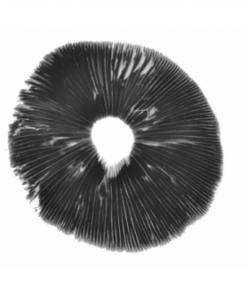
Another notable feature is its tendency to produce dark purple-brown spore deposits. The partially closed cap form sometimes observed in mature specimens is particularly distinctive and can make Mazatapec an interesting subject for comparative microscopy and morphological study.
As with descriptions of individual cubensis varieties, characteristics can vary between specimens, cultures and environmental conditions. Community descriptions should therefore be regarded as general observations rather than guaranteed traits.
How to Use a Spore Print
If you are new to working with spore prints, a dedicated guide can explain the general process of handling, examining and storing a print for microscopy or collection purposes.
Why Add Mazatapec to Your Collection?
For collectors interested in the history and cultural background of Psilocybe varieties, Mazatapec offers considerably more than a distinctive appearance. Its name connects it with the Sierra Mazateca, one of the regions most closely associated with traditional mushroom practices and the emergence of Western interest in psilocybin fungi.
Its warm-toned caps, slender profile and characteristic mature morphology give it a recognisable visual identity, while its connection to the history surrounding María Sabina and traditional Mazatec practices adds an important cultural dimension.
Mazatapec is therefore a particularly interesting addition to a microscopy or spore collection — a variety where morphology, provenance and cultural history come together.
Be the first to review “Mazatapec spore print”
Related products
Spore Prints
Spore Prints
Spore Prints
Spore Prints
Spore Prints
Spore Prints
Spore Prints
Spore Prints
Reviews
There are no reviews yet.