
Ecuador Psilocybe cubensis — Highland Genetics from the Andes
A landrace shaped by the Ecuadorian highlands
Ecuador is a well-known Psilocybe cubensis landrace associated with the high-altitude grasslands of the Ecuadorian Andes. The variety is traditionally linked to pastures in the Andean highlands at elevations exceeding 1,000 metres above sea level, giving it a distinctive geographical identity within the wider P. cubensis family.
Ecuador has been part of the international mushroom community for decades. Its genetics appeared in early mycological literature and circulated widely among spore collectors during the latter part of the 20th century. More recent scientific documentation of P. cubensis from Ecuador’s highland regions has added further interest to this historically recognised landrace.
Its long-standing presence in cultivation and collecting circles has made Ecuador a particularly familiar name among enthusiasts interested in geographical Psilocybe varieties.
A bold and distinctive appearance
Ecuador is known for producing substantial fruit bodies with broad, rounded caps. Colouration commonly ranges from warm caramel through to deeper golden-brown shades, sometimes accompanied by subtle cinnamon or reddish tones.
The stems are typically pale, robust and elongated, contributing to the variety’s characteristic appearance. Mature specimens can display noticeably wavy cap margins, another feature frequently associated with Ecuadorian material.
Blue bruising can occur after handling, while mature specimens generally produce the characteristic dark purple-brown spore print associated with P. cubensis.
A balanced reputation among enthusiasts
Within mushroom communities, Ecuador is often described as having a balanced and grounded character, with anecdotal reports mentioning clear visual effects and a warm physical sensation.
Such descriptions are based primarily on personal reports rather than controlled scientific comparisons. Individual experiences can vary considerably, and factors such as dosage, individual physiology and environmental circumstances can influence subjective effects.
For collectors, Ecuador’s appeal is therefore better understood through its history, geographical origin and distinctive morphology rather than claims of guaranteed effects or potency.
Ecuador at a glance
| Characteristic | Ecuador |
|---|---|
| Species | Psilocybe cubensis |
| Associated origin | Ecuadorian Andes |
| Habitat | Highland grasslands and pastures |
| Historical significance | Long-established Ecuadorian landrace |
| Cap colour | Caramel to deep golden-brown |
| Cap characteristics | Broad, rounded profile; sometimes wavy at maturity |
| Stem appearance | Pale, elongated and robust |
| Bruising | Characteristic blue bruising |
| Spore print | Dark purple-brown |
| Notable feature | Distinctive highland geographical heritage |
About Psilocybe cubensis spore vials
Psilocybe cubensis is among the most widely recognised species within the genus and includes numerous named and geographical varieties.
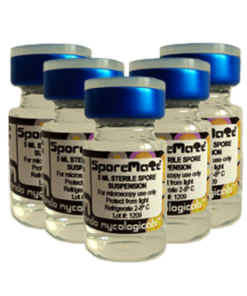
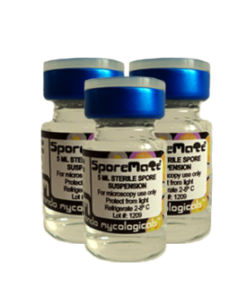
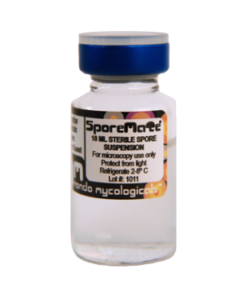
Each vial in the collection contains a single, individually identified P. cubensis spore specimen suspended in a preservation medium. This format makes it convenient for enthusiasts to keep different varieties separated and clearly labelled.
Because individual specimens and varieties can differ, always refer to the specific product page for the most current information about the selected vial.
| Product characteristic | Specification |
|---|---|
| Species | Psilocybe cubensis |
| Vial volume | 10 ml |
| Format | Single-variety spore specimen |
| Container | Glass vial |
| Identification | Individually labelled |
| Typical spore print | Dark purple-brown |
| Storage | Follow the supplier’s instructions |
| Intended context | Mycological and educational use where legally permitted |
Package contents
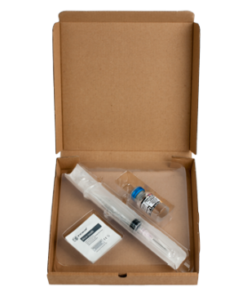
A standard spore-vial package may contain:
- 1 × 10 ml glass vial containing a spore specimen
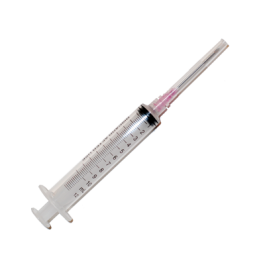
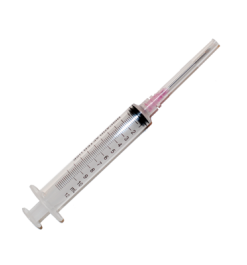
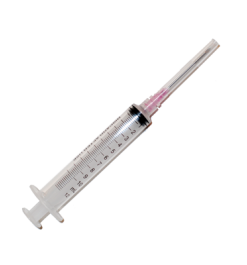
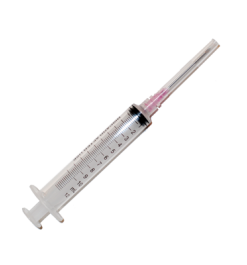
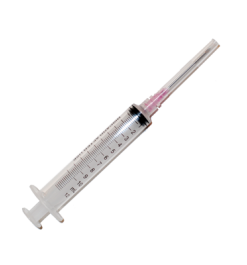
- 1 × sterile 10 ml syringe, where supplied
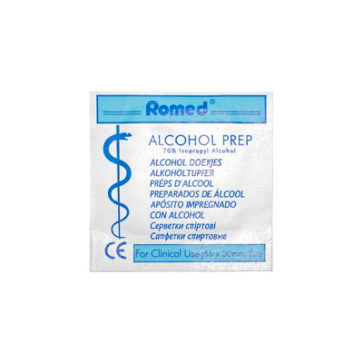
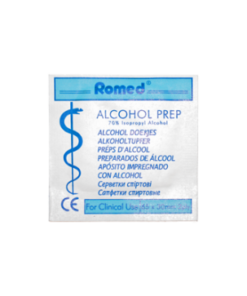
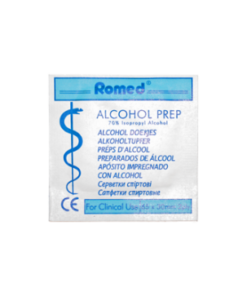
- 2 × alcohol preparation pads, where included
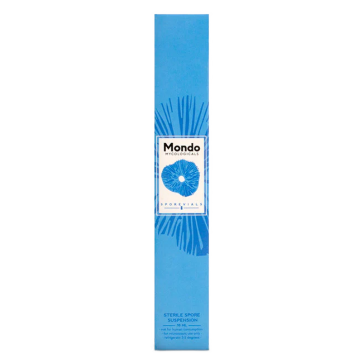
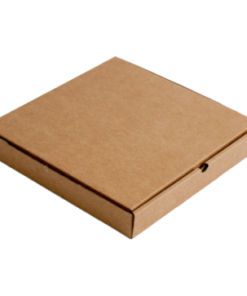
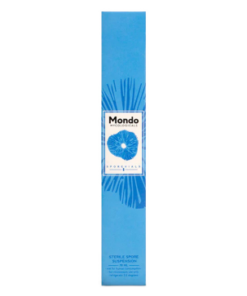
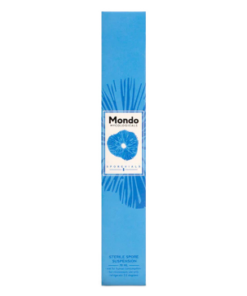
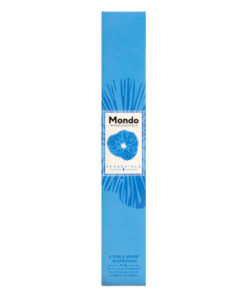
- Protective carton packaging
Exact package contents may vary. Please consult the current product listing for the definitive specification.
Why choose a spore vial?
Compact and practical
A glass vial provides a convenient format for storing and organising individual spore specimens.
Clearly labelled
Each variety is separately identified, helping collectors maintain an organised selection of different P. cubensis specimens.
Explore geographical diversity
Ecuador is particularly interesting for enthusiasts who enjoy exploring geographical landraces and the diversity found within P. cubensis.
Established heritage
The Ecuador variety has been recognised within mushroom communities for decades, giving it a strong place in the history of P. cubensis collecting.
Collector-friendly
The compact vial format makes it easy to maintain multiple labelled specimens as part of a wider mycological collection.
Storage and handling
Keep the vial securely sealed and follow the storage conditions specified by the supplier. Protect the specimen from excessive heat, direct sunlight and other unsuitable environmental conditions.
Do not freeze unless freezing is specifically recommended by the manufacturer. Retain the original label and packaging to ensure the specimen remains correctly identified.
If the vial becomes damaged or its contents develop unexpected changes, discontinue use and contact the supplier for advice.
Legal information
Psilocybe spores themselves do not contain psilocybin or psilocin. However, regulations concerning Psilocybe spores differ considerably across Europe.
Individual jurisdictions may have separate rules concerning the sale, importation, possession, germination, cultivation and possession of mature mushrooms. Laws can also change over time.
Always check the current legislation applicable in your country before purchasing, importing, possessing or using a Psilocybe spore specimen.
This information is provided for general educational purposes and does not constitute legal advice.
Be the first to review “Ecuador — Spore Vial 10ml”
Related products
Spore Vials
Spore Vials
Spore Vials
Spore Vials
Spore Vials
Spore Vials
Spore Vials
Spore Vials
Reviews
There are no reviews yet.